Product
Supplier
Encyclopedia
Inquiry
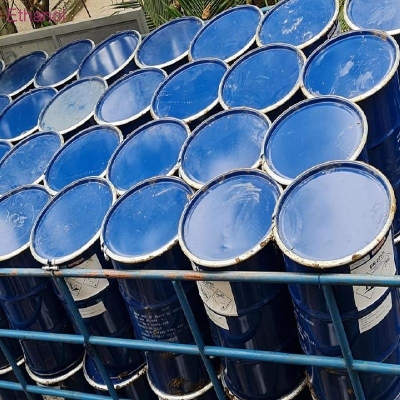
Ethyl cyanoacetate105-56-6C5H7NO2 buy - large image1
Ethyl cyanoacetate105-56-6C5H7NO2 buy - image1
Ethyl cyanoacetate105-56-6C5H7NO2 buy - image2
Ethyl cyanoacetate105-56-6C5H7NO2 buy - image3
Ethyl cyanoacetate105-56-6C5H7NO2 buy - image4
Ethyl cyanoacetate105-56-6C5H7NO2 buy - image5
Ethyl cyanoacetate105-56-6C5H7NO2 buy - image6

Ethyl cyanoacetate105-56-6C5H7NO2

1 Inquiries

Unit Price:

$33-34/MT FOB

Get Latest Price
CAS No.:

105-56-6

Grade:

Industrial Grade

Content:

99.5%

Port:

上海

Brand:

OORENT

Packaging:

Vial/Bottle/Bag/Carton

Price valid (until):

2026-07-17

Company Type:
Trader
Location:
China
Qualification:
Main Products:

pharmaceutical intermediates,peptides,electronic chemicals

  • Product Description

  • Seller Information

  • Inquiry History

  • Description

    Product Detail

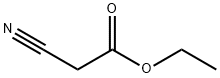
    Ethyl cyanoacetate Basic information
    Product Name: Ethyl cyanoacetate
    Synonyms: 2-cyano-aceticacidethylester;Acetic acid,2-cyano-, ethyl ester;Aceticacid,cyano-,ethylester;Cyanacetate ethyle;cyanacetateethyle;ethylcyanacetate;Ethylcyanoacetat;Ethylester kyseliny kyanoctove
    CAS: 105-56-6
    MF: C5H7NO2
    MW: 113.11
    EINECS: 203-309-0
    Product Categories: C2 to C5;Carbonyl Compounds;Esters;Alpha Sort;Chemical Class;E;Pharmaceutical Intermediates;E-LAlphabetic;EQ - EZAnalytical Standards;EstersAnalytical Standards;Nitriles;Volatiles/ Semivolatiles;organic chemical;Halogenated Heterocycles;1
    Mol File: 105-56-6.mol
    Shop Ethyl cyanoacetate105-56-6C5H7NO2-Detailed Image 1

    Ethyl cyanoacetate Chemical Properties
    Melting point  -22 °C (lit.)
    Boiling point  208-210 °C (lit.)
    density  1.063 g/mL at 25 °C (lit.)
    vapor density  3.9 (vs air)
    vapor pressure  1 mm Hg ( 67.8 °C)
    refractive index  n20/D 1.418(lit.)
    Fp  >230 °F
    storage temp.  Store below +30°C.
    solubility  20g/l
    pka 3.19±0.10(Predicted)
    form  Liquid
    color  Clear
    Water Solubility  20 g/L (20 ºC)
    Merck  14,3786
    BRN  605871
    Henry's Law Constant 3.4×101 mol/(m3Pa) at 25℃, Duchowicz et al. (2020)
    Dielectric constant 26.9(20℃)
    InChI 1S/C5H7NO2/c1-2-8-5(7)3-4-6/h2-3H2,1H3
    InChIKey ZIUSEGSNTOUIPT-UHFFFAOYSA-N
    SMILES CCOC(=O)CC#N
    LogP -0.119-1.05 at 23-25℃ and pH6.1
    Surface tension 70.2mN/m at 1.034g/L and 23℃
    CAS DataBase Reference 105-56-6(CAS DataBase Reference)
    NIST Chemistry Reference Acetic acid, cyano-, ethyl ester(105-56-6)
    EPA Substance Registry System Ethyl cyanoacetate (105-56-6)

    Safety Information
    Hazard Codes  Xn,Xi
    Risk Statements  20/21/22-36/38
    Safety Statements  36/37-37/39-26
    RIDADR  3276
    WGK Germany  1
    RTECS  AG4110000
    10
    Autoignition Temperature 460 °C
    TSCA  TSCA listed
    HS Code  2926 90 70
    Storage Class 10 - Combustible liquids
    Hazard Classifications Eye Irrit. 2
    Hazardous Substances Data 105-56-6(Hazardous Substances Data)
    Toxicity LD50 orally in Rabbit: > 2000 mg/kg
    MSDS Information
    Provider Language
    Ethyl 2-cyanoacetate English
    SigmaAldrich English
    ACROS English
    ALFA English

    Ethyl cyanoacetate Usage And Synthesis
    Description Ethyl cyanoacetate is the ethyl ester of cyanoacetic acid. Ethyl cyanoacetate hydrolizes rapidly under neutral and alkaline conditions to cyanoacetic acid and ethanol (and so it does under most physiological and environmental conditions), while in acid pH the half life is considerably longer.
    Knoevenagel condensation of ethyl cyanoacetate with aldehyde is reported. Microwave enhanced Knoevenegal condensation reaction of ethyl cyanoacetate with an aldehyde, P2O5, piperidine and chlorobenzene is reported.
    Chemical Properties Ethyl cyanoacetate is a colorless to straw colored liquid with a mild pleasant odor
    Uses Ethyl cyanoacetate may be used in the synthesis of ethyl glyoxylate. It was used to investigate the Knoevenagel condensation reactions in microreactor using zeolite catalysts obtained by grafting amino groups onto NaX and CsNaX zeolites.
    Uses Reagent used in labelled pyrimidine and purine synthesis. Ethyl cyanoacetate is an ester. It may be used in the synthesis of ethyl glyoxylate.It was used to investigate the Knoevenagel condensation reactions in microreactor using zeolite catalysts obtained by grafting amino groups onto NaX and CsNaX zeolites.
    Preparation Ethyl cyanoacetate can be prepared by the action of sodium or potassium cyanide on ethyl chloroacetate, and by the action of sodium cyanide on sodium chloroacetate, followed by esterification.
    General Description A colorless liquid. Denser than water. Contact may irritate skin, eyes and mucous membranes. Flash point 210°F. May be toxic by ingestion. Used to make other chemicals.
    Air & Water Reactions Slightly soluble in water.
    Reactivity Profile Ethyl cyanoacetate is both a nitrile and an ester. Esters react with acids to liberate heat along with alcohols and acids. Strong oxidizing acids may cause a vigorous reaction that is sufficiently exothermic to ignite the reaction products. Heat is also generated by the interaction of esters with caustic solutions. Flammable hydrogen is generated by mixing esters with alkali metals and hydrides. Nitriles may polymerize in the presence of metals and some metal compounds. They are incompatible with acids; mixing nitriles with strong oxidizing acids can lead to extremely violent reactions. Nitriles are generally incompatible with other oxidizing agents such as peroxides and epoxides. The combination of bases and nitriles can produce hydrogen cyanide. Nitriles are hydrolyzed in both aqueous acid and base to give carboxylic acids (or salts of carboxylic acids). These reactions generate heat. Peroxides convert nitriles to amides. Nitriles can react vigorously with reducing agents. Acetonitrile and propionitrile are soluble in water, but nitriles higher than propionitrile have low aqueous solubility. They are also insoluble in aqueous acids.
    Hazard Toxic by ingestion and inhalation.
    Health Hazard TOXIC; inhalation, ingestion or contact (skin, eyes) with vapors, dusts or substance may cause severe injury, burns or death. Contact with molten substance may cause severe burns to skin and eyes. Reaction with water or moist air will release toxic, corrosive or flammable gases. Reaction with water may generate much heat that will increase the concentration of fumes in the air. Fire will produce irritating, corrosive and/or toxic gases. Runoff from fire control or dilution water may be corrosive and/or toxic and cause pollution.
    Fire Hazard Combustible material: may burn but does not ignite readily. Substance will react with water (some violently) releasing flammable, toxic or corrosive gases and runoff. When heated, vapors may form explosive mixtures with air: indoors, outdoors and sewers explosion hazards. Most vapors are heavier than air. They will spread along ground and collect in low or confined areas (sewers, basements, tanks). Vapors may travel to source of ignition and flash back. Contact with metals may evolve flammable hydrogen gas. Containers may explode when heated or if contaminated with water.
    Safety Profile oison by ingestion. Moderately toxic by intraperitoneal and subcutaneous routes. Combustible when exposed to heat or flame; can react with oxidzing materials. Wdl react with water or steam to produce toxic and flammable vapors. To fight fire, use CO2, dry chemical. When heated to decomposition or on contact with acid or acid fumes it emits highly toxic fumes of CN-. See also NITRILES.
    Potential Exposure A nitrile used to manufacture dyes, pharmaceuticals, and other chemicals.
    First aid If this chemical gets into the eyes, remove anycontact lenses at once and irrigate immediately for at least15 min, occasionally lifting upper and lower lids. Seek medical attention immediately. If this chemical contacts theskin, remove contaminated clothing and wash immediatelywith soap and water. Seek medical attention immediately. Ifthis chemical has been inhaled, remove from exposure,begin rescue breathing (using universal precautions, including resuscitation mask) if breathing has stopped and CPR ifheart action has stopped. Transfer promptly to a medicalfacility. When this chemical has been swallowed, get medical attention. Give large quantities of water and inducevomiting. Do not make an unconscious person vomit
    storage re poison location. Prior to working with thischemical you should be trained on its proper handling andstorage. Store in tightly closed containers in a cool, wellventilated area away from oxidizers, strong bases, strongacids, reducing agents, moisture, and sources of ignition.Where possible, automatically pump liquid from drums orother storage containers to process containers
    Shipping UN3276 Nitriles, liquid, toxic, n.o.s., Hazard Class: 6.1; Labels: 6.1-Poisonous materials, Technical Name Required, Potential Inhalation Hazard (Special Provision 5).
    Purification Methods Shake the ester several times with aqueous 10% Na2CO3, wash it well with water, dry with Na2SO4 and fractionally distil it. [Beilstein 2 IV 1889.]
    Incompatibilities Incompatible with oxidizers (chlorates, nitrates, peroxides, permanganates, perchlorates, chlorine, bromine, fluorine, etc.); contact may cause fires or explosions. Keep away from alkaline materials, strong bases, strong acids, oxoacids, epoxides, and reducing agents. Nitriles may polymerize in the presence of metals and some metal compounds. They are incompatible with acids; mixing nitriles with strong oxidizing acids can lead to extremely violent reactions. Nitriles are generally incompatible with other oxidizing agents such as peroxides and epoxides. The combination of bases and nitriles can produce hydrogen cyanide. Nitriles are hydrolyzed in both aqueous acid and base to give carboxylic acids (or salts of carboxylic acids). These reactions generate heat. Peroxides convert nitriles to amides. Nitriles can react vigorously with reducing agents. Acetonitrile and propionitrile are soluble in water, but nitriles higher than propionitrile have low aqueous solubility. They are also insoluble in aqueous acids. Reacts with moisture, water, and steam, forming toxic fumes.
    Toxics Screening Level The ITSL for ethyl cyanoacetate has been changed from 0.04 μg/m3 to 0.1 μg/m3 based on an annual averaging time.
    Waste Disposal Consult with environmental regulatory agencies for guidance on acceptable disposal practices. Generators of waste containing this contaminant (≥100 kg/mo) must conform with EPA regulations governing storage, transportation, treatment, and waste disposal.
    References [1] Wohlfarth, C. “Viscosity of ethyl cyanoacetate.” 1900. 0.、
    [2] A. C. Cope, E. M. Hancock. “Ethyl (1‐Ethylpropylidene)cyanoacetate.” Organic Syntheses 38 1 (2003): 46–46.
    [3] Ismailov, V.M. et al. “SYNTHESIS BASED ON ETHYL CYANOACETATE.” Kimya problemlri 86 1 (2023): 0.
    [4] T.R. Kasturi, A. Srinivasan. “A revised structure for the condensation product of 2-carbethoxycyclopentanone and ethyl cyanoacetate.” Tetrahedron 22 8 (1966): Pages 2575-2580.
    [5] Akram Ranjbar Derranji, Mohammad Anary-Abbasinejad. “An efficient synthesis of 4,5-disubstituted 1,2,3-triazoles by three-component reaction between sodium azide, ethyl cyanoacetate or malonitrile and arylglyoxals.” Synthetic Communications 54 6 (2024): Pages 471-477.

    Ethyl cyanoacetate Preparation Products And Raw materials
    Raw materials Ethanol-->Hydrochloric acid-->Sulfuric acid-->Sodium cyanide-->Chloroacetic acid-->Ethyl chloroacetate-->Sodium chloroacetate-->Cyanoacetic acid
    Preparation Products Ethyl 4-amino-2-(ethylthio)-5-pyrimidinecarboxylate-->2-AMINO-5-ISOPROPYL-THIOPHENE-3-CARBOXYLIC ACID ETHYL ESTER-->2-AMINO-4-ETHYL-5-METHYL-THIOPHENE-3-CARBOXYLIC ACID ETHYL ESTER-->Dacarbazine-->Triamterene-->2-AMINO-4,6-DIMETHYL-3-PYRIDINECARBOXAMIDE-->Allopurinol-->5-AMINO-4-CYANO-3-METHYL-THIOPHENE-2-CARBOXYLIC ACID ETHYL ESTER-->6-AMINO-2-MERCAPTO-PYRIMIDIN-4-OL-->3-AMINO-2,2-DIMETHYL-1-PROPANOL-->ETHYL 2-AMINO-4,5-DIMETHYLTHIOPHENE-3-CARBOXYLATE-->1-Cyclohexyl-1,2,3,4-tetrahydro-2,4-dioxopyrimidine-5-carbonitrile ,97%-->6-AMINO-3-METHYLURACIL-->2-AMINO-6-METHYL-4,5,6,7-TETRAHYDRO-BENZO[B]THIOPHENE-3-CARBOXYLIC ACID ETHYL ESTER-->1,2,3,5-TETRAHYDRO-8-THIA-5,7-DIAZA-CYCLOPENTA[A]INDENE-4-ONE-->5,6-Diamino-1-methyluracil-->6-AMINO-2-METHYLTHIO-3-METHYLURACIL-->5-CYANO-6-HYDROXY-4-METHOXYMETHYL-2-METHYLPYRIDINE-->GUANINE SULFATE-->6-AMINO-1-METHYL-5-NITROSOURACIL-->6-CHLORO-5-CYANO-4-METHOXYMETHYL-3-NITRO-2-PICOLINE-->Ethyl α-cyanoacrylate instantaneous adhesive-->2-CHLORO-4-METHYLQUINOLINE-3-CARBONITRILE-->ETHYL 2-AMINO-4,5,6,7-TETRAHYDROBENZO[B]THIOPHENE-3-CARBOXYLATE-->6-Amino-1-methyluracil-->2-Amino-4-trifluoromethylbenzonitrile-->ETHYL 5-AMINO-1-PYRIDIN-2-YL-1H-PYRAZOLE-4-CARBOXYLATE-->2-AMINO-5,6-DIHYDRO-4H-CYCLOPENTA[B]THIOPHENE-3-CARBOXYLIC ACID ETHYL ESTER-->2-(4,6-diamino-1,3,5-triazin-2-yl)acetic acid-->5-AMINO-3-METHYL-1H-PYRAZOLE-4-CARBOXYLIC ACID ETHYL ESTER-->1-ETHYL-1-METHYLSUCCINIC ACID-->6-Aminouracil-->Disperse Yellow S-3GL-->Amiloride hydrochloride-->ETHYL 2-CYANO-3-METHYL-2-PENTENOATE-->ETHYL(Z)-2-CYANO-3-ETHOXY-2-PROPENOATE-->4-Amino-6-hydroxy-2-mercaptopyrimidine monohydrate

    Shop 3-Chloro-1-propene107-05-1-Detailed Image 2 Shop 3-Chloro-1-propene107-05-1-Detailed Image 3 Shop 3-Chloro-1-propene107-05-1-Detailed Image 4 Shop 3-Chloro-1-propene107-05-1-Detailed Image 5 Shop 3-Chloro-1-propene107-05-1-Detailed Image 6 Shop 3-Chloro-1-propene107-05-1-Detailed Image 7


    Basic Info
    Product Name:

    Ethyl cyanoacetate

    Other Name:

    Acetic acid,2-cyano-,ethyl ester;Acetic acid,cyano-,ethyl ester;Cyanoacetic acid ethyl ester;Cyanoacetic ester;Ethyl cyanoacetate;Ethyl cyanoethanoate;Malonic acid ethyl ester nitrile;Ethyl cyanacetate;Ethyl 2-cyanoacetate;Ethyl α-cyanoacetate;NSC 8844;(Ethoxycarbonyl)acetonitrile;3-Ethoxy-3-oxopropanenitrile;2-Cyanoacetic acid ethyl ester;1427280-50-9

    CAS No.:

    105-56-6

    Molecular Formula:

    C5H7NO2

    InChIKeys:

    InChIKey=ZIUSEGSNTOUIPT-UHFFFAOYSA-N

    Molecular Weight:

    113.11

    Exact Mass:

    113.11

    BRN:

    605871

    EC Number:

    203-309-0

    UNII:

    X9N006U0F8

    NSC Number:

    8844

    UN Number:

    3276|2666

    DSSTox ID:

    DTXSID9026718

    Color/Form:

    Colorless liquid|Colorless to pale straw-colored liquid

    HScode:

    2926 90 70

    Characteristics
    PSA:

    50.1

    XLogP3:

    0.06

    Appearance:

    Clear Liquid

    Density:

    1.0560 g/cm3 @ Temp: 25 °C

    Melting Point:

    -22 °C

    Boiling Point:

    206.0 °C @ Press: 760 Torr

    Flash Point:

    >230 °F

    Refractive Index:

    n 20/D 1.418(lit.)

    Water Solubility:

    H2O: 20 g/L (20 ºC)

    Storage Conditions:

    Store below +30°C.

    Vapor Pressure:

    1 mm Hg ( 67.8 °C)

    Vapor Density:

    3.9 (vs air)

    Toxicity:

    Oral-rat LDL0: 400 mg/kg

    Flammability characteristics:

    Open flame is flammable; emits toxic cyanide gas when exposed to heat or acid; emits toxic and flammable gas when exposed to water

    Odor:

    Slight, pleasant odor

    Henrys Law Constant:

    Henry's Law constant = 2.89X10⁻⁷ atm-cu m/mol at 25 °C (est)

    Experimental Properties:

    Specific gravity: 1.0560 at 25 °C/4 °C; 1.0306 at 50 °C/4 °C; 1.0110 at 70 °C/|Hydroxyl radical reaction rate constant = 1.72X10⁻¹² cu cm/molecule-sec at 25 °C (est)

    Air and Water Reactions:

    Slightly soluble in water.

    Reactive Group:

    Esters, Sulfate Esters, Phosphate Esters, Thiophosphate Esters, and Borate Esters

    Reactivity Profile:

    ETHYL CYANOACETATE is both a nitrile and an ester. Esters react with acids to liberate heat along with alcohols and acids. Strong oxidizing acids may cause a vigorous reaction that is sufficiently exothermic to ignite the reaction products. Heat is also generated by the interaction of esters with caustic solutions. Flammable hydrogen is generated by mixing esters with alkali metals and hydrides. Nitriles may polymerize in the presence of metals and some metal compounds. They are incompatible with acids; mixing nitriles with strong oxidizing acids can lead to extremely violent reactions. Nitriles are generally incompatible with other oxidizing agents such as peroxides and epoxides. The combination of bases and nitriles can produce hydrogen cyanide. Nitriles are hydrolyzed in both aqueous acid and base to give carboxylic acids (or salts of carboxylic acids). These reactions generate heat. Peroxides convert nitriles to amides. Nitriles can react vigorously with reducing agents. Acetonitrile and propionitrile are soluble in water, but nitriles higher than propionitrile have low aqueous solubility. They are also insoluble in aqueous acids.

    Hazard Identification

    Classification of the substance or mixture

    Acute toxicity - Category 4, Oral

    Acute toxicity - Category 4, Dermal

    Acute toxicity - Category 4, Inhalation

    GHS label elements, including precautionary statements

    Pictogram(s)

    Signal word

    Warning

    Hazard statement(s)

    H302 Harmful if swallowed

    H312 Harmful in contact with skin

    H332 Harmful if inhaled

    Precautionary statement(s)
    Prevention

    P264 Wash ... thoroughly after handling.

    P270 Do not eat, drink or smoke when using this product.

    P280 Wear protective gloves/protective clothing/eye protection/face protection/hearing protection/...

    P261 Avoid breathing dust/fume/gas/mist/vapours/spray.

    P271 Use only outdoors or in a well-ventilated area.

    Response

    P301+P317 IF SWALLOWED: Get medical help.

    P330 Rinse mouth.

    P302+P352 IF ON SKIN: Wash with plenty of water/...

    P317 Get medical help.

    P321 Specific treatment (see ... on this label).

    P362+P364 Take off contaminated clothing and wash it before reuse.

    P304+P340 IF INHALED: Remove person to fresh air and keep comfortable for breathing.

    Storage

    none

    Disposal

    P501 Dispose of contents/container to an appropriate treatment and disposal facility in accordance with applicable laws and regulations, and product characteristics at time of disposal.

    Other hazards which do not result in classification

    no data available

    Handling and Storage

    Precautions for safe handling

    Handling in a well ventilated place. Wear suitable protective clothing. Avoid contact with skin and eyes. Avoid formation of dust and aerosols. Use non-sparking tools. Prevent fire caused by electrostatic discharge steam.

    Conditions for safe storage, including any incompatibilities

    Store the container tightly closed in a dry, cool and well-ventilated place. Store apart from foodstuff containers or incompatible materials.

  • Seller Information
    Business Type:

    Trader

    Main Products:

    pharmaceutical intermediates,peptides,electronic chemicals

    Location:

    Room 102, 1st Floor, East Office Building, No. 45 Pengwan Road, Qianwan Bonded Port Area, Qingdao Zone, China (Shandong) Pilot Free Trade Zone

    Payment Terms:

    100% TT in advance

    Average lead Time:

    10

    Total Annual Revenue:

    $10 million-$25 million

    Total Employees:

    51-100

    Year of Establishment:

    2024

    A reliable supplier is like insurance.

    We are mainly specilized in supply of pharmaceutical intermediates, electronic chemicals,food additives, and other fine chemical products.
    Integrity is the foundation, quality is life. We would like to work together with you to build a greener and brighter future.

    Website: orientchem.cc
    Email: scarlett@orientchem.cc
    WhatsApp: +86 17753254221

  • Inquiry History
    1 Inquiries
    Country Product Purchase Quantity Date Posted
    India

    ethyl cyano acetate

    1000 KG Jan 7, 2026
    Post an enquiry for this product
pic ×

Scan the QR Code to Share

All products displayed on this website are only for non-medical purposes such as industrial applications or scientific research, and cannot be used for clinical diagnosis or treatment of humans or animals. They are not medicinal or edible.

According to relevant laws and regulations and the regulations of this website, units or individuals who purchase hazardous materials should obtain valid qualifications and qualification conditions.

The information shown above is provided by the enterprise itself, and the authenticity, accuracy and legitimacy of the content are the responsibility of the publishing company. ECHEMI does not bear any guarantee responsibility for this. Please be aware that risks in internet transactions objectively exist.

Feedback & Suggestions
Send Message

Thank you for your feedback. If you require further assistance, please contact us by email at info@echemi.com or call us at +86-532-55729510.