Product
Supplier
Encyclopedia
Inquiry
Home > Inorganic Chemistry > Inorganic Acid > Phosphoric acid for Sale > Phosphoric acid7664-38-2H3O4P
Phosphoric acid7664-38-2H3O4P buy - large image1
Phosphoric acid7664-38-2H3O4P buy - image1
Phosphoric acid7664-38-2H3O4P buy - image2
Phosphoric acid7664-38-2H3O4P buy - image3
Phosphoric acid7664-38-2H3O4P buy - image4
Phosphoric acid7664-38-2H3O4P buy - image5
Phosphoric acid7664-38-2H3O4P buy - image6

Phosphoric acid7664-38-2H3O4P

212 Inquiries

Unit Price:

$33-34/MT FOB

Get Latest Price
CAS No.:

7664-38-2

Grade:

Industrial Grade

Content:

99.5%

Port:

上海

Brand:

OORENT

Packaging:

Vial/Bottle/Bag/Carton

Price valid (until):

2026-07-18

Company Type:
Trader
Location:
China
Qualification:
Main Products:

pharmaceutical intermediates,peptides,electronic chemicals

  • Product Description

  • Seller Information

  • Inquiry History

  • Description

    Product Detail

    Phosphoric acid Basic information
    Product Name: Phosphoric acid
    Synonyms: phosphoricacidsolutions;Phosphorsaeureloesungen;Sonac;wc-reiniger;White phosphoric acid;whitephosphoricacid;phosphoric acid for technical;phosphoric acid,technical,highly purified
    CAS: 7664-38-2
    MF: H3O4P
    MW: 98
    EINECS: 231-633-2
    Product Categories: HPLC and LCMS Mobile Phase Additive;Food additives;INORGANIC & ORGANIC CHEMICALS;Inorganics;HPLC;inorganic acid;Alphabetical Listings;Flavors and Fragrances;O-P;HPLC Buffer;HPLC Buffers;HPLC Buffers - SolutionChromatography/CE Reagents;Organic Phosphonates;Pyridines;PAlphabetic;Analytical Standards;NMRStable Isotopes;P;PER - POLA;Spectroscopy;Solution;7664-38-2;1
    Mol File: 7664-38-2.mol
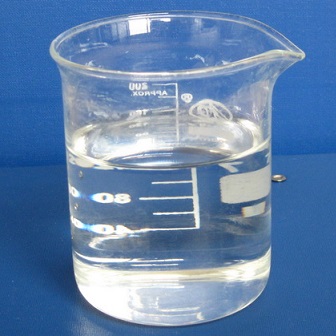
    Shop Phosphoric acid7664-38-2H3O4P-Detailed Image 1

    Phosphoric acid Chemical Properties
    Melting point  ~40 °C(lit.)
    Boiling point  158 °C(lit.)
    density  1.685 g/mL at 25 °C(lit.)
    vapor density  3.4 (vs air)
    vapor pressure  2.2 mm Hg ( 20 °C)
    refractive index  n20/D 1.433
    FEMA  2900 | PHOSPHORIC ACID
    storage temp.  no restrictions.
    solubility  H2O: soluble
    pka 2.1-7.2-12.3(at 25℃)
    form  Solid or Viscous Liquid
    color  ≤10(APHA)
    Specific Gravity 1.7
    Odor Odorless
    PH 3.06(1 mM solution);2.26(10 mM solution);1.63(100 mM solution);
    PH Range 1.5
    biological source synthetic
    Water Solubility  MISCIBLE
    λmax λ: 260 nm Amax: ≤0.05
    λ: 280 nm Amax: ≤0.04
    Merck  14,7344
    BRN  1921286
    Exposure limits ACGIH:TLV-TWA 1 mg/m3; TLV-STEL 3 mg/m3
    OSHA:PEL-TWA 1 mg/m3
    NIOSH:REL-TWA 1 mg/m3; REL-STEL 3 mg/m3
    Dielectric constant 61.0
    Major Application battery manufacturing
    Cosmetics Ingredients Functions BUFFERING
    InChI 1S/H3O4P/c1-5(2,3)4/h(H3,1,2,3,4)
    InChIKey NBIIXXVUZAFLBC-UHFFFAOYSA-N
    SMILES OP(O)(O)=O
    LogP -2.15
    CAS DataBase Reference 7664-38-2(CAS DataBase Reference)
    NIST Chemistry Reference Phosphoric acid(7664-38-2)
    EPA Substance Registry System Phosphoric acid (7664-38-2)

    Safety Information
    Hazard Codes  C,Xn,T,F
    Risk Statements  34-35-22-39/23/24/25-36/38-23/24/25-11
    Safety Statements  7-16-26-36/37-45-36/37/39-1/2-24/25
    RIDADR  UN 1805 8/PG III (PHOSPHORIC ACID, SOLUTION)
    RIDADR  UN 3453 8/PG III (PHOSPHORIC ACID, SOLID)
    OEB C
    OEL TWA: 1 mg/m3, STEL: 3 mg/m3
    WGK Germany  3
    RTECS  TB6300000
    3-10
    TSCA  TSCA listed
    HS Code  2809 20 00
    HazardClass  8
    PackingGroup  III
    Storage Class 8A - Combustible corrosive hazardous materials
    Hazard Classifications Acute Tox. 4 Oral
    Eye Dam. 1
    Met. Corr. 1
    Skin Corr. 1B
    Hazardous Substances Data 7664-38-2(Hazardous Substances Data)
    Toxicity ADI 0 to 70 mg / kg (total phosphate content in terms of phosphorus, FAO / WHO, 2001).
    GRAS (FDA, § 182.1073, 2000).
    LD501530mg / kg (rat, oral).
    In case of daily intake of 2 ~ 4 g, it can cause mild diarrhea. The amount of sour agent used as a cola drink is 0.02% to 0.06%.
    IDLH 1,000 mg/m3
    MSDS Information
    Provider Language
    Phosphorous acid English
    SigmaAldrich English
    ACROS English
    ALFA English

    Phosphoric acid Usage And Synthesis
    Description Phosphoric acid was prepared first by Robert Boyle in 1694 by dissolving phosphorus pentoxide in water. Phosphoric acid is probably the most important compound of phosphorus. It is the second largest inorganic chemical by volume, after sulfuric acid, marketed in the United States.
    The single most important application of Phosphoric acid is manufacturing phosphate salts for fertilizers. Such fertilizer phosphates include sodium, calcium, ammonium, and potassium phosphates. Other applications are in metal pickling and surface treatment for removal of metal oxides from metal surfaces; electropolishing of aluminum; as a bonding agent in various refractory products such as alumina and magnesia; as a catalyst in making nylon and gasoline; as a dehydrating agent; in fireproofing wood and fabrics; in lithographic engraving; in textile dyeing; in dental cement; in coagulating rubber latex; in purifying hydrogen peroxide; and as a laboratory reagent. Dilute solutions of phosphoric acid are used as additives to carbonated beverages for a pleasing sour taste. Also, dilute acid is used in refining sugar; as a nutrient; and as a buffering agent in preparing jam, jelly, and antibiotics. The commercial phosphoric acid is 85% (w/w) in strength.
    Chemical Properties Phosphoric acid is a colorless, odorless, crystalline solid or a thick syrupy liquid. Physical state is strength and temperature dependent.
    Concentrated phosphoric acid occurs as a colorless, odorless, syrupy liquid. It has a pleasing acid taste when suitably diluted.
    Pure phosphoric acid, also called orthophosphoric acid, is a clear, colorless, mineral acid with moderate strength. It is normally marketed as an aqueous solution of 75–85% in which it exists as a clear, viscous liquid.
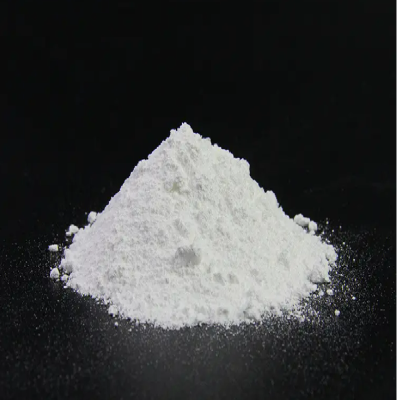
    Shop Phosphoric acid7664-38-2H3O4P-Detailed Image 2
    Food-grade phosphoric acid is used to acidify foods and beverages. It provides a tangy or sour taste and, being a mass-produced chemical, is available cheaply and in large quantities. Phosphoric acid, used in many soft drinks, has been linked to lower bone density in epidemiological studies. In brief, phosphoric acid is a strong acid and common industrial chemical used in the manufacture of a wide number of products, notably porcelain and metal cleaners, detergents, and fertilisers. It is also used as a food additive and is a major constituent of many soft drinks. Low phosphate concentrations are found in drinking water to which it is added in some areas in order to reduce lead solubility.
    Physical properties Chemists refer to orthophosphoric acid as phosphoric acid, which is the IUPAC name for this compound. The prefix “ortho” is used to distinguish the acid from other phosphoric acids, which are generally called polyphosphoric acids. Orthophosphoric acid is a nontoxic, rather weak triprotic acid. When pure, it is a solid at STP. Orthophosphoric acid is a very polar molecule which makes it highly soluble in water. The valence state of phosphorous in orthophosphoric acid and other phosphoric acids is +5. Triprotic means that the orthophosphoric acid molecule can dissociate up to three times, producing a hydrogen cation, H+, each time.
    Electrical Conductivity 
    Concentration 0.50% 1% 2% 5% 10% 15% 20% 25% 30%
    mS/cm 14 21.8 35.3 65.6 88.4 118 146 173 209
    Occurrence Phosphoric acid is a natural constituent of many fruits and their juices.
    History Phosphoric acid was produced but not identified by alchemists in ancient times. It derives its name from the element phosphorus, which was discovered in 1669 by Henning Brand (1630 1710).Scheele subsequently isolated phosphorus from bone ash and produced phosphoric acid by reacting phosphorus and nitric acid. Scheele's method replaced bone as the main source of phosphorus rather than urine.
    John Bennett Lawes (1814 1900) patented a process in 1841 of making superphosphate from bones and later extended his process to phosphates obtained from rock. Superphosphates are made by treating Ca3(PO4)2 with sulfuric acid to make more soluble calcium hydrogen phosphates: Ca3(PO4)2 + 2H2SO4 Ca(H2PO4)2 + 2CaSO4. In this reaction Ca(H2PO4)2 is monobasic calcium phosphate, which is also called superphosphate. Calcium hydrogen phosphates (superphosphates) are more water soluble and therefore more readily available to plants.
    Uses Phosphoric acid is second only to sulfuric acid as an industrial acid and consistently ranksin the top 10 chemicals used globally.States, but it is used in a number of other applications. Phosphateswere used as builders and water softeners. A builder is a substance added to soaps or detergentsto increase their cleansing power.
    Phosphoric acid is used as an intermediate in the production of animal feed supplements,water treatment chemicals, metal surface treatments, etching agent, and personal care productssuch as toothpaste. It is used as a catalyst in the petroleum and polymer industry. Phosphoricacid is used in food as a preservative, an acidulant, and flavor enhancer; it acidifies carbonateddrinks such as Coca Cola and Pepsi, giving them a tangy flavor. Phosphoric acid is used as arust remover and metal cleaner. Naval Jelly is approximately 25% phosphoric acid. Other usesfor phosphoric acid include opacity control in glass production, textile dyeing, rubber latexcoagulation, and dental cements.
    Uses Phosphoric acid (H3PO4) is the most important oxoacid of phosphorus and its main use is in the manufacture of fertilisers.
    Within the human body, phosphate is the main phosphorus-containing compound. Phosphate is an inorganic compound and is the salt of phosphoric acid. It can form organic esters with a variety of compounds and these are important in many biochemical processes. Phosphate has the empirical formula PO4 3-. It is a tetrahedral molecule, where the central phosphorus atom is surrounded by four oxygen atoms.
    In biological systems, phosphate is often found either as the free ion (inorganic phosphate) or as an ester after reaction with organic compounds (often referred to as organic phosphates). Inorganic phosphate (mostly denoted as Pi) is a mixture of HPO4 2- and H2PO4 - at physiological pH.
    Uses In the manufacture of superphosphates for fertilizers, other phosphate salts, polyphosphates, detergents. Acid catalyst in making ethylene, purifying hydrogen peroxide. As acidulant and flavor, synergistic antioxidant and sequestrant in food. Pharmaceutic aid (solvent). In dental cements; process engraving; rustproofing of metals before painting; coagulating rubber latex; as analytical reagent.
    Uses Phosphoric Acid is an acidulant that is an inorganic acid produced by burning phosphorus in an excess of air, producing phosphorus pentoxide which is dissolved in water to form orthophosphoric acid of varying concentrations. it is a strong acid which is soluble in water. the acid salts are termed phosphates. it is used as a flavoring acid in cola and root beer beverages to provide desirable acidity and sourness. it is used as a synergistic antioxidant in vegetable shorten- ings. in yeast manufacture, it is used to maintain the acidic ph and provide a source for phosphorus. it also functions as an acidulant in cheese. it is also termed orthophosphoric acid.
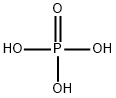
    Definition ChEBI: Phosphoric acid is a phosphorus oxoacid that consists of one oxo and three hydroxy groups joined covalently to a central phosphorus atom. It has a role as a solvent, a human metabolite, an algal metabolite and a fertilizer. It is a conjugate acid of a dihydrogenphosphate and a phosphate ion.
    Preparation Low-purity technical grade phosphoric acid for use in fertilizers is produced from phosphate rocks by digestion with concentrated sulfuric acid. The apatite types, primarily consisting of calcium phosphate phosphate rocks, are used: Ca3(PO4)2 + 3H2SO4 + 6H2O → 2H3PO4 + 3(CaSO4•2H2O)
    The insoluble calcium sulfate slurry is filtered out. Acid from this wet process is impure but can be purified by various methods. Purification steps involve precipitation, solvent extraction, crystallization, and ion exchange techniques.
    Phosphoric acid also can be made by many different methods. Dissolution of phosphorus pentoxide in water and boiling yields phosphoric acid. Pure phosphoric acid can be obtained by burning phosphorus in a mixture of air and steam:
    P4 (l) + 5O2 (g) →P4O10 (s)
    P4O10 (s) + H2O (g) → 4H3PO4 (l)
    The acid also may be prepared by heating violet phosphorus with 33% nitric acid:
    4P + 10HNO3 + H2O → 4H3PO4 + 5NO ↑ + 5NO2 ↑
    or by heating red phosphorus with nitric acid (1:1). The overall equation is:
    P + 3HNO3 → H3PO4 + NO + 2NO2
    Production Methods The majority of phosphoric acid is made by digesting phosphate rock (essentially tricalcium phosphate) with sulfuric acid; the phosphoric acid is then separated by slurry filtration. Purification is achieved via chemical precipitation, solvent extraction, crystallization, or ion exchange.
    Production Methods The major sources of H3PO4 traditionally have been mineral deposits of phosphate rock. Mining operations are extensive in a number of locations, including the United States (Florida), the Mediterranean area, and Russia, among others. The major constituent of most phosphate rocks is fluorapatite, 3Ca3(PO4)2·CaF2. The supply of high-grade phosphates, the raw material of choice for producing high-purity phosphoric acid by the wet process, is rapidly decreasing in some areas.
    Two major methods are utilized for the production of phosphoric acid from phosphate rock. The wet process involves the reaction of phosphate rock with sulfuric acid to produce phosphoric acid and insoluble calcium sulfates. Many of the impurities present in the phosphate rock are also solubilized and retained in the acid so produced. While they are of no serious disadvantage when the acid is to be used for fertilizer manufacture, their presence makes the product unsuitable for the preparation of phosphatic chemicals.
    In the other method, the furnace process, phosphate rock is combined with coke and silica and reduced at high temperature in an electric furnace, followed by condensation of elemental phosphorus. Phosphoric acid is produced by burning the elemental phosphorus with air and absorbing the P2O5 in water. The acid produced by this method is of high purity and suitable for nearly all uses with little or no further treatment.
    Brand name Pharmaceutic aid (solvent).
    General Description A clear colorless liquid or transparent crystalline solid. The pure solid melts at 42.35°C and has a density of 1.834 g / cm3. Liquid is usually an 85% aqueous solution. Shipped as both a solid and liquid. Corrosive to metals and tissue. Used in making fertilizers and detergents and in food processing.
    Air & Water Reactions Soluble in water with small release of heat.
    Reactivity Profile Phosphorous acid reacts exothermically with bases. May react with active metals, including such structural metals as aluminum and iron, to release hydrogen, a flammable gas. Can initiate the polymerization of certain classes of organic compounds. Reacts with cyanide compounds to release gaseous hydrogen cyanide. May generate flammable and/or toxic gases in contact with dithiocarbamates, isocyanates, mercaptans, nitrides, nitriles, sulfides, and strong reducing agents. Forms explosive mixture with nitromethane. Reacts violently with sodium tetrahydroborate. In the presence of chlorides can corrode stainless steel to form explosive hydrogen gas. Emits toxic and irritating fumes of oxides of phosphorus when heated to decomposition [Lewis, 3rd ed., 1993, p. 1029].
    Hazard Phosphoric acid is water soluble and absorbs oxygen readily, and the specific gravity is 1.89, which is heavier than water. It is toxic by ingestion and inhalation and an irritant to the skin and eyes, with a TLV of 1 mg/m3 of air. The four-digit UN identification number is 1805. The NFPA 704 designation is health 3, flammability 0, and reactivity 0. The primary use of phosphoric acid is in chemical analysis and as a reducing agent.
    Health Hazard Phosphoric acid is less corrosive and hazardous than is concentrated sulfuric or nitricacid. Its concentrated solutions are irritantsto the skin and mucous membranes. Thevapors (P2O5 fumes) can cause irritation tothe throat and coughing but could be tolerated at <10 mg/m3.The acute oral toxicity in rats is reported tobe low, the LD50 value being 1530 mg/kg(NIOSH 1986).
    Fire Hazard Non-combustible, substance itself does not burn but may decompose upon heating to produce corrosive and/or toxic fumes. Some are oxidizers and may ignite combustibles (wood, paper, oil, clothing, etc.). Contact with metals may evolve flammable hydrogen gas. Containers may explode when heated.
    Flammability and Explosibility Non flammable
    Agricultural Uses Phosphoric acid (H3PO4), also known as orthophosphoric acid, is the most significant source of phosphate fertilizers. Phosphoric acid based fertilizers mainly include ammonium phosphate, diammonium phosphate and monoammonium phosphate.
    Phosphoric acid is deliquescent and commercially the most important derivative of phosphorus, accounting for over 90% of the phosphate rock mined. The white rhombic solid is highly soluble in water and ethanol, and the concentrated aqueous solution is generally available for use.
    Phosphoric acid is used in several industries other than the fertilizer industry. Most elemental phosphorus is converted into phosphoric acid for non-fertilizer use. There are two basic processes for the production of phosphoric acid.
    Metaphosphoric acid is obtained by heating phosphoric acid until dense white fumes begin to appear. The product is highly deliquescent and glassy in appearance. Its salts are known as metaphosphates. Orthophosphoric acid is the most common and is used as an important phosphate ingredient in commercial fertilizers.
    Pharmaceutical Applications Phosphoric acid is widely used as an acidifying agent in a variety of pharmaceutical formulations. It is used in pharmaceutical products as part of a buffer system when combined with a phosphate salt such as sodium phosphate, monobasic or dibasic. It is also widely used in food preparations as an acidulant, flavor, and synergistic antioxidant (0.001–0.005%) and sequestrant.
    Therapeutically, dilute phosphoric acid has been used welldiluted in preparations used in the treatment of nausea and vomiting. Phosphoric acid 35% gel has also been used to etch tooth enamel and to enhance delivery of drugs through the nail.
    ) Nanosized hydroxyapatite powder was made by combining phosphoric acid with egg shells.
    Industrial uses As a cleanser for metals, phosphoric acid produces a light etch on steel, aluminum, or zinc, which aids paint adhesion. Deoxidine is a phosphoric acid cleanser for metals. Nielite D is phosphoric acid with a rust inhibitor, used as a nonfuming pickling acid for steel. Albrite is available in 75, 80, and 85% concentrations in food and electronic grades, both high-purity specifications. DAB and Phosbrite are called Bright Dip grades, for cleaning applications. Phosphoric anhydride, or phosphorus pentoxide, P2O5, is a white, water-soluble powder used as a dehydrating agent and also as an opalizer for glass. It is also used as a catalyst in asphalt coatings to prevent softening at elevated temperatures and brittleness at low temperatures.
    Biochem/physiol Actions Phosphoric acid is commonly used in fertilizer industry. It is also used in the manufacture of insecticide and pesticide.
    Safety Profile Human poison by ingestion. Moderately toxic by skin contact. A corrosive irritant to eyes, skin, and mucous membranes, and a systemic irritant by inhalation. A common air contaminant. A strong acid. Mixtures with nitromethane are explosive. Reacts with chlorides + stainless steel to form explosive hydrogen gas. Potentially violent reaction with solum tetrahydroborate. Dangerous; when heated to decomposition it emits toxic fumes of POx
    Safety In the concentrated form, phosphoric acid is an extremely corrosive and harmful acid. However, when used in pharmaceutical formulations it is usually very diluted and is generally regarded as an essentially nontoxic and nonirritant material.
    The lowest lethal oral dose of concentrated phosphoric acid in humans is reported to be 1286 mL/kg.
    (rabbit, skin): 2.74 g/kg
    (rat, oral): 1.53 g/kg
    Synthesis The elemental phosphorus is burned to produce phosphorous pentoxide (P2O5), which is then hydrated. The heat is then removed and the phosphoric acid (H3PO4) is collected as a fine mist. Another important source of phosphoric acid is from phosphate rocks by treatment with sulfuric acid; this is the so-called wet-acid process. The synthesis of pure phosphoric acid involves several steps including a time-consuming, expensive step, the sublimation of white phosphorus.
    Potential Exposure Phosphoric acid is used in the manufacture of fertilizers, phosphate salts; polyphosphates, detergents, activated carbon; animal feed; ceramics, dental cement; pharmaceuticals, soft drinks; gelatin, rust inhibitors; wax, and rubber latex. Exposure may also occur during electropolishing, engraving, photoengraving, lithographing, metal cleaning; sugar refining; and water-treating.
    Carcinogenicity Phosphoric acid was not mutagenic in bacterial assays.
    storage When stored at a low temperature, phosphoric acid may solidify, forming a mass of colorless crystals, comprising the hemihydrate, which melts at 28°C. Phosphoric acid should be stored in an airtight container in a cool, dry place. Stainless steel containers may be used.
    Shipping UN1805 Phosphoric acid solution, Hazard class: 8; Labels: 8-Corrosive material. UN3543 Phosphoric acid solid, Hazard class: 8; Labels: 8-Corrosive material.
    Incompatibilities Phosphoric acid is a strong acid and reacts with alkaline substances. Mixtures with nitromethane are explosive.
    Toxics Screening Level The initial threshold screening level (ITSL) for phosphoric acid is 10 μg/m3 (annual averaging time).
    Waste Disposal Add slowly to solution of soda ash and slaked lime with stirring, then flush to sewer with large volumes of water.
    Regulatory Status GRAS listed. Accepted as a food additive in Europe. Included in the FDA Inactive Ingredients Database (infusions, injections, oral solutions, topical creams, lotions, ointments and solutions, and vaginal preparations). Included in nonparenteral and parenteral medicines licensed in the UK. Included in the Canadian List of Acceptable Non-medicinal Ingredients.

    Shop 3-Chloro-1-propene107-05-1-Detailed Image 2 Shop 3-Chloro-1-propene107-05-1-Detailed Image 3 Shop 3-Chloro-1-propene107-05-1-Detailed Image 4 Shop 3-Chloro-1-propene107-05-1-Detailed Image 5 Shop 3-Chloro-1-propene107-05-1-Detailed Image 6 Shop 3-Chloro-1-propene107-05-1-Detailed Image 7


    Basic Info
    Product Name:

    Phosphoric acid

    Other Name:

    Phosphoric acid;Orthophosphoric acid;EVITs;WC-Reiniger;Sonac;Decon 4512;Kefo;3M Etching Liquid;C 134 (acid);C 434 (acid);C 134;C 434;Mikro Klene DF;K-etchant;SPA 2 (catalyst);SPA 2;TG 434;Ultra-Etch Gel;Uni-Etch;Ultraetch;Amberphos 54;HQ 54;Panavia Etching Agent;Conditioner 36;E 338;Total Etch;NSC 80804;Etchalite;Kerr Etchant;Y 11A06;Ultradent;K Etchant Gel;Acidum phosphoricum;Vococid;PC 400;SF 1;SF 1 (acid);28602-75-7;178560-73-1;959699-83-3;1021417-41-3;1053657-23-0;1196963-54-8;1643589-98-3;2055242-58-3

    CAS No.:

    7664-38-2

    UN No.:

    1805

    Molecular Formula:

    H3O4P

    InChIKeys:

    InChIKey=NBIIXXVUZAFLBC-UHFFFAOYSA-N

    Molecular Weight:

    97.99520

    Exact Mass:

    98.00

    EC Number:

    231-633-2

    UNII:

    E4GA8884NN

    ICSC Number:

    1008

    NSC Number:

    80804

    UN Number:

    1805|3453

    DSSTox ID:

    DTXSID5024263

    NCI Thesaurus Code:

    C47670

    Color/Form:

    Unstable orthorhombic crystals or clear syrupy liquid|Colorless, sparkling liquid or transparent, crystalline solid, depending on concentration and temperature. At 20 °C the 50% and 75% strengths are mobile liquids, the 85% is of syrupy consistency; the 100% acid is in the form of crystals.|Colorless viscous liquid|Thick, colorless crystalline solid [Note: Often used in an aqueous solution]

    HScode:

    2809201900

    Categories:

    Inorganic Acid

    Characteristics
    PSA:

    87.57000

    XLogP3:

    -0.9286

    Appearance:

    Transparent liquid

    Density:

    1.834 g/cm3 @ Temp: 18 °C

    Melting Point:

    42.35 °C

    Boiling Point:

    158 °C(lit.)

    Refractive Index:

    n20/D 1.433

    Water Solubility:

    Miscible

    Storage Conditions:

    Storage Room low temperature ventilation drying ,Separate storage with H Pore forming agent、caustic soda

    Vapor Pressure:

    Vapour pressure, Pa at 25°C:

    Vapor Density:

    3.4 (vs air)

    Toxicity:

    ADI 0 to 70 mg / kg (total phosphate content in terms of phosphorus, FAO / WHO, 2001). GRAS (FDA, § 182.1073, 2000). LD501530mg / kg (rat, oral). In case of daily intake of 2 ~ 4 g, it can cause mild diarrhea. The amount of sour agent used as a cola drink is 0.02% to 0.06%.

    Flammability characteristics:

    Noncombustible Solid

    Odor:

    Odorless

    Taste:

    Acid taste

    PH:

    pH = 1.5 (0.1 N aqueous solution)

    Dissociation Constants:

    pK1: 2.15; pK2: 7.09; pK3: 12.32

    Experimental Properties:

    PH: 2.0-2.2 /DETERMINED IN 1% SOLN AND IN 10-50% SLURRIES OF INSOL COMPOUNDS/|IT FORMS 3 SERIES OF SALTS: PRIMARY PHOSPHATES; DIBASIC PHOSPHATES; AND TRIBASIC PHOSPHATES.|Easily supercooled into a glass; Heat of formation (crystalline): -306.2 Kcal/mol; Heat of solution: +2.79 Kcal/mol.|Acid containing about 88% orthophosphoric acid will frequently crystallize on prolonged cooling, forms hemihydrate; becomes anhydrous at 150 °C, gradually changes to pyrophosphoric acid at about 200 °C; above 300 °C, metaphosphoric acid; hot concentrated acid attacks porcelain and granite ware.|For more Other Experimental Properties (Complete) data for PHOSPHORIC ACID (9 total), please visit the HSDB record page.

    Air and Water Reactions:

    Soluble in water with small release of heat.

    Reactive Group:

    Acids, Weak

    Reactivity Profile:

    PHOSPHORIC ACID reacts exothermically with bases. May react with active metals, including such structural metals as aluminum and iron, to release hydrogen, a flammable gas. Can initiate the polymerization of certain classes of organic compounds. Reacts with cyanide compounds to release gaseous hydrogen cyanide. May generate flammable and/or toxic gases in contact with dithiocarbamates, isocyanates, mercaptans, nitrides, nitriles, sulfides, and strong reducing agents. Forms explosive mixture with nitromethane. Reacts violently with sodium tetrahydroborate. In the presence of chlorides can corrode stainless steel to form explosive hydrogen gas. Emits toxic and irritating fumes of oxides of phosphorus when heated to decomposition [Lewis, 3rd ed., 1993, p. 1029].

    Autoignition Temperature:

    Not flammable (USCG, 1999)

    Flammable Limits:

    Noncombustible Solid

    Corrosivity:

    Corrosive to ferrous metals and alloys

    Hazard Identification

    Classification of the substance or mixture

    Skin corrosion, Sub-category 1B

    GHS label elements, including precautionary statements

    Pictogram(s)

    Signal word

    Danger

    Hazard statement(s)

    H314 Causes severe skin burns and eye damage

    Precautionary statement(s)
    Prevention

    P260 Do not breathe dust/fume/gas/mist/vapours/spray.

    P264 Wash ... thoroughly after handling.

    P280 Wear protective gloves/protective clothing/eye protection/face protection/hearing protection/...

    Response

    P301+P330+P331 IF SWALLOWED: Rinse mouth. Do NOT induce vomiting.

    P363 Wash contaminated clothing before reuse.

    P304+P340 IF INHALED: Remove person to fresh air and keep comfortable for breathing.

    P316 Get emergency medical help immediately.

    P321 Specific treatment (see ... on this label).

    P305+P351+P338 IF IN EYES: Rinse cautiously with water for several minutes. Remove contact lenses, if present and easy to do. Continue rinsing.

    Storage

    P405 Store locked up.

    Disposal

    P501 Dispose of contents/container to an appropriate treatment and disposal facility in accordance with applicable laws and regulations, and product characteristics at time of disposal.

    Other hazards which do not result in classification

    no data available

    Handling and Storage

    Precautions for safe handling

    NO contact with incompatible materials: See Chemical Dangers Handling in a well ventilated place. Wear suitable protective clothing. Avoid contact with skin and eyes. Avoid formation of dust and aerosols. Use non-sparking tools. Prevent fire caused by electrostatic discharge steam.

    Conditions for safe storage, including any incompatibilities

    Dry. Well closed. Separated from food and feedstuffs and incompatible materials. See Chemical Dangers. Ventilation along the floor.Store in cool, dry, well-ventilated location. Separate from alkalies and most metals.

  • Seller Information
    Business Type:

    Trader

    Main Products:

    pharmaceutical intermediates,peptides,electronic chemicals

    Location:

    Room 102, 1st Floor, East Office Building, No. 45 Pengwan Road, Qianwan Bonded Port Area, Qingdao Zone, China (Shandong) Pilot Free Trade Zone

    Payment Terms:

    100% TT in advance

    Average lead Time:

    10

    Total Annual Revenue:

    $10 million-$25 million

    Total Employees:

    51-100

    Year of Establishment:

    2024

    A reliable supplier is like insurance.

    We are mainly specilized in supply of pharmaceutical intermediates, electronic chemicals,food additives, and other fine chemical products.
    Integrity is the foundation, quality is life. We would like to work together with you to build a greener and brighter future.

    Website: orientchem.cc
    Email: scarlett@orientchem.cc
    WhatsApp: +86 17753254221

  • Inquiry History
    212 Inquiries
    Country Product Purchase Quantity Date Posted
    Turkey

    75% Phosphoric Acid Cas 7664-38-2

    200 MT Sep 13, 2023
    Vietnam

    7664-38-2 Phosphoric Acid 85% Orthophosphoric Acid

    52 MT Nov 20, 2023
    Germany

    Buy Phosphoric Acid 85% Cas 7664-38-2 cheap price

    5 MT Nov 14, 2023
    Egypt

    Phosphoric Acid 85%

    1 KG Feb 13, 2026
    India

    Orthophosphoric Acid

    25 MT Mar 10, 2026
    United States

    Phosphoric AcidCAS NO.7664-38-2

    10000 MT Dec 29, 2023
    Germany

    Phosphoric acid

    350 MT Jun 11, 2024
    Vietnam

    Phosphoric Acid

    26 MT May 26, 2026
    Vietnam

    Phosphoric Acid 85% Food Grade

    26 MT May 22, 2026
    Vietnam

    Phosphoric Acid 85% Food Grade

    26 MT May 22, 2026
    Vietnam

    Phosphoric Acid 85%, food grade

    26 MT May 21, 2026
    Vietnam

    Phosphoric Acid 85% Food Grade

    26 MT May 22, 2026
    Vietnam

    Phosphoric Acid 85% Food Grade

    26 MT May 22, 2026
    Vietnam

    Phosphoric Acid 85%, food grade

    26 MT May 21, 2026
    Indonesia

    Phosphoric Acid Food grade 85%

    475 MT Apr 9, 2026
    Vietnam

    Phosphoric Acid 85%, food grade

    26 MT May 21, 2026
    Moldova

    Orthophosphoric acid 85%

    23100 KG Jul 9, 2026
    Egypt

    Phosphoric Acid

    3.40 MT Jul 7, 2026
    India

    Phosphoric Acid

    1 20' Fcl Jul 2, 2026
    Ecuador

    Phosphoric Acid

    1 20' Fcl Jul 2, 2026
    Post an enquiry for this product
pic ×

Scan the QR Code to Share

All products displayed on this website are only for non-medical purposes such as industrial applications or scientific research, and cannot be used for clinical diagnosis or treatment of humans or animals. They are not medicinal or edible.

According to relevant laws and regulations and the regulations of this website, units or individuals who purchase hazardous materials should obtain valid qualifications and qualification conditions.

The information shown above is provided by the enterprise itself, and the authenticity, accuracy and legitimacy of the content are the responsibility of the publishing company. ECHEMI does not bear any guarantee responsibility for this. Please be aware that risks in internet transactions objectively exist.

Feedback & Suggestions
Send Message

Thank you for your feedback. If you require further assistance, please contact us by email at info@echemi.com or call us at +86-532-55729510.