Cyclopentyl Chloride (Chlorocyclopentane) CAS 930-28-9
Cyclopentyl Chloride Structure
1. Basic Identification
CAS No.: 930-28-9
Chemical Name: Cyclopentyl Chloride
IUPAC Name: Chlorocyclopentane
Synonyms: Chlorocyclopentane, Cyclopentyl chloride
EINECS No.: 213-212-5
MDL No.: MFCD00001360
Molecular Formula: \(\mathbf{C_5H_9Cl}\)
Molecular Weight: 104.58
SMILES: ClC1CCCC1
UN Number: UN 1993
HS Code: 2903599090
Hazard Classification: Class 3 Flammable Liquid, Packing Group III
Chemical Category: Cycloaliphatic alkyl halide, key cyclopentane synthetic intermediate
2. Physical & Chemical Properties
Appearance
Colorless transparent mobile liquid, mild alkyl halide odor; clear without sediment under anhydrous sealed storage.
Physical Constants
| Parameter | Standard Value | Remarks |
| Melting Point | -50 ℃ | Liquid under normal warehouse temperature |
| Boiling Point | 114–115 ℃ (760 mmHg) | Medium boiling cycloalkyl chloride |
| Density (20 ℃) | 1.005–1.008 g/mL | Slightly heavier than water |
| Refractive Index \(n_{20/D}\) | 1.451–1.453 | Standard purity detection index |
| Closed Cup Flash Point | 16 ℃ | Highly flammable liquid |
| Autoignition Temperature | 320 ℃ | Low ignition threshold |
| Explosion Limit in Air (V/V) | 1.1% ~ 9.0% | Wide flammable range |
| Vapor Pressure (20 ℃) | 2.8 kPa | Vapor heavier than air, accumulates in low areas |
| Water Solubility (25 ℃) | Insoluble in water | No obvious hydrolysis in neutral cold water |
| Organic Solvent Miscibility | Fully miscible with ethanol, methanol, acetone, ethyl acetate, toluene, xylene, ether, alkanes |
|
Core Chemical Characteristics
- Cyclopentyl alkylating reagent
C-Cl bond undergoes SN2 nucleophilic substitution under alkaline condition; introduces cyclopentyl group to amines, phenols, aromatic rings, alcohols for steric hindrance modified drug intermediates. - Elimination reaction
Heated with strong alkali alcohol solution to generate cyclopentene, raw material for cyclic olefin fine chemicals. - Mild hydrolysis
Slow hydrolysis under heating / acidic aqueous solution to produce cyclopentanol and HCl, slightly fumes in humid air. - Friedel-Crafts alkylation
With Lewis acid catalyst (AlCl₃, FeCl₃) to synthesize cyclopentyl substituted aromatics for dyes and agrochemicals. - Incompatible hazardous materials
Strong oxidants, concentrated strong alkalis, Lewis acid catalysts, alkali metals, metal powder, peroxide initiators; mixing triggers exothermic reaction and fire risk. - Light-sensitive; long-term air exposure causes slight discoloration, requires light-proof sealed storage.
3. Export Industrial Quality Specifications
Premium Industrial Grade (≥98.0%, mainstream export)
| Test Item | Standard Spec | Test Method |
| Cyclopentyl Chloride Assay | ≥98.0 % | GC-FID Gas Chromatography |
| Cyclopentanol Impurity | ≤0.30 % | GC |
| Cyclopentene Residual | ≤0.20 % | GC |
| Moisture Content | ≤0.05 % | Karl Fischer Titration |
| Free Acid (as HCl) | ≤0.005 % | Potentiometric titration |
| Color (APHA/Hazen) | ≤10 | Platinum-Cobalt Colorimetry |
| Distillation Range (113–116 ℃) | ≥95 vol% | Atmospheric distillation test |
| Evaporation Residue | ≤0.01 % | Gravimetric drying |
| Appearance | Colorless clear liquid without turbidity or sediment | Visual Inspection |
High-Purity Pharma Grade (≥99.0%)
Ultra-low alcohol and olefin impurities, moisture <20 ppm, nitrogen light-proof sealed packaging, dedicated to anti-cancer drug (Palbociclib) and cyclopentyl heterocyclic API synthesis.
4. Main Industrial Applications
4.1 Pharmaceutical Synthesis (High-Value Core Field)
- Cyclopentyl alkylation raw material for Palbociclib (breast cancer targeted drug), core building block of cyclopentyl pyrimidine heterocyclic APIs.
- Modification reagent for cardiovascular, anti-inflammatory and anti-tumor drugs; cyclopentyl group improves lipid solubility and metabolic stability of active molecules.
- Side-chain derivatization reagent in solid-phase peptide synthesis, synthesize cyclopentyl protected amino acid fragments.
4.2 Agrochemical Intermediates
- Friedel-Crafts alkylation precursor for cyclopentyl substituted herbicides, fungicides and insecticides; enhances crop absorption and pesticide efficacy.
- Synthesis of plant growth regulator and pesticide synergist intermediates.
4.3 Fine Chemical & Dye Industry
- Raw material for cyclopentyl disperse dyes, vat dyes and fluorescent pigments; adjust color fastness and light resistance.
- Precursor for chlorinated cyclopentane flame retardants and organic halogen fine chemicals.
4.4 Laboratory Organic Synthesis Reagent
Standard cycloalkyl alkylating reagent; classic substrate for SN2/E1 elimination reaction research in organic chemistry labs.
5. Toxicology, Health Hazards & First Aid
Toxicity Profile
- Acute Oral LD50 (Rat): >2000 mg/kg (Harmful if swallowed, Category 4)
- Dermal toxicity: Low skin penetration, long contact degreases skin barrier
- Inhalation hazard: Volatile vapor causes dizziness, throat irritation and central nervous system suppression at high concentration
- Environmental hazard: Slightly toxic to aquatic organisms, volatile organic pollutant
Exposure Symptoms
- Inhalation of vapor: Headache, fatigue, nausea, mild respiratory irritation, narcosis under high concentration
- Skin contact: Dry skin, erythema, itching, mild dermatitis
- Eye splash: Stinging pain, conjunctival congestion, temporary blurred vision
- Oral ingestion: Stomach discomfort, vomiting, mild liver metabolic load
Complete First-Aid Procedures
- Inhalation: Move victim to fresh upwind air; supply oxygen if breathing difficulty, send to hospital for observation
- Skin Contact: Remove contaminated clothes immediately; rinse skin with plenty of running water for ≥15 minutes
- Eye Contact: Force open eyelids, flush eyes with clean cold water for minimum 15 minutes; consult ophthalmologist
- Oral Intake: Do NOT induce vomiting; drink large amount clean water for dilution, seek emergency medical treatment
6. Storage, Handling & Incompatibility Rules
Mandatory Storage Conditions
- Warehouse classification: Dedicated Class 3 flammable liquid explosion-proof warehouse, separated from food, feed and oxidants
- Temperature control: Ambient temperature ≤25 ℃, fully shaded away from sunlight and heating pipes (heat accelerates elimination to cyclopentene)
- Sealing requirement: All drums nitrogen-sealed with PTFE gaskets to prevent volatile vapor leakage and moisture hydrolysis
- Static control: Transfer pipelines and pallets static grounded; only non-sparking copper tools allowed for loading/unloading
- Shelf life: 12 months under original sealed packaging; re-test purity if stored open for long time
Strictly Separated Incompatible Materials
Strong oxidants, concentrated mineral alkalis, Lewis acid catalysts, alkali metals, fine metal powders, edible raw materials and feed
Safe Operation Specifications
- Operators wear nitrile chemical-resistant gloves, impact safety goggles and anti-static work clothes; activated carbon gas mask for closed workshop operation
- No smoking, open flame or friction sparks within 10m operation radius
- Small liquid leakage: Absorb with dry inert sand, collect waste into sealed hazardous waste metal barrels; do not flush into sewer directly
- Large leakage: Build sand retaining dike to contain liquid, prevent infiltration into soil and water bodies
7. Export Packaging & Global Transportation Regulations
Standard Export Packaging Modes
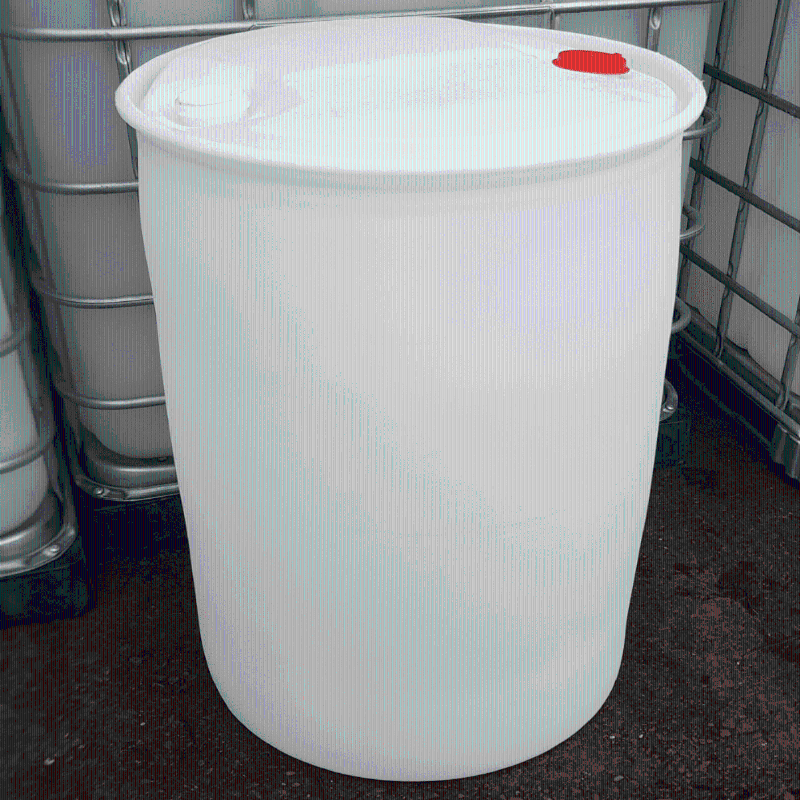
- Industrial bulk liquid grade: 200L carbon steel sealed drum with PTFE leak-proof gaskets, nitrogen filled
- Medium batch goods: 25L plastic-lined iron drum
- Lab trial small package: 1L / 5L brown sealed glass bottle with anti-leak outer protective barrel
- Large-volume ocean shipment: 20ft stainless steel ISO tank container with static grounding device
UN Transport Compliance Rules
UN 1993, Class 3 Highly Flammable Liquid, Packing Group III
- Road transport: Vehicles fitted with exhaust flame arrestors, equipped with CO₂ and dry powder dual fire extinguishers, fully ventilated cargo compartment
- Ocean shipment: Comply with IMDG Code flammable liquid dangerous goods rules; affix flammable hazard labels on every drum, stacking height ≤2 layers
- Loading ban: Forbid mixed loading with oxidants, edible goods, feed and alkaline chemicals in the same container
Full Export Document Package
- Batch Certificate of Analysis (COA)
- GHS-compliant MSDS / SDS
- Technical Data Sheet (TDS)
- Marine Dangerous Goods Declaration
- REACH compliance registration report
8. GHS Global Hazard Label Statements
Signal Word: Danger
Hazard Statements:
H225 Highly flammable liquid and vapor
H302 Harmful if swallowed
H315 Causes skin irritation
H319 Causes serious eye irritation
H336 May cause drowsiness or dizziness
H412 Harmful to aquatic life with long lasting effects
Precautionary Statements:
P210 Keep away from heat, sparks, open flames, hot surfaces – No smoking
P261 Avoid breathing vapor/mist
P280 Wear protective gloves, eye protection
P305+P351+P338 IF IN EYES: Rinse cautiously with water for several minutes
P403+P235 Store in a well-ventilated place. Keep cool and tightly closed.
9. Fire Emergency Disposal Plan
Approved Fire Extinguishing Agents
- Primary: Dry chemical powder fire extinguisher, carbon dioxide (CO₂) extinguisher
- Auxiliary: Alcohol-resistant foam fire extinguishing agent
Forbidden Agents
Direct high-pressure water jet (liquid floats on water surface and spreads flammable vapor, expanding fire range)
Fire Site Operation Steps
- Evacuate all personnel to upwind safe zone, isolate fire area and cut all ignition sources
- Continuously cool surrounding stacked drums with water mist to prevent thermal expansion rupture and vapor leakage
- Collect all fire residual waste liquid and solid as hazardous waste for centralized incineration treatment
10. Printable Export COA Template
CERTIFICATE OF ANALYSIS
Product Name: Cyclopentyl Chloride (Chlorocyclopentane)
CAS No.: 930-28-9
Grade: Export Premium Industrial Grade
Batch No.: ____________
Net Weight: 200kg/drum
Manufacture Date: ____________
| Test Item | Standard Spec | Test Result | Test Method |
| Cyclopentyl Chloride Assay | ≥98.0 % |
| GC Gas Chromatography |
| Cyclopentanol Impurity | ≤0.30 % |
| GC |
| Cyclopentene Residual | ≤0.20 % |
| GC |
| Moisture Content | ≤0.05 % |
| Karl Fischer Titration |
| Free Acid (as HCl) | ≤0.005 % |
| Potentiometric Titration |
| Color (APHA) | ≤10 |
| Platinum-Cobalt Colorimetry |
| Appearance | Colorless clear liquid without turbidity or sediment | Visual Inspection |
|
Conclusion: This batch complies with export premium industrial standard of Cyclopentyl Chloride.
Inspector Signature: ____________
Issuance Date: ____________
11. E-commerce Listing Copy (For Alibaba / Echemi Direct Use)
Product Title
Cyclopentyl Chloride Chlorocyclopentane CAS 930-28-9 98% Colorless Flammable Cycloalkyl Halide Cyclopentyl Alkylation Intermediate for Pharmaceutical Palbociclib Agrochemical Dye
Short Description
Cyclopentyl Chloride (C5H9Cl, CAS 930-28-9) ≥98% medium-boiling flammable cycloalkyl chloride liquid. Key cyclopentyl alkylating reagent for anti-cancer drug Palbociclib heterocyclic API synthesis, agrochemical herbicide intermediates and cyclopentyl substituted dyes. Full set of UN1993 flammable dangerous goods export documents COA, MSDS and TDS available for global bulk shipment.
Full Description
Cyclopentyl Chloride (also named Chlorocyclopentane, CAS 930-28-9) is a typical cycloaliphatic alkyl halide fine chemical supplied as colorless transparent volatile liquid with GC purity ≥98.0%. Its reactive C-Cl bond enables efficient nucleophilic substitution and Friedel-Crafts alkylation to introduce cyclopentyl steric hindrance group into target organic molecules.
Core downstream application sectors: core intermediate for Palbociclib targeted anti-tumor drug and cyclopentyl heterocyclic pharmaceutical APIs; raw material for cyclopentyl substituted herbicide/fungicide agrochemicals; precursor of cyclopentyl disperse dyes and halogen flame retardants; laboratory standard SN2 elimination reaction teaching reagent. We supply standard industrial bulk grade and ultra-low impurity high-purity pharmaceutical special grade for fine synthesis workshops.
Packed in nitrogen-sealed anti-rust steel drums for full-container sea freight. Classified as UN1993 Class 3 flammable dangerous goods, we provide complete customs clearance certification documents to support stable long-term sea and land delivery worldwide.







 TDS
TDS