Product
Supplier
Encyclopedia
Inquiry
Home > Water Treatment Chemical > Flocculant > Polyacrylamide for Sale > Polyacrylamide PAM Flocculant for Wastewater Treatment
Polyacrylamide PAM Flocculant for Wastewater Treatment buy - large image1
Polyacrylamide PAM Flocculant for Wastewater Treatment buy - image1
Polyacrylamide PAM Flocculant for Wastewater Treatment buy - image2
Polyacrylamide PAM Flocculant for Wastewater Treatment buy - image3
Polyacrylamide PAM Flocculant for Wastewater Treatment buy - image4
Polyacrylamide PAM Flocculant for Wastewater Treatment buy - image5
Polyacrylamide PAM Flocculant for Wastewater Treatment buy - image6

Polyacrylamide PAM Flocculant for Wastewater Treatment

TDS 68 Inquiries

Unit Price:

$850-945/MT FOB

Get Latest Price
CAS No.:

9003-05-8

Grade:

Industrial Grade

Content:

99%

Port:

Poland

Brand:

OEM

Packaging:

25kg/PE-Lined Kraft Paper Bag

Price valid (until):

2026-11-30

Company Type:
Distributor
Location:
United States
Qualification:
Main Products:

Fertilizer,Urea,APIs,Sodium Hypochloride

  • Product Description

  • Seller Information

  • Inquiry History

  • Description


      Product Detail  


    Anionic Polyacrylamide PAM Flocculant Industrial Grade

    Anionic Polyacrylamide (APAM) Flocculant is a high-molecular-weight, water-soluble polymer designed for flocculation, clarification, sedimentation, thickening, filtration, and solid-liquid separation in industrial water and wastewater-treatment systems.

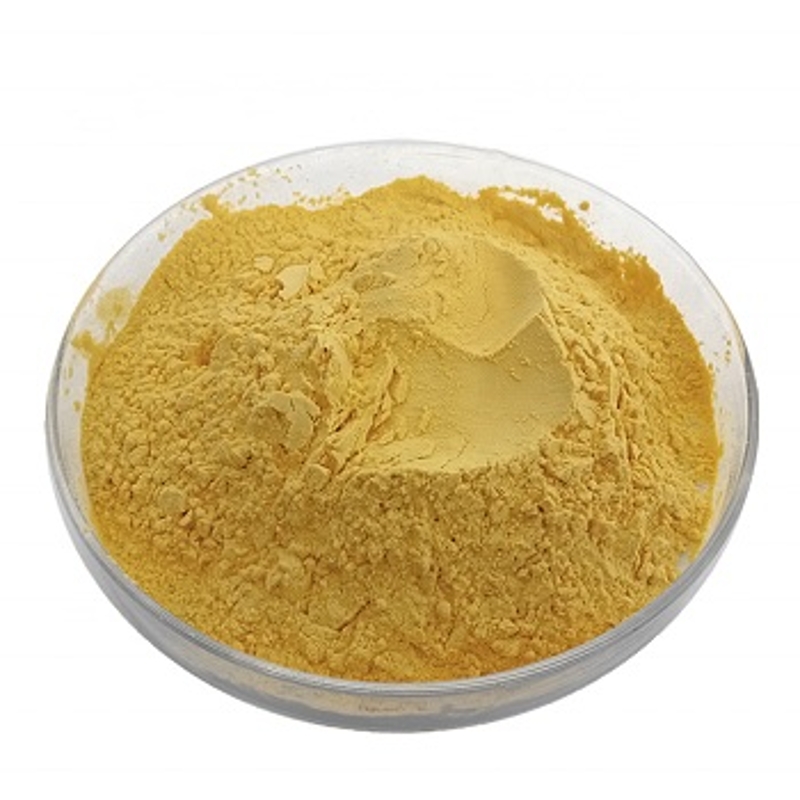
    The product is supplied as a white to off-white granular powder with high solid content and controlled anionic characteristics. When properly dispersed and hydrated in water, the polymer forms a viscous solution whose long molecular chains can adsorb onto suspended particles and bridge them together to form larger flocs.

    The resulting flocs can settle, float, filter, or dewater more efficiently than untreated fine suspended particles, making Anionic Polyacrylamide suitable for a wide variety of industrial clarification and separation processes.

    Typical applications include industrial wastewater treatment, mining and mineral processing, coal washing, sand and aggregate washing, sludge thickening, metallurgical wastewater, pulp and paper processing, textile wastewater treatment, and other industrial solid-liquid separation processes.

    Product Information

    Product Name: Anionic Polyacrylamide Flocculant
    Abbreviation: APAM / PAM
    Chemical Name: Polyacrylamide
    CAS No.: 9003-05-8
    Grade: Industrial Grade
    Ionic Type: Anionic
    Physical Form: Granular Powder
    Appearance: White to Off-White Granular Powder
    Solid Content: ≥90.0%
    Molecular Weight: 16–20 Million
    Degree of Hydrolysis: 25–30%
    pH (1% Solution): 7.0–10.0
    Dissolution Time: ≤90 Minutes
    Residual Acrylamide Monomer: ≤0.10%
    Water Insoluble Matter: ≤0.20%
    Water Solubility: Soluble after proper dispersion and hydration
    Standard Packaging: 25 kg PE-Lined Kraft Paper Bag

    Shop Polyacrylamide PAM Flocculant for Wastewater Treatment-Detailed Image 1

    Key Features

    • High-molecular-weight anionic polymer
    • ≥90% solid content
    • 16–20 million molecular-weight range
    • Controlled 25–30% degree of hydrolysis
    • White to off-white granular powder
    • Good water solubility after proper hydration
    • Promotes formation of larger flocs
    • Supports faster sedimentation
    • Improves clarification
    • Supports sludge thickening
    • Improves solid-liquid separation
    • Can improve filtration performance
    • Suitable for industrial wastewater treatment
    • Suitable for mining and mineral processing
    • Suitable for coal-washing applications
    • Suitable for sand and aggregate washing
    • Suitable for metallurgical wastewater
    • Suitable for pulp and paper applications
    • Moisture-resistant export packaging

    Technical Data Sheet 

    Parameter Commercial Specification
    Product Name Anionic Polyacrylamide
    Abbreviation APAM / PAM
    CAS No. 9003-05-8
    Grade Industrial Grade
    Ionic Type Anionic
    Appearance White to Off-White Granular Powder
    Solid Content ≥90.0%
    Molecular Weight 16–20 Million
    Degree of Hydrolysis 25–30%
    pH (1% Solution) 7.0–10.0
    Dissolution Time ≤90 Minutes
    Residual Acrylamide Monomer ≤0.10%
    Water Insoluble Matter ≤0.20%
    Particle Size 20–100 Mesh
    Bulk Density Approx. 0.60–0.85 g/cm³
    Water Solubility Soluble after proper hydration
    Recommended Storage Cool and Dry Conditions
    Standard Packaging 25 kg PE-Lined Kraft Paper Bag
    Bulk Packaging 1000 kg Jumbo Bag, if required
    Shelf Life 24 Months under recommended storage conditions


    Flocculation Mechanism

    Anionic Polyacrylamide promotes flocculation primarily through polymer adsorption and particle bridging.

    After the dry polymer is properly dispersed and hydrated, its long molecular chains interact with suspended particles in the treatment stream.

    Sections of the polymer chain can adsorb onto different particles simultaneously, forming bridges between individual suspended solids.

    This process creates larger flocs from smaller particles.

    The resulting flocs can then be separated through processes such as:

    • Sedimentation
    • Clarification
    • Flotation
    • Filtration
    • Thickening
    • Centrifugation
    • Filter pressing
    • Mechanical dewatering

    Treatment performance depends on wastewater composition, particle charge, pH, temperature, salinity, polymer molecular weight, degree of hydrolysis, dosage, mixing conditions, and separation equipment.

    Applications

    Industrial Wastewater Treatment

    Anionic Polyacrylamide is widely used as a polymer flocculant and separation aid in industrial wastewater-treatment systems.

    Typical applications include:

    • Suspended-solid removal
    • Clarification
    • Sedimentation
    • Flotation
    • Sludge thickening
    • Process-water clarification
    • Filtration improvement
    • Effluent treatment
    • Solid-liquid separation

    APAM may be used alone or together with suitable inorganic coagulants depending on the wastewater chemistry.

    Mining & Mineral Processing

    Anionic Polyacrylamide is particularly useful in mining and mineral-processing operations where rapid settling and recovery of suspended mineral solids are required.

    Potential applications include:

    • Tailings sedimentation
    • Tailings thickening
    • Mineral slurry clarification
    • Process-water recycling
    • Solid recovery
    • Sludge dewatering
    • Thickener operation
    • Filtration improvement

    The polymer grade should be selected according to ore type, particle characteristics, process-water chemistry, and separation equipment.

    Coal Washing

    APAM may be used in coal preparation and coal-washing plants for:

    • Coal-slurry settling
    • Fine-particle aggregation
    • Tailings clarification
    • Thickener operation
    • Process-water recycling
    • Filter-press conditioning
    • Sludge separation

    Its high molecular weight helps promote aggregation of fine suspended particles into larger, more readily separable flocs.

    Sand & Aggregate Washing

    Anionic Polyacrylamide may be used in wastewater generated from:

    • Sand washing
    • Aggregate washing
    • Quarry operations
    • Stone processing
    • Construction-material processing
    • Mineral washing

    The polymer can promote aggregation and sedimentation of fine clay, silt, and other suspended mineral particles.

    Metallurgical & Metal-Processing Wastewater

    APAM can be used in selected:

    • Steel-plant wastewater
    • Metallurgical wastewater
    • Metal-processing wastewater
    • Mineral-processing effluent
    • Electroplating wastewater after appropriate pretreatment

    The product is generally used to improve floc formation and subsequent solid-liquid separation.

    Sludge Thickening & Dewatering

    Polyacrylamide can improve floc formation before mechanical separation.

    Applications may include:

    • Gravity thickeners
    • Belt filter presses
    • Plate-and-frame filter presses
    • Centrifuges
    • Screw presses
    • Other sludge-separation equipment

    The optimum ionic grade should be determined according to the sludge composition.

    For many organic and biological sludges, a cationic PAM grade may perform better than anionic PAM, so laboratory testing is recommended before product selection.

    Pulp & Paper Industry

    Polyacrylamide products may be used in paper-manufacturing processes for:

    • Process-water clarification
    • Wastewater flocculation
    • Fiber and fines retention
    • Drainage improvement
    • Sludge treatment
    • Filtration improvement
    • Solid-liquid separation

    The appropriate PAM grade should be selected according to pulp chemistry and process requirements.

    Textile & Dyeing Wastewater

    Anionic Polyacrylamide can be used in selected textile and dyeing wastewater-treatment processes to support:

    • Flocculation
    • Clarification
    • Suspended-solid separation
    • Sludge settling
    • Filtration
    • Effluent-treatment processes

    It may be combined with suitable coagulants depending on wastewater composition.

    Polymer Solution Preparation

    For effective performance, dry Anionic Polyacrylamide should be properly dispersed and fully hydrated before dosing.

    Use clean preparation water and begin moderate agitation before introducing the polymer.

    Add the dry granules slowly and evenly into the moving water. Avoid dumping the entire quantity into one location because rapid wetting of the outer surface can create undissolved lumps or “fish eyes.”

    Continue gentle-to-moderate mixing while the polymer hydrates.

    Allow sufficient dissolution time before use. For this commercial grade, allow up to approximately 90 minutes for complete hydration under suitable preparation conditions.

    Avoid excessive high-shear mixing after hydration because unnecessary mechanical shear may reduce polymer-chain effectiveness.

    The final solution concentration should be selected according to the dosing equipment, treatment process, and technical trial results.

    Dosage & Product Selection

    There is no single PAM dosage suitable for every wastewater stream.

    Optimum dosage depends on:

    • Wastewater composition
    • Suspended-solid concentration
    • Particle surface charge
    • pH
    • Temperature
    • Salinity
    • Coagulant use
    • Mixing conditions
    • Settling characteristics
    • Molecular weight
    • Degree of hydrolysis
    • Treatment equipment
    • Desired treatment result

    Laboratory jar testing is recommended before full-scale application.

    Testing several dosages can help determine the optimum polymer concentration while minimizing unnecessary chemical consumption.

    Packaging

    Standard Export Packaging

    25 kg PE-Lined Kraft Paper Bag

    The inner polyethylene liner protects the polymer against moisture while the outer kraft bag provides additional mechanical protection during handling and transportation.
    Shop Polyacrylamide PAM Flocculant for Wastewater Treatment-Detailed Image 2

    Alternative Packaging

    Where commercially available:

    25 kg PP Woven Bag with PE Inner Liner

    1000 kg Jumbo Bag with Inner Liner

    Bulk packaging should only be offered when genuinely available.

    Storage

    Anionic Polyacrylamide powder should be stored in a cool, dry, and well-ventilated warehouse.

    Recommended storage conditions:

    • Keep bags tightly sealed
    • Protect against moisture
    • Protect from rain
    • Avoid direct sunlight
    • Avoid excessive heat
    • Store on clean, dry pallets
    • Avoid direct contact with wet floors
    • Protect packaging from puncture
    • Avoid contamination
    • Keep away from incompatible strong oxidizing materials
    • Reseal partially used bags promptly

    Polyacrylamide powder is sensitive to moisture.

    Excessive moisture exposure can result in:

    • Caking
    • Reduced powder flow
    • Difficult dispersion
    • Formation of lumps
    • Poor dissolution
    • Reduced handling quality

    Under suitable unopened storage conditions, the recommended commercial shelf-life specification is 24 months.

    Handling & Safety

    Avoid unnecessary dust generation during handling.

    Suitable workplace controls may include:

    • Protective gloves
    • Safety glasses or goggles
    • Suitable work clothing
    • Dust control
    • Local ventilation
    • Respiratory protection where required by workplace assessment

    Dry PAM granules should be handled carefully to minimize dust.

    Wet Polyacrylamide can create extremely slippery surfaces.

    Spilled polymer should therefore be contained and cleaned promptly according to the facility's spill procedure.

    Avoid uncontrolled discharge of concentrated polymer into drains or natural waterways.

    Always follow the current product-specific Safety Data Sheet.

    Residual Acrylamide Information

    Polyacrylamide is a polymer manufactured from acrylamide-based monomer.

    The finished polymer and residual acrylamide monomer should not be treated as the same substance.

    For this Industrial Grade commercial specification:

    Residual Acrylamide Monomer: ≤0.10%

    This limit should be confirmed through the manufacturer's quality-control testing and batch-specific COA.

    Do not describe the product as:

    Zero Acrylamide

    100% Non-Toxic

    Food Safe

    Drinking Water Approved

    unless the actual supplied grade has the required analytical and regulatory documentation.

    Quality Control

    Each commercial batch should be inspected against the approved product specification.

    Typical quality-control parameters include:

    • Appearance
    • Solid content
    • Molecular weight
    • Degree of hydrolysis
    • pH
    • Dissolution time
    • Water insoluble matter
    • Residual acrylamide monomer
    • Particle size
    • Batch identification

    A batch-specific Certificate of Analysis should be issued according to actual test results.


    Technical Data Sheet Summary

    Product: Anionic Polyacrylamide Flocculant
    Abbreviation: APAM / PAM
    CAS No.: 9003-05-8
    Grade: Industrial Grade
    Ionic Type: Anionic
    Appearance: White to Off-White Granular Powder
    Solid Content: ≥90.0%
    Molecular Weight: 16–20 Million
    Degree of Hydrolysis: 25–30%
    pH (1% Solution): 7.0–10.0
    Dissolution Time: ≤90 Minutes
    Water Insolubles: ≤0.20%
    Residual Acrylamide: ≤0.10%
    Particle Size: 20–100 Mesh
    Bulk Density: Approx. 0.60–0.85 g/cm³
    Water Solubility: Soluble after proper hydration
    Packaging: 25 kg PE-Lined Kraft Paper Bag
    Shelf Life: 24 Months under recommended storage conditions
    Primary Application: Industrial Water & Wastewater Treatment
    Additional Applications: Mining / Coal Washing / Sand Washing / Sludge Treatment / Metallurgical Wastewater / Pulp & Paper / Textile Processing

    Quality Documentation

    Available commercial documentation may include:

    Technical Data Sheet (TDS)
    Safety Data Sheet (SDS)
    Batch-Specific Certificate of Analysis (COA)
    Commercial Invoice
    Packing List
    Certificate of Origin

    Any ISO, SGS, Bureau Veritas, NSF, AWWA, REACH, potable-water, food-grade, or other certification should only be advertised when the actual product is covered by valid documentation.

    Important Grade Information

    This product is offered as:

    Anionic Polyacrylamide — Industrial Grade

    It should not automatically be represented as:

    • Food Grade
    • Pharmaceutical Grade
    • Drinking Water Grade
    • NSF Certified
    • AWWA Approved
    • Cosmetic Grade
    • Agricultural Grade
    • Feed Grade

    unless the actual supplied product meets the relevant requirements and supporting documentation is available.

    Product Summary

    Anionic Polyacrylamide PAM Flocculant, CAS 9003-05-8, is a high-molecular-weight industrial polymer supplied as a white to off-white granular powder. This commercial grade features ≥90% solid content, 16–20 million molecular weight, 25–30% degree of hydrolysis, pH 7–10, ≤90-minute dissolution time, ≤0.20% water insolubles, and ≤0.10% residual acrylamide monomer.

    It is designed for industrial flocculation, clarification, sedimentation, thickening, filtration, and solid-liquid separation and is suitable for applications including industrial wastewater treatment, mining, coal washing, sand washing, sludge treatment, metallurgical wastewater, pulp and paper processing, and textile wastewater treatment.

    Standard export packaging is 25 kg PE-lined kraft paper bags, with bulk packaging available according to supply requirements.

    ECHEMI Editorial Reference
    Polyacrylamide is relatively stable to heat with its solid only being softened at 220~230 °C and its solution subjecting to significant degradation only at above 110 °C. Polyacrylamide is insoluble in benzene, toluene, xylene, gasoline, kerosene, diesel fuel, but soluble in water. Polyacrylamide can react with alkaline with partial hydrolysis of polyacrylamide. It will have imidization reaction in strongly acidic (pH≤2.5) which will reduce its solubility in water. It can be cross-linked by the

    Certificates

    Basic Info
    Product Name:

    Polyacrylamide

    Other Name:

    2-Propenamide,homopolymer;Acrylamide,polymers;Acrylamide polymer;Polyacrylamide;Cyanamer P 250;PAA 1;Sumirez A 27;Pamid;Cyanamer P 35;Sumirez A 17;PAM 50;Solvitose 433;American Cyanamid KPAM;Aminogen PA;AP 273;Dow ET 597;Dow J 100;ET 597;J 100 (polymer);K-PAM;PAM;Cytame 5;P 300 (polyacrylamide);Sursolan P 5;Sanpoly A 520;P 250 (polymer);PAM (homopolymer);American Cyanamid P 250;Himoloc OK 507;J 100;P 250;Acrylamide homopolymer;Himoloc SS 200;Praestol 2800;Versicol W 11;PAA 70L;Polyacrylamide resin;Stokopol D 2624;Flygtol GB;K 4 (acrylic polymer);Gelamide 250;Dow 164;Diaclear MA 3000H;Migunon NS;Calgon 470;K 4;Calgon 800;Plex 4847D;Nalco Lp 3033;Solidokoll K;Polysic;Polymerset C 305;Aron F 40;TY 007;Versicol W 25;DP 1916;Cogum 25H;Polystron 117;KAL 13;Stargum AD-S;P 300;Texapret AM;Polystron 194-7;Get-Down;Nalco 7871;Versicol WN 15;Zonen A;Viterra II;NL;X-Coat P 130C;Sepaflux CE 5174;Praestol 2810/73;Boze Floc N 46BT;Polias 320;GPA-u;AMF;38F;Hiset P 700;Alcoflood 1175;Cogum 20P;Magnifloc 900N;Hiset P 700SN;Praestol 6000;2J;Versicol W 17;KW 677;Polyhall 2J;Nalco 8871;Percol 333;Polyhall 5J;Diaclear MN 3000H;Polyacron KR 143;BanDrift;Sedipur TF;Sedipur TF 514;PC 305;Tulsepar PNS 1;Seabetter AD;Formula 358;Santac SP 66;Mirbane 301;Santac SP 67;DK Dry Capsule ESP;Polystron 191;X-Coat P 180S;E 936;Polystron 145;Pomosist 117;Cyanamer N 300LMW;DP 9-6193;Sumifloc FN 10H;Instar NS;9082-06-8;12624-24-7;25038-45-3;27754-57-0;31566-42-4;33338-03-3;39355-07-2;39387-77-4;51312-40-4;57679-11-5;68247-81-4;72270-86-1;79079-15-5;104981-89-7;114265-35-9;122177-63-3;124262-35-7;129774-19-2;133522-77-7;143180-09-0;143180-13-6;143180-22-7;143749-07-9;200138-95-0;210353-85-8;223905-39-3;443682-77-7;449742-46-5;1226898-28-7;1229457-12-8;1400274-08-9;1621105-90-5;1621105-93-8;2098539-70-7;2113610-86-7

    CAS No.:

    9003-05-8

    Molecular Formula:

    (C3H5NO)x

    InChIKeys:

    InChIKey=HRPVXLWXLXDGHG-UHFFFAOYSA-N

    Molecular Weight:

    71.07790

    Exact Mass:

    71.03710

    EC Number:

    201-173-7

    HScode:

    3906901000

    Categories:

    Flocculant

    Characteristics
    PSA:

    43.09000

    XLogP3:

    0.35800

    Appearance:

    Acrylamide appears as white crystalline solid shipped either as a solid or in solution. A confirmed carcinogen. Toxic by skin absorption. Less dense than water and soluble in water. May be toxic by ingestion. Used for sewage and waste treatment, to make dyes, adhesives. The solid is stable at room temperature, but upon melting may violently polymerize. Toxic, irritating to skin, eyes, etc.

    Density:

    1.3 g/cm3

    Melting Point:

    246 °C

    Boiling Point:

    347-572°F (Decomposes)

    Flash Point:

    >230 °F

    Refractive Index:

    n20/D 1.452

    Water Solubility:

    H2O: soluble

    Storage Conditions:

    Refrigerator

    Vapor Pressure:

    Vapour pressure, Pa at 25°C: 0.9

    Vapor Density:

    Relative vapour density (air = 1): 2.45

    Toxicity:

    LD50 oral in rabbit: 11250mg/kg

    Flammability characteristics:

    Combustible Solid (may also be dissolved in flammable liquids).

    Explosive limit:

    A VIOLENT EXPLOSION OCCURRED DURING COMMON LAB PROCEDURE OF DISSOLVING ELECTROPHORESIS POLYACRYLAMIDE GELS WITH H2O2, IN ORDER TO MEASURE RADIOACTIVE SPECIES BY SCINTILLATION COUNTING.

    Odor:

    Odorless

    PH:

    pH = 5.0-6.5 /50% aqueous solution/

    Hazard Identification

    Classification of the substance or mixture

    Not classified.

    GHS label elements, including precautionary statements

    Pictogram(s) No symbol.
    Signal word

    No signal word

    Hazard statement(s)

    none

    Precautionary statement(s)
    Prevention

    none

    Response

    none

    Storage

    none

    Disposal

    none

    Other hazards which do not result in classification

    no data available

    Handling and Storage

    Precautions for safe handling

    Handling in a well ventilated place. Wear suitable protective clothing. Avoid contact with skin and eyes. Avoid formation of dust and aerosols. Use non-sparking tools. Prevent fire caused by electrostatic discharge steam.

    Conditions for safe storage, including any incompatibilities

    Store the container tightly closed in a dry, cool and well-ventilated place. Store apart from foodstuff containers or incompatible materials.

  • Seller Information
    Business Type:

    Distributor

    Main Products:

    Fertilizer,Urea,APIs,Sodium Hypochloride

    Location:

    W153N8358 Manhattan Dr , WI

    Payment Terms:

    TT against copy of documents,TT against B/L draft before shipment,100% TT in advance

    Total Annual Revenue:

    $2.5 million-$5 million

    Total Employees:

    11-50

    Year of Establishment:

    2025

  • Inquiry History
    68 Inquiries
    Country Product Purchase Quantity Date Posted
    Philippines

    Polyacrylamide (PAM) 100% white powder CAS 9003-05-8

    500 KG Sep 11, 2023
    Malaysia

    Polyacrylamide

    1.00 KG Apr 30, 2026
    India

    Cationic Polyacrylamide (C-PAM HM) – Liquid

    8000 MT May 14, 2026
    Turkey

    Polyelectrolyte

    100 MT Jan 29, 2024
    India

    Poly acrylamide (Antiscalant)

    50.00 KG Feb 29, 2024
    India

    Cationic Polyelectrolyte Powder

    25.00 KG Sep 8, 2023
    India

    Poly Acrylamide

    750 KG Mar 24, 2025
    India

    Poly Acrylamide ( PAM )

    750.00 KG Mar 26, 2025
    India

    Anionic Polyacrylamide

    300 KG Apr 21, 2025
    Mexico

    Polyacrylamide

    10 TON Nov 23, 2023
    Canada

    Hydrolyzed PAM

    15 20' Fcl Jul 22, 2026
    India

    flocculants

    1.00 KG Jun 29, 2026
    Bangladesh

    Polyacrylamide

    5 MT Jun 23, 2026
    India

    Anionic Polyelectrolyte

    100.00 KG May 21, 2026
    India

    Polyacrylamide

    1.00 KG Apr 27, 2026
    India

    Polyacrylamide

    10.00 MT Apr 27, 2026
    Philippines

    Polyacrylamide

    1 MT Feb 27, 2026
    Saudi Arabia

    Polyacrylamide

    1.00 KG Jan 6, 2026
    Pakistan

    PARTIALLY HYDROLYZED POLY ACRYLAMIDE

    50 MT Jan 5, 2026
    Georgia

    Anionic Polyacrylamide (Anionic Poly)

    1500 KG Dec 8, 2025
    Post an enquiry for this product
pic ×

Scan the QR Code to Share

All products displayed on this website are only for non-medical purposes such as industrial applications or scientific research, and cannot be used for clinical diagnosis or treatment of humans or animals. They are not medicinal or edible.

According to relevant laws and regulations and the regulations of this website, units or individuals who purchase hazardous materials should obtain valid qualifications and qualification conditions.

The information shown above is provided by the enterprise itself, and the authenticity, accuracy and legitimacy of the content are the responsibility of the publishing company. ECHEMI does not bear any guarantee responsibility for this. Please be aware that risks in internet transactions objectively exist.

Feedback & Suggestions
Send Message

Thank you for your feedback. If you require further assistance, please contact us by email at info@echemi.com or call us at +86-532-55729510.