Product
Supplier
Encyclopedia
Inquiry
Metformin hydrochloride1115-70-4 buy - large image1
Metformin hydrochloride1115-70-4 buy - image1
Metformin hydrochloride1115-70-4 buy - image2
Metformin hydrochloride1115-70-4 buy - image3
Metformin hydrochloride1115-70-4 buy - image4
Metformin hydrochloride1115-70-4 buy - image5
Metformin hydrochloride1115-70-4 buy - image6

Metformin hydrochloride1115-70-4

11 Inquiries

Unit Price:

$33-34/MT FOB

Get Latest Price
CAS No.:

1115-70-4

Grade:

Pharmaceutical Grade

Content:

99.5%

Port:

shanghai

Brand:

OORENT

Packaging:

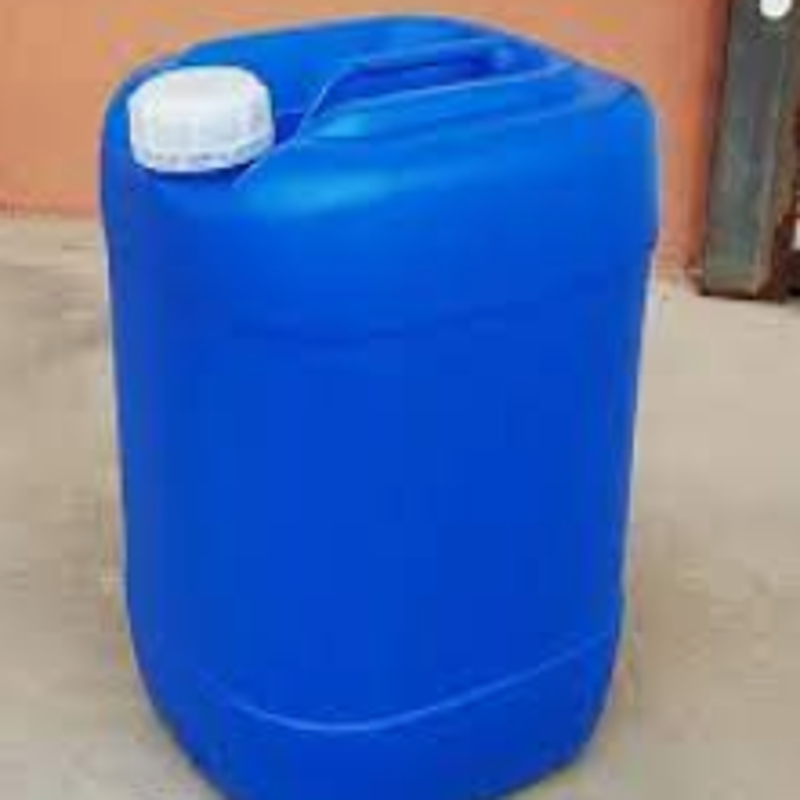
Vial/Bottle/Bag/Carton

Sample Available:

Yes

Price valid (until):

2026-11-09

Company Type:
Trader
Location:
China
Payment Terms:
100% TT in advance
Average Lead Time:
10 days
Qualification:
Main Products:

pharmaceutical intermediates,peptides,electronic chemicals

  • Product Description

  • Seller Information

  • Inquiry History

  • Description

    Metformin hydrochloride Chemical Properties
    Melting point  223-226 °C(lit.)
    density  1.36[at 20℃]
    vapor pressure  0.001Pa at 25℃
    Fp  9℃
    storage temp.  2-8°C
    solubility  Freely soluble in water, slightly soluble in alcohol, practically insoluble in acetone and in methylene chloride
    pka 12.4[at 20 ℃]
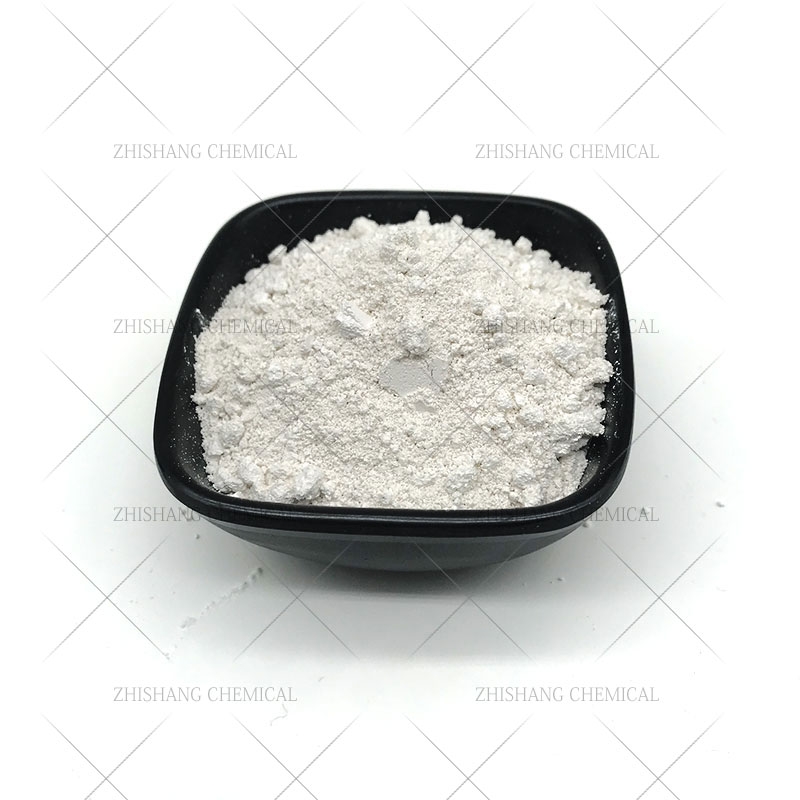
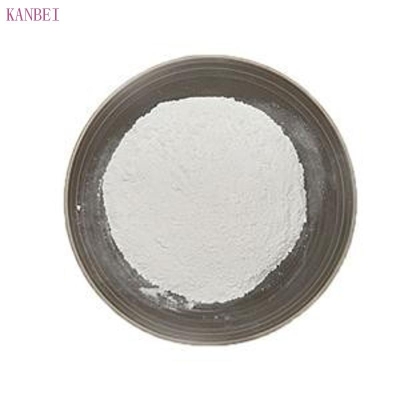
    form  Powder
    color  White
    Water Solubility  Soluble in water (50 mg/ml), ethanol, and DMSO (50 mM).
    λmax 233nm(H2O)(lit.)
    Merck  14,5938
    Henry's Law Constant 1.3×10¹⁰ mol/(m3Pa) at 25℃, HSDB (2015)
    BCS Class 3
    Stability: Stable for 2 years from date of purchase as supplied. Solutions in DMSO or distilled water may be stored at -20° for up to 2 months.
    InChI 1S/C4H11N5.ClH/c1-9(2)4(7)8-3(5)6;/h1-2H3,(H5,5,6,7,8);1H
    InChIKey OETHQSJEHLVLGH-UHFFFAOYSA-N
    SMILES Cl[H].CN(C)C(=N)NC(N)=N
    LogP -3.5 at 20℃
    CAS DataBase Reference 1115-70-4(CAS DataBase Reference)

    Safety Information
    Hazard Codes  Xn,T,F
    Risk Statements  22-36/38-39/23/24/25-23/24/25-11
    Safety Statements  26-36-45-36/37-16-7
    RIDADR  UN1230 - class 3 - PG 2 - Methanol, solution
    WGK Germany  3
    RTECS  DU1800000
    HS Code  29252900
    Storage Class 11 - Combustible Solids
    Hazard Classifications Acute Tox. 4 Oral
    Eye Irrit. 2
    Hazardous Substances Data 1115-70-4(Hazardous Substances Data)
    Toxicity LD50 in rats (mg/kg): 1000 orally, 300 s.c. (Rx Bulletin)
    MSDS Information
    Provider Language
    SigmaAldrich English

    Metformin hydrochloride Usage And Synthesis
    Oral hypoglycemic agents Metformin hydrochloride is a biguanide oral hypoglycemic agent , also known as  Glucophage,  its hypoglycemic effect is weaker than phenformin, the main role is to reduce the glucagon secretion of A cells ,and to promote the conversion of glucose to glycogen, its characteristic effect including that it does not  stimulate pancreatic β-cells to secrete insulin .
    The follows are hypoglycemic mechanisms:
    1. Increasing the sensitivity of peripheral tissues to insulin, increase insulin-mediated glucose utilization.
    2. Increasing glucose utilization of non-insulin-dependent tissues, such as brain, blood cells, kidney medulla, intestine, skin and so on.
    3. Inhibiting hepatic gluconeogenesis effect , reducing hepatic glucose output.
    4. Inhibiting glucose uptake by intestinal cells.
    5. Inhibiting the biosynthesis and storage of cholesterol , lowering blood triglycerides and total cholesterol levels.
    Metformin hydrochloride is clinically used for the treatment of type Ⅱ diabetes patients who are not satisfied with simple diet control, especially patients with obesity and hyperinsulinemia, usage of this drug not only displays no hypoglycemic effect, but also there may be weight loss and hyperinsulinemia effect. For some patients with poor efficacy of sulfonylurea ,it may be effective, if it is used with hypoglycemic drugs including sulfonylurea, intestinal glucosidase inhibitors or thiazolidinediones, the results are better than used alone. It can also be used in patients with insulin therapy to reduce the amount of insulin.
    At present, domestic manufacturer mainly include the American Shanghai Squibb Pharmaceutical Co., Ltd .
    Adverse effects and precautions Biguanide oral hypoglycemic agents can increase glucose utilization of surrounding tissues and inhibit the intestinal absorption of glucose, and inhibit glycogen gluconeogenesis and hepatic glucose output,it is mainly applied to obesity, dyslipidemia, type II diabetes patients. It almost has no hypoglycemic effect for normal persons ,  2 to 3 hours after taking for diabetes patients ,glucose decreases significantly.
    Commonly used oral hypoglycemic agents include phenformin and metformin hydrochloride.
    The incidence of adverse effects of metformin hydrochloride is higher than tolbutamide , common gastrointestinal reactions are anorexia, nausea, vomiting, abdominal pain, diarrhea, occasional metallic taste in the mouth, bad breath, nausea, loss of appetite and diarrhea and other gastrointestinal reactions, sometimes  hypoglycemia  is visible  .
    Since the biguanide drugs enhance sugar anaerobic glycolysis, and inhibit  glycogen generation, small number of patients may suffer with ketosis or lactic acidosis, which should be particularly vigilant, but metformin effect is weak  , adverse reactions are only  1/50 of other biguanides, and it has rapid clearance, there are no accumulation in the liver, it rarely induces lactic acidosis, sometimes there is mild increase in blood lactate. patients with heart, liver, kidney diseases are prone to these adverse reactions, diabetes patients with these types of complications are hanged. It can reduce the absorption of vitamin B12, but it seldom causes anemia. The following cases are contraindications:
    1. Pregnant and lactating women, children under 10 years of age, 80 years of age or older.
    2. Diabetic ketoacidosis, diabetic hyperglycemic hyperosmolar syndrome, diabetes lactic acidosis.
    3. Severe liver and kidney dysfunction, blood urea nitrogen and creatinine higher than normal, hypovolemic shock, heart failure, AMI, in vivo hypoxic condition such as heart failure, pulmonary insufficiency, or any systemic hypoxia circumstances and other serious heart and lung diseases.
    4. Severe infection or trauma, major surgery, clinical hypotension , hypoxia and so on.
    5. Complications with severe diabetic nephropathy and retinopathy. When there are symptoms,the drug  should be immediately discontinued; cimetidine can reduce the renal excretion of metformin hydrochloride, agar types can reduce the absorption of metformin, patients must check liver and kidney function and cardiac ketones regularly.
    6. Alcoholics, vitamin B12 and folate deficiency which are not corrected.
    Chemical Properties White crystal or crystalline powder. Melting point 232 ℃ (218-220 ℃). Soluble in water, dissolved in methanol, slightly soluble in ethanol, insoluble in ether and chloroform. Odorless, bitter taste.
    Application
    • The product belongs to hypoglycemic agents. It can be used in patients with type Ⅱ diabetes to reduce fasting and postprandial hyperglycemia, HbAlc can be decreased by 1% to 2%, hypoglycemic mechanism of this product may be: I increase the sensitivity of peripheral tissues to insulin, increases insulin-mediated glucose utilization . II increase glucose utilization  of non-insulin dependent tissues, such as brain, blood cells, kidney medulla, intestine, skin and the like. III inhibit hepatic gluconeogenesis effect, reduce hepatic glucose output. IV inhibit  glucose uptake by intestinal cells.
    • Indications: For mild diabetes.
    • Metformin hydrochloride is an anti-diabetic agent, reducing blood glucose levels, and improving insulin sensitivity. Its metabolites (including the inhibition of hepatic gluconeogenesis) is activated through LKB1-AMPK (AMP-activated protein kinase)  path.
    • Hypoglycemic agents, it is used for non-insulin-dependent diabetes. Rat oral LD50 of 1000 mg/kg.
    Production method After the salifying of dimethylamine and the reaction with dicyandiamide , the product is derived.
    Description Metformin is a biguanide with diverse biological activities. Metformin (250 mg/kg, i.p.) increases hepatic AMPK activity and reduces blood glucose by more than 50% in a liver kinase B1-dependent manner in mice fed normal and high-fat diets, respectively, and reduces blood glucose by 40% in ob/ob mice. It reduces weight gain, hepatic lipid droplet content, and total cholesterol, LDL cholesterol, and triglyceride levels in the plasma of diet-induced obese mice when administered at doses of 10 or 50 mg/kg per day. It also reverses increased hepatic triglyceride and apolipoprotein A5 levels, as well as hepatic steatosis, in a dose-dependent manner in an ob/ob mouse model of non-alcoholic fatty liver disease (NAFLD). Metformin (250 mg/kg) reduces tumor growth in an HCT116 p53-\- human colon cancer mouse xenograft model, but has no effect on HCT116 p53-\- tumors overexpressing recombinant S. cerevisiae Ndi1 NADH dehydrogenase, a single-subunit ortholog of the multi-subunit mammalian mitochondrial complex I. Formulations containing metformin have been used in the treatment of type 2 diabetes.
    Chemical Properties Crystalline Solid
    Originator Diabetex ,Germania
    Uses An oral hypoglycemic agent
    Uses Anti-diabetic and anti-cancer activity
    Uses Metformin hydrochloride may be used as a pharmaceutical primary standard for the determination of the analyte in pharmaceutical formulations and human plasma samples by analytical techniques.
    Uses 1,1-Dimethylbiguanide hydrochloride is used as an antidiabetic agent, used in polycystic ovary syndrome, non-alcoholic fatty liver disease and diabetes mellitus type 2. It may also reduce weight gain in people taking atypical antipsychotics, used in a study to investigate its role in enhancing the secretions of plasma active glucagon-like peptide-1 (GLP-1) levels.
    Definition ChEBI: A hydrochloride resulting from the reaction of metformin with one molar equivalent of hydrogen chloride.
    Manufacturing Process The boiling mixture of 1,000 L xylene, 450 kg dimethylamine and 840 kg dicyanamide was added 365 kg hydrogene chloride. Yield of biguanide, 1,1- dimethyl-, hydrochloride 1,588 kg (96%). Biguanide, 1,1-dimethyl-, hydrochloride may be recrystallysed from methanol.
    Brand name Fortamet (Andrx); Glucophage (Bristol-Myers Squibb); Glumetza (Depomed); Riomet(Ranbaxy).
    Therapeutic Function Oral hypoglycemic
    General Description 1,1-Dimethylbiguanide hydrochloride (metformin) is a strong base. It forms well defined salts and possessing excellent coordination capacity with transition metals, forming highly colored bidentate chelate complexes. Metformin (MET) exists in various forms: diprotonated (H2MET)2+ in strong acidic solution, monoprotonated (HMET)+ in weak acid, MET in neutral and deprotonated (MET)- in strong alkali solution. It is an oral antidiabetic drug. Pharmacokinetics of metformin has been studied. Determination of metformin in human plasma has been described by simple HPLC-UV method. Metformin is reported to increase plasma active glucagon-like peptide-1 (GLP-1) in humans.
    Flammability and Explosibility Non flammable
    Biological Activity Antidiabetic agent; lowers plasma glucose levels and improves insulin sensitivity. Inhibits hepatic gluconeogenesis via activation of the LKB1/AMPK pathway. Displays antiproliferative effects in cancer cell lines.
    Biochem/physiol Actions Metformin is an antidiabetic agent that reduces blood glucose levels and improves insulin sensitivity. Its metabolic effects, including the inhibition of hepatic gluconeogenesis, are mediated at least in part by activation of the LKB1-AMPK (AMP-activated protein kinase) pathway. Activation of this pathway also appears to be involved in the antiproliferative and proapoptotic actions of metformin in cancer cell lines.
    Clinical Use
    Non-insulin dependent diabetes mellitus
    Polycystic ovary syndrome
    Veterinary Drugs and Treatments Metformin may be useful in the adjunctive treatment of non-insulin dependent diabetes mellitus in cats. Only limited trials of the drug have been performed in cats, with only very limited success when the drug is used alone. Studies comparing its safety and efficacy with other oral antihyperglycemics (e.g., glipizide or insulin) were not located.
    Drug interactions Potentially hazardous interactions with other drugs
    Alcohol: increased risk of lactic acidosis.
    Cimetidine: inhibits renal excretion of metformin
    Metabolism Metformin is not metabolised to any great extent, and is entirely excreted unchanged in the urine.
    storage Room temperature
    References [1] ZHOU G, MYERS R W, LI Y, et al. Role of AMP-activated protein kinase in mechanism of metformin action.[J]. The Journal of clinical investigation, 2001, 1 1: 0. DOI:10.1172/jci13505
    [2] REUBEN J. SHAW. The Kinase LKB1 Mediates Glucose Homeostasis in Liver and Therapeutic Effects of Metformin[J]. Science, 2005, 310 5754. DOI:10.1126/science.1120781
    [3] W-Y SHI. Therapeutic metformin/AMPK activation blocked lymphoma cell growth via inhibition of mTOR pathway and induction of autophagy[J]. Cell Death & Disease, 2012, 3 3: e275-e275. DOI:10.1038/cddis.2012.13
    [4] DANIELA FORTUNATO RÊGO. Anti-tumor effects of metformin on head and neck carcinoma cell lines: A systematic review.[J]. Oncology Letters, 2017, 13 2: 554-566. DOI:10.3892/ol.2016.5526
    [5] SO-YOUNG LEE. PGC1α Activators Mitigate Diabetic Tubulopathy by Improving Mitochondrial Dynamics and Quality Control.[J]. Journal of Diabetes Research, 2017: 6483572. DOI:10.1155/2017/6483572
    [6] ZHI ZHENG. Sirtuin 1-mediated cellular metabolic memory of high glucose via the LKB1/AMPK/ROS pathway and therapeutic effects of metformin.[J]. Diabetes, 2012, 61 1: 217-228. DOI:10.2337/db11-0416
    [7] NIKITA KATILA . Metformin lowers α-synuclein phosphorylation and upregulates neurotrophic factor in the MPTP mouse model of Parkinson’s disease[J]. Neuropharmacology, 2017, 125: Pages 396-407. DOI:10.1016/j.neuropharm.2017.08.015
    [8] ANTHONY P. COLL. GDF15 mediates the effects of metformin on body weight and energy balance[J]. Nature, 2019, 578 7795: 444-448. DOI:10.1038/s41586-019-1911-y


    Shop Tirzepatide2023788-19-2-Detailed Image 2 Shop Tirzepatide2023788-19-2-Detailed Image 3 Shop Tirzepatide2023788-19-2-Detailed Image 4 Shop Tirzepatide2023788-19-2-Detailed Image 5 Shop Tirzepatide2023788-19-2-Detailed Image 6 Shop Tirzepatide2023788-19-2-Detailed Image 7


    ECHEMI Editorial Reference
    Metformin (hydrochloride) is an FDA approved first-line drug for the treatment of type 2 diabetes. Metformin decreases hepatic glucose production, mostly through a mild and transient inhibition of the mitochondrial respiratory-chain complex 1.

    Basic Info
    Product Name:

    Metformin hydrochloride

    Other Name:

    Imidodicarbonimidic diamide,N,N-dimethyl-,hydrochloride (1:1);Biguanide,1,1-dimethyl-,monohydrochloride;Imidodicarbonimidic diamide,N,N-dimethyl-,monohydrochloride;Biguanide,1,1-dimethyl-,hydrochloride;Metformin hydrochloride;N,N-Dimethylbiguanide hydrochloride;1,1-Dimethylbiguanide hydrochloride;Meguan;N1,N1-Dimethylbiguanide hydrochloride;Diabefagos;Glucophage;Glyformin;LA 6023;Dabex;Denkaform;Dextin;Diabetmin;Diabex;Apophage;Benofomin;Diformin Retard;Dimefor;Fornidd;Geamet;Glucaminol;Glucofago;Glucomet;Glucomine;Glucoform;Glucomin;Gluconil;Glucophage 850;Glucophage Forte;Glucophage-Mite;Glucophage Retard;Gludepatic;Glufor;Gluformin;Glumeformin;Glumin;Glupermin;Glyciphage;Glycon;Metforal;Metomin;Miformin;Orabet;Siamformet;Walaphage;Diaformin;Diformin;Glyceriphage;Diabetosan;Dialon;Glucophage XR;N,N-Dimethylbiguanidinium chloride;Apo-Metformin;Brot;Glumetza;Glifage;Glucophage SR;Melbin;N,N-Dimethylbiguanidine monohydrochloride;Glucoformin;Riomet;Glumin XR;Metgluco;Neodipa;Diabetmim;FORTAMET;Obimat-SR;15537-72-1;56258-19-6;144377-16-2

    CAS No.:

    1115-70-4

    Molecular Formula:

    C4H11N5.ClH

    InChIKeys:

    InChIKey=OETHQSJEHLVLGH-UHFFFAOYSA-N

    Molecular Weight:

    165.62500

    Exact Mass:

    165.07800

    EC Number:

    605-006-2

    HScode:

    2925290090

    Characteristics
    PSA:

    88.99000

    XLogP3:

    1.05850

    Appearance:

    crystalline solid

    Melting Point:

    232 °C

    Boiling Point:

    224.1ºC at 760 mmHg

    Flash Point:

    89.3ºC

    Water Solubility:

    In water, 1.06X10+6 mg/L (miscible) at 25 deg C (est)

    Storage Conditions:

    Keep container tightly closed in a dry and well-ventilated place. Recommended storage temperature 2 - 8 deg C. Storage class (TRGS 510): Non Combustible Solids. /Metformin hydrochloride/

    Vapor Pressure:

    0.0929mmHg at 25°C

    Hazard Identification

    Classification of the substance or mixture

    Acute toxicity - Category 4, Oral

    GHS label elements, including precautionary statements

    Pictogram(s)

    Signal word

    Warning

    Hazard statement(s)

    H302 Harmful if swallowed

    Precautionary statement(s)
    Prevention

    P264 Wash ... thoroughly after handling.

    P270 Do not eat, drink or smoke when using this product.

    Response

    P301+P317 IF SWALLOWED: Get medical help.

    P330 Rinse mouth.

    Storage

    none

    Disposal

    P501 Dispose of contents/container to an appropriate treatment and disposal facility in accordance with applicable laws and regulations, and product characteristics at time of disposal.

    Other hazards which do not result in classification

    no data available

    Handling and Storage

    Precautions for safe handling

    Handling in a well ventilated place. Wear suitable protective clothing. Avoid contact with skin and eyes. Avoid formation of dust and aerosols. Use non-sparking tools. Prevent fire caused by electrostatic discharge steam.

    Conditions for safe storage, including any incompatibilities

    Keep container tightly closed in a dry and well-ventilated place. Recommended storage temperature 2 - 8 deg C. Storage class (TRGS 510): Non Combustible Solids. Metformin hydrochloride

  • Seller Information
    Business Type:

    Trader

    Main Products:

    pharmaceutical intermediates,peptides,electronic chemicals

    Location:

    Room 102, 1st Floor, East Office Building, No. 45 Pengwan Road, Qianwan Bonded Port Area, Qingdao Zone, China (Shandong) Pilot Free Trade Zone

    Payment Terms:

    100% TT in advance

    Average lead Time:

    10 days

    Total Annual Revenue:

    $10 million-$25 million

    Total Employees:

    51-100

    Year of Establishment:

    2024

    A reliable supplier is like insurance.

    We are mainly specilized in supply of pharmaceutical intermediates, electronic chemicals,food additives, and other fine chemical products.
    Integrity is the foundation, quality is life. We would like to work together with you to build a greener and brighter future.

    Website: orientchem.cc
    Email: scarlett@orientchem.cc
    WhatsApp: +86 17753254221

  • Inquiry History
    11 Inquiries
    Country Product Purchase Quantity Date Posted
    United Kingdom

    Metformin

    1 KG Sep 25, 2025
    United Kingdom

    Metformin HCL powder Stock

    1 KG Sep 26, 2025
    India

    Metformin HCl

    20 MT Jun 2, 2026
    Bangladesh

    Metformin Hydrochloride

    50000 KG Aug 28, 2026
    Germany

    Metformin hydrochloride

    1 KG Oct 1, 2026
    Pakistan

    Metformin HCl

    25 KG Aug 26, 2026
    Bangladesh

    Metformin HCL BP

    40.00 MT Nov 10, 2023
    Pakistan

    Metformin Hydrochloride

    500 KG Oct 13, 2025
    India

    Metformin HCl

    17 MT Jul 25, 2025
    Pakistan

    Metformin Hydrochloride

    3000 KG Jun 20, 2025
    Bangladesh

    Metformin HCL BP (As ApI)

    40 MT Nov 24, 2023
    Post an enquiry for this product
pic ×

Scan the QR Code to Share

All products displayed on this website are only for non-medical purposes such as industrial applications or scientific research, and cannot be used for clinical diagnosis or treatment of humans or animals. They are not medicinal or edible.

According to relevant laws and regulations and the regulations of this website, units or individuals who purchase hazardous materials should obtain valid qualifications and qualification conditions.

The information shown above is provided by the enterprise itself, and the authenticity, accuracy and legitimacy of the content are the responsibility of the publishing company. ECHEMI does not bear any guarantee responsibility for this. Please be aware that risks in internet transactions objectively exist.

Feedback & Suggestions
Send Message

Thank you for your feedback. If you require further assistance, please contact us by email at info@echemi.com or call us at +86-532-55729510.