Product
Supplier
Encyclopedia
Inquiry
Home > Pharmaceutical Intermediates > Bulk Drug Intermediates > Melatonin for Sale > Melatonin CAS 73-31-4 Factory Wholesale High Purity Hot selling 10mg
Melatonin CAS 73-31-4  Factory Wholesale High Purity Hot selling 10mg buy - large image1
Melatonin CAS 73-31-4  Factory Wholesale High Purity Hot selling 10mg buy - image1
Melatonin CAS 73-31-4  Factory Wholesale High Purity Hot selling 10mg buy - image2
Melatonin CAS 73-31-4  Factory Wholesale High Purity Hot selling 10mg buy - image3
Melatonin CAS 73-31-4  Factory Wholesale High Purity Hot selling 10mg buy - image4
Melatonin CAS 73-31-4  Factory Wholesale High Purity Hot selling 10mg buy - image5
Melatonin CAS 73-31-4  Factory Wholesale High Purity Hot selling 10mg buy - image6

Melatonin CAS 73-31-4 Factory Wholesale High Purity Hot selling 10mg

TDS 33 Inquiries

Unit Price:

$71/UNIT FOB

Get Latest Price
CAS No.:

73-31-4

Grade:

Pharmaceutical Grade

Content:

99%

Port:

Hongkong

Brand:

Novio

Packaging:

10mg*10vials

Sample Available:

Yes

Price valid (until):

2028-01-31

Company Type:
Trader
Location:
China
Qualification:
Main Products:

Peptides,Cosmetic Raw Materials,Pharmaceutical Intermediates

  • Product Details

  • Seller Information

  • Inquiry History

  • Description


      Product Detail  


    WhatsApp +852 9339 8574
    Melatonin is a small-molecule indole derivative with broad biological activity, originally discovered during research on the pineal gland. Due to its stable physicochemical properties and diverse biological effects, it has become a widely used reagent in fields such as *in vitro* cell modeling and the investigation of biochemical mechanisms. Although it lacks a polypeptide structure, substantial *in vitro* experimental data supports its role in cellular protection, the regulation of oxidative stress, and the maintenance of homeostasis; consequently, researchers frequently employ it in parallel control experiments across various cell models. With excellent water solubility and compatibility, it integrates seamlessly into diverse cell culture systems, playing a pivotal role in basic biological research and the screening of bioactive substances.

    The primary focus of melatonin research lies in its antioxidant properties and free radical scavenging capabilities. Cellular metabolic processes continuously generate reactive oxygen species (ROS); their excessive accumulation attacks intracellular macromolecules, damages organelles, compromises cell membrane integrity, and disrupts normal physiological states. Melatonin possesses a unique chemical structure that enables it to directly capture excess free radicals, thereby mitigating the destructive impact of oxidative reactions. Beyond direct scavenging, it regulates the expression of intracellular antioxidant components, enhances the cell's intrinsic antioxidant capacity, and establishes a multi-layered defense system to alleviate the persistent damage caused by oxidative stress. Unlike many single-function antioxidants, both melatonin and its metabolites retain the ability to scavenge ROS, providing sustained protection—a key reason for its widespread use in studies involving oxidative damage models.

    Regarding the regulation of cellular homeostasis, melatonin modulates cell cycle-related processes, helping to maintain normal rhythms of cell growth and renewal. Under conditions of high oxidative stress, growth rhythms are prone to disruption, potentially triggering abnormal cellular transitions. Supplementing *in vitro* culture systems with melatonin mitigates the interference of stress conditions on cell growth, thereby stabilizing the cell population. Extensive *in vitro* research demonstrates that melatonin protects intracellular organelles, reduces oxidative damage to critical structures like mitochondria, and ensures the smooth operation of energy metabolism. Because the structural integrity of organelles is essential for orderly basal metabolic activity, melatonin is frequently utilized in studies concerning organelle protection and cell survival. The regulation of circadian rhythms is another major area of ​​research interest regarding melatonin. Cell populations exhibit intrinsic fluctuations in the expression of rhythm-related genes; changes in the external environment can disrupt these expression patterns, leading to circadian dysregulation. Melatonin binds to specific targets to modulate the transcriptional levels of rhythm-related genes, helping to restore stable rhythmic expression patterns. Many research teams establish cell models with disrupted rhythms and use melatonin in intervention experiments to observe dynamic changes in gene expression over time, thereby elucidating the operational logic of rhythm-related signaling pathways. In vitro studies in this field often incorporate comparative analyses with similar active compounds—such as DSIP and Pinealon—to contrast their regulatory effects on rhythm-related signaling and to refine the understanding of the underlying mechanisms.

    Physicochemically, commercial research-grade melatonin appears as a white crystalline powder produced via fine chemical synthesis. Its purity is verified using High-Performance Liquid Chromatography (HPLC), and each batch is accompanied by a comprehensive Certificate of Analysis (COA) detailing parameters such as purity and impurity levels, facilitating quality verification by the purchaser. The dry powder form allows for sealed, low-temperature storage; under standard storage conditions, the molecular structure remains stable over the long term with minimal degradation. During in vitro experiments, the powder dissolves readily in suitable solvents, enabling the preparation of stock solutions at various concentrations that can be diluted as needed to create concentration gradients. It is highly compatible with most cell culture media, forming no significant precipitates and requiring no complex solubilizing agents; this minimizes solvent-induced interference with the cell model, simplifies experimental procedures, reduces confounding variables, and enhances experimental reproducibility.

    Melatonin has a wide range of applications in scientific research. First, it is used in the construction of oxidative stress models and studies on cellular protection; researchers can establish models of oxidative damage, apply melatonin as an intervention, and monitor indicators such as cell viability and lipid peroxidation levels to evaluate antioxidant efficacy and screen for bioactive lead compounds. Second, it is used in research regarding organelle protection, focusing on the compound's protective effects on mitochondrial structure and function, as well as the mechanisms by which it mitigates organelle damage under oxidative stress. Third, regarding *in vitro* studies on cellular rhythms, cell models are utilized to investigate changes in the expression of rhythm-related genes and to analyze how exogenous melatonin regulates cellular rhythm signaling pathways. Fourth, parallel control experiments are employed; in studies concerning cellular protection, melatonin is frequently compared with compounds such as Epithalon, SS-31, and carnosine to evaluate differences in antioxidant and cytoprotective efficacy, thereby facilitating structure-activity relationship analysis. Fifth, combination intervention studies involve co-administering melatonin with other active ingredients to explore synergistic effects and uncover the protective potential of multi-component systems.

    Melatonin shares commonalities with peptide-based ingredients in similar research areas but also possesses distinct differences. Epithalon, a peptide research ingredient, also offers antioxidant and cellular homeostasis-maintaining effects—often studied in the context of cellular aging—yet its molecular backbone and target sites differ entirely from those of melatonin. SS-31 primarily targets mitochondria to reduce reactive oxygen species (ROS) production at the source, whereas melatonin functions by both directly scavenging free radicals and upregulating endogenous antioxidant systems. Carnosine, a natural dipeptide, excels at inhibiting lipid peroxidation but lacks activity related to rhythm regulation. Pinealon’s research scope—encompassing rhythms and antioxidation—overlaps significantly with that of melatonin; however, as Pinealon is a peptide, the two belong to different molecular classes. When designing experiments, researchers may select these compounds individually or in combination based on specific project objectives to verify relevant biological effects from multiple perspectives.

    Rigorous control group design is crucial when conducting *in vitro* experiments with melatonin. Standard practice involves establishing blank and solvent control groups to rule out interference from culture media or solubilizing agents, as well as setting up groups with varying concentration gradients to establish dose-response relationships and determine optimal working concentrations. Factors such as incubation duration, cell seeding density, and culture conditions influence final results; therefore, preliminary experiments are typically conducted beforehand to optimize parameters and minimize data deviations caused by extraneous variables. A standardized experimental protocol enhances the credibility of results, facilitates reproducibility, and ensures data meet the requirements of the research project.

    The quality of the raw material directly determines the smooth progress of the experiment. Industrial synthesis processes involve comprehensive control over reaction, purification, and crystallization stages, effectively removing by-products and impurities to ensure consistent batch-to-batch quality. Stable, uniform raw materials prevent experimental irreproducibility caused by purity variations between batches, thereby saving on consumables, time, and research funding. For scientific laboratories and biotechnology R&D institutions, high-quality melatonin serves as a reliable, fundamental reagent for research in cell biology and oxidative biology.

    As basic biological research advances, in vitro studies involving melatonin continue to expand. Thanks to its multifaceted biological properties—including antioxidant activity, organelle protection, and the regulation of circadian rhythms—this small molecule continues to enrich the repertoire of bioactive small molecules available for research. It can be used independently in single-variable experiments or combined with other research materials to investigate synergistic effects between different components. Extensive in vitro cell experiments continue to refine our understanding of its mechanisms of action, deepening research into relevant signaling pathways and molecular interaction mechanisms. As an established research reagent, melatonin provides robust support for fundamental studies in areas such as cellular protection, oxidative biology, and cellular rhythms, helping researchers uncover the molecular principles underlying cellular life processes and driving continued progress in the field of bioactive small molecules.

    Items Specifications
    Product Name Melatonine
    CAS No 73-31-4
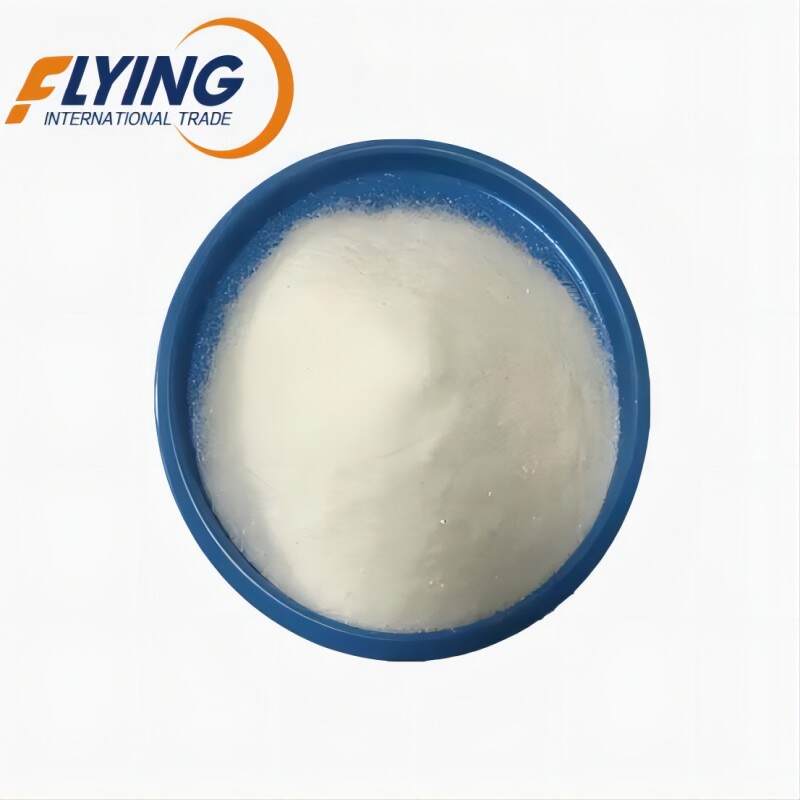
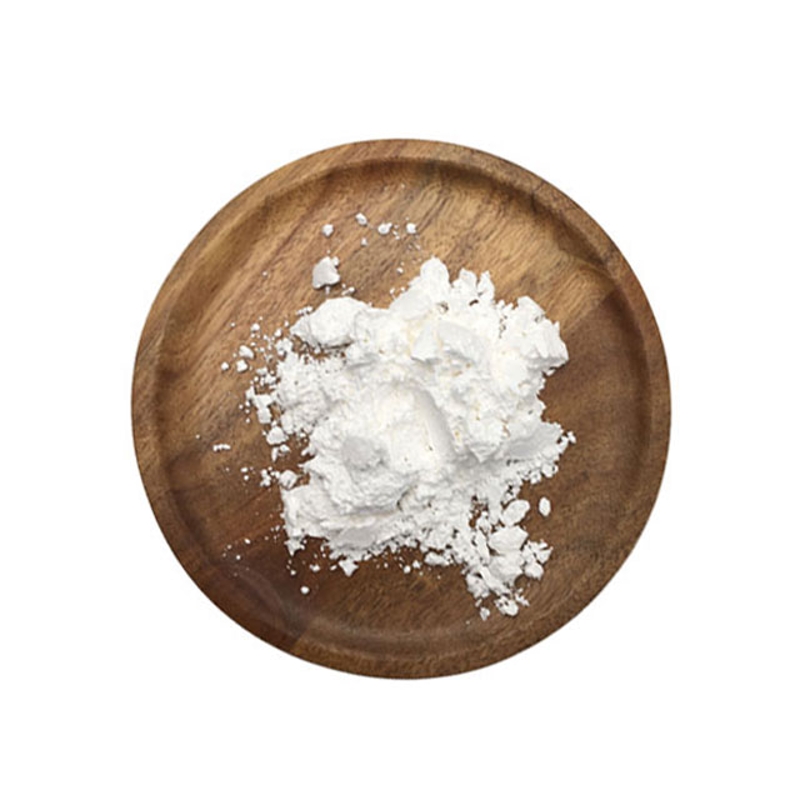
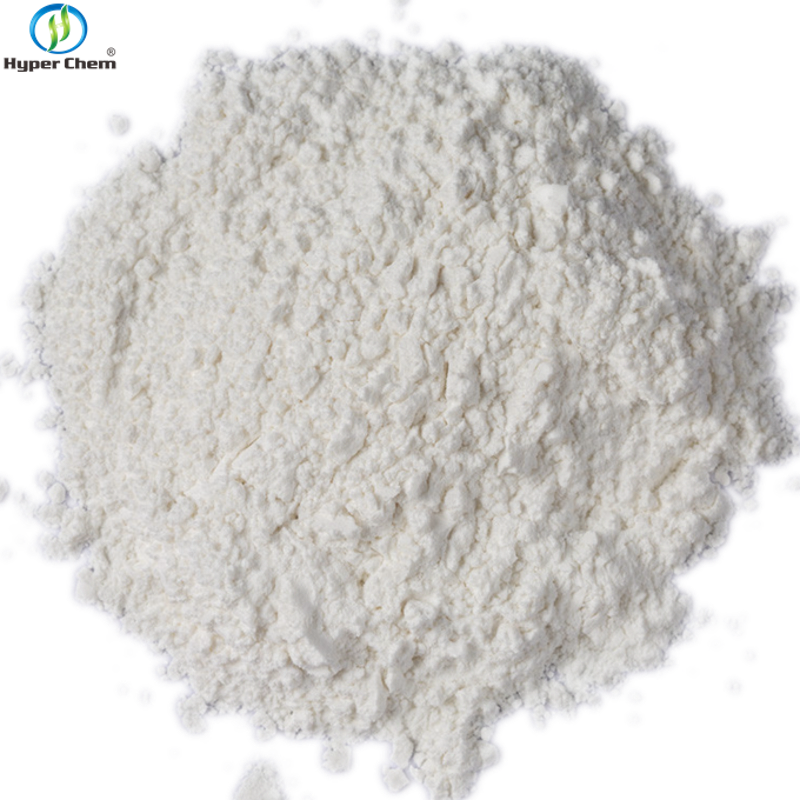
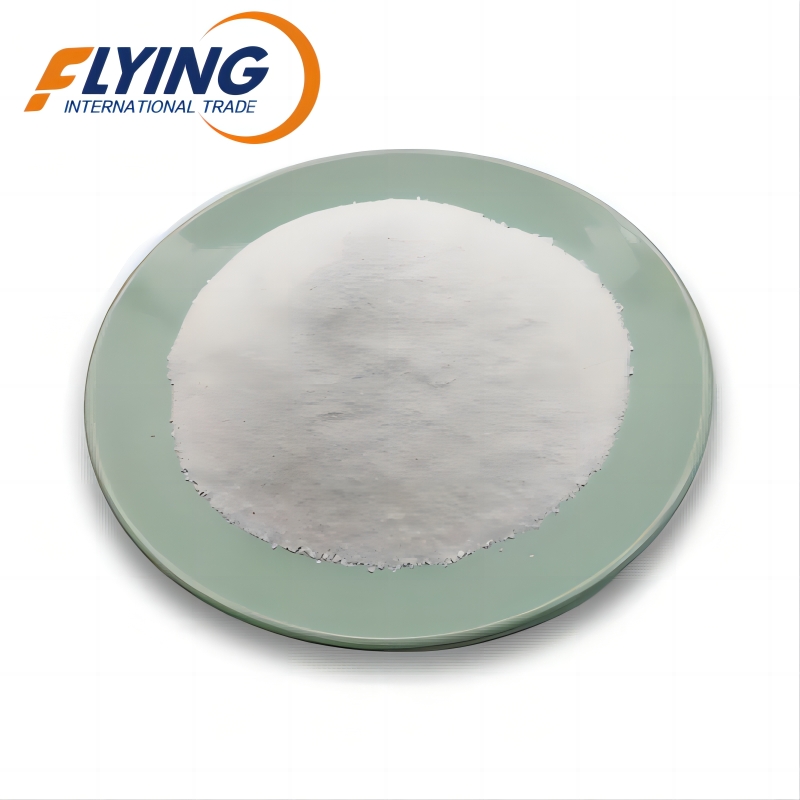
    Appearance White powder
    Purity 99%
    Specification size 10mg/1vial,10vials/box
    Shop Melatonin, Circadian rhythm regulation, Antioxidant activity, Free radical scavenging, Cell homeostasis, Cell protection, Research raw material, In vi-Detailed Image 1
    Shop Melatonin, Circadian rhythm regulation, Antioxidant activity, Free radical scavenging, Cell homeostasis, Cell protection, Research raw material, In vi-Detailed Image 2
    Shop Melatonin, Circadian rhythm regulation, Antioxidant activity, Free radical scavenging, Cell homeostasis, Cell protection, Research raw material, In vi-Detailed Image 3
    Shop Melatonin, Circadian rhythm regulation, Antioxidant activity, Free radical scavenging, Cell homeostasis, Cell protection, Research raw material, In vi-Detailed Image 4
    Shop Melatonin, Circadian rhythm regulation, Antioxidant activity, Free radical scavenging, Cell homeostasis, Cell protection, Research raw material, In vi-Detailed Image 5
    Shop Melatonin, Circadian rhythm regulation, Antioxidant activity, Free radical scavenging, Cell homeostasis, Cell protection, Research raw material, In vi-Detailed Image 6
    Shop Melatonin, Circadian rhythm regulation, Antioxidant activity, Free radical scavenging, Cell homeostasis, Cell protection, Research raw material, In vi-Detailed Image 7
    Shop Melatonin, Circadian rhythm regulation, Antioxidant activity, Free radical scavenging, Cell homeostasis, Cell protection, Research raw material, In vi-Detailed Image 8
    Shop Melatonin, Circadian rhythm regulation, Antioxidant activity, Free radical scavenging, Cell homeostasis, Cell protection, Research raw material, In vi-Detailed Image 9
    Shop Melatonin, Circadian rhythm regulation, Antioxidant activity, Free radical scavenging, Cell homeostasis, Cell protection, Research raw material, In vi-Detailed Image 10
    Shop Melatonin, Circadian rhythm regulation, Antioxidant activity, Free radical scavenging, Cell homeostasis, Cell protection, Research raw material, In vi-Detailed Image 11
    ECHEMI Editorial Reference
    Melatonin is a hormone made by the pineal gland that can activates melatonin receptor. Melatonin plays a role in sleep and possesses important antioxidative and anti-inflammatory properties.

    Certificates
    • Melatonin CAS 73-31-4  Factory Wholesale High Purity Hot selling 10mg Certificates 1 TDS

    Basic Info
    Product Name:

    Melatonin

    Other Name:

    Acetamide,N-[2-(5-methoxy-1H-indol-3-yl)ethyl]-;Acetamide,N-[2-(5-methoxyindol-3-yl)ethyl]-;N-[2-(5-Methoxy-1H-indol-3-yl)ethyl]acetamide;N-Acetyl-5-methoxytryptamine;Melatonin;Melatonine;5-Methoxy-N-acetyltryptamine;N-[2-(5-Methoxyindol-3-yl)ethyl]acetamide;Regulin;Melovine;Circadin;Melatol;NSC 113928;NSC 56423;3-(2-Acetamidoethyl)-5-methoxyindole;Melaxen;Slenyto;942407-96-7;1581233-31-9

    CAS No.:

    73-31-4

    Molecular Formula:

    C13H16N2O2

    InChIKeys:

    InChIKey=DRLFMBDRBRZALE-UHFFFAOYSA-N

    Molecular Weight:

    232.27800

    Exact Mass:

    232.28

    EC Number:

    200-797-7

    HScode:

    2932999099

    Characteristics
    PSA:

    54.12000

    XLogP3:

    0.8

    Appearance:

    Solid

    Density:

    1.269 g/cm3

    Melting Point:

    117 °C

    Boiling Point:

    512.8ºC at 760 mmHg

    Flash Point:

    264ºC

    Refractive Index:

    1.6

    Water Solubility:

    >34.8 [ug/mL]

    Storage Conditions:

    -15ºC

    Vapor Pressure:

    1.4X10⁻⁷ mm Hg at 25 deg C (est)

    Toxicity:

    LD50 orally in Rabbit: > 3200 mg/kg

    Hazard Identification

    Classification of the substance or mixture

    Not classified.

    GHS label elements, including precautionary statements

    Pictogram(s) No symbol.
    Signal word

    No signal word

    Hazard statement(s)

    none

    Precautionary statement(s)
    Prevention

    none

    Response

    none

    Storage

    none

    Disposal

    none

    Other hazards which do not result in classification

    no data available

    Handling and Storage

    Precautions for safe handling

    Handling in a well ventilated place. Wear suitable protective clothing. Avoid contact with skin and eyes. Avoid formation of dust and aerosols. Use non-sparking tools. Prevent fire caused by electrostatic discharge steam.

    Conditions for safe storage, including any incompatibilities

    Store the container tightly closed in a dry, cool and well-ventilated place. Store apart from foodstuff containers or incompatible materials.

  • Seller Information
    Business Type:

    Trader

    Main Products:

    Peptides,Cosmetic Raw Materials,Pharmaceutical Intermediates

    Location:

    Room 1359, Room 103, Building Jia 19, Jixiang Garden, Tongzhou District, Beijing

    Year of Establishment:

    2026

  • Inquiry History
    33 Inquiries
    Country Product Purchase Quantity Date Posted
    United States

    High Purity 99% White Powder Melatoninfor Sleeping Promotion Cas 73-31-4 Melatonine

    5 MT Jun 11, 2024
    United States

    China sleep Melatonine powder API Raw Material 99% Melatonin CAS 73-31-4

    5 MT Jun 11, 2024
    Pakistan

    melatonin

    25 KG Mar 4, 2026
    Germany

    Melatonin

    1 KG Oct 9, 2026
    Spain

    Melatonin powder

    1 KG Aug 26, 2026
    Germany

    Melatonin

    500 MG Aug 25, 2026
    Jordan

    Melatonin

    1 MT Aug 21, 2026
    United Kingdom

    melatonin powder

    100 G Jul 6, 2026
    Netherlands

    Melatonin

    50 G Jun 1, 2026
    Lebanon

    Melatonin

    1 KG May 9, 2026
    Germany

    Melatonin

    30 G Mar 17, 2026
    Uzbekistan

    Melatonine

    100 KG Jan 26, 2026
    India

    Melatonine

    50.00 KG Jul 16, 2025
    United Kingdom

    Melatonin

    1000 MT Apr 22, 2025
    India

    Melatonin

    5 KG Nov 18, 2024
    Germany

    Melatonin

    1 KG Sep 25, 2026
    Vietnam

    melatonin

    5 G Jul 16, 2026
    Netherlands

    Melatonin

    500 G Jun 4, 2026
    India

    Melatonin

    50.00 KG May 11, 2026
    Egypt

    Melatonin

    10 KG Jan 20, 2026
    • 1
    • 2
    • Go to Page Go
    Post an enquiry for this product
pic ×

Scan the QR Code to Share

All products displayed on this website are only for non-medical purposes such as industrial applications or scientific research, and cannot be used for clinical diagnosis or treatment of humans or animals. They are not medicinal or edible.

According to relevant laws and regulations and the regulations of this website, units or individuals who purchase hazardous materials should obtain valid qualifications and qualification conditions.

The information shown above is provided by the enterprise itself, and the authenticity, accuracy and legitimacy of the content are the responsibility of the publishing company. ECHEMI does not bear any guarantee responsibility for this. Please be aware that risks in internet transactions objectively exist.

Feedback & Suggestions
Send Message

Thank you for your feedback. If you require further assistance, please contact us by email at info@echemi.com or call us at +86-532-55729510.