




Cosmetic Ingredient
- • Abrasive (124)
- • Absorbent (84)
- • Anticaking (66)
- • Anticorrosive (25)
- • Antifoaming (19)
- • Antimicrobials (291)
- • Antioxidant Ingredient (393)
- • Antiperspirant (20)
- • Antiplaque (48)
- • Anti-seborrheic (38)
- • Anti-sebum (38)
- • Antistatic (457)
- • Astringent (162)
- • Binding Agent (171)
- • Bleaching Agent (53)
- • Buffering (190)
- • Bulking (109)
- • Chelating (122)
- • Cleansing (680)
- • Cosmetic Colorant (212)
- • Cosmetic Preservative (158)
- • Denaturant (45)
- • Deodorant (98)
- • Depilatory (27)
- • Dissolving Agent (297)
- • Emollient (795)
- • Emulsifying Agent (481)
- • Emulsion Stabilising (153)
- • Exfoliating (19)
- • Film Forming (299)
- • Flavouring (72)
- • Foam Boosting (161)
- • Foaming (101)
- • Fragrance Ingredient (732)
- • Gel Forming (19)
- • Hair Conditioning (672)
- • Hair Dyeing (363)
- • Hair Fixing (36)
- • Hair Waving or Straightening (45)
- • Humectant (281)
- • Hydrotrope (92)
- • Keratolytic (20)
- • Light Stabilizer (77)
- • Moisturising Agent (50)
- • Nail Conditioning (42)
- • Occlusive (20)
- • Opacifying (119)
- • Oral Care (123)
- • Oxidising (19)
- • Perfuming (2106)
- • Plasticiser (98)
- • Propellant (19)
- • Reducing (51)
- • Refatting (12)
- • Refreshing (27)
- • Skin Cleansing (387)
- • Skin Conditioning (1747)
- • Skin Humectant (21)
- • Skin Protecting (281)
- • Smoothing (32)
- • Soothing (72)
- • Tonics (155)
- • UV Filter (33)
- • Viscosity Controlling (530)
Chemicals as Skincare Ingredients
Related News
-
FDA Lifts Administrative Stay, Restoring Red No. 3 Ban Timeline for Food and Ingested Drugs
2026-08-07 -
Low Inventory and Reduced Supply Trigger Price Hikes for Acrylonitrile in the Off-Season in China
2026-08-08 -
Premium Global Chemical Sourcing Requests (20-22July, 2026)
2026-08-05 -
Cost Values and Demand-Side Game: PP Prices Consolidate After Rising in July
2026-08-02 -
Premium Global Chemical Sourcing Requests (30 July-2Aug, 2026)
2026-08-05 -
Premium Global Chemical Sourcing Requests (6-9Aug, 2026)
2026-08-10


Antifoaming
Antifoaming
Simethicone
(8050-81-5)-

Cosmetics Grade / 100%
-

Cosmetics Grade / 99%
-

Pharmaceutical Grade / 99.9%
-




Request for quotation , get quotes from more suppliers.
Phenyltris(trimethylsiloxy)silane
(2116-84-9)-
silane cas 2116-84-9")
-
silane")
- / 99.00%
-
silane, CAS:2116-84-9")
Reagent Grade / 99%
$78-82/KG FOB
-
silane phenyltrimeticone")
Pharmaceutical Grade / 98%
$500-600/KG FOB

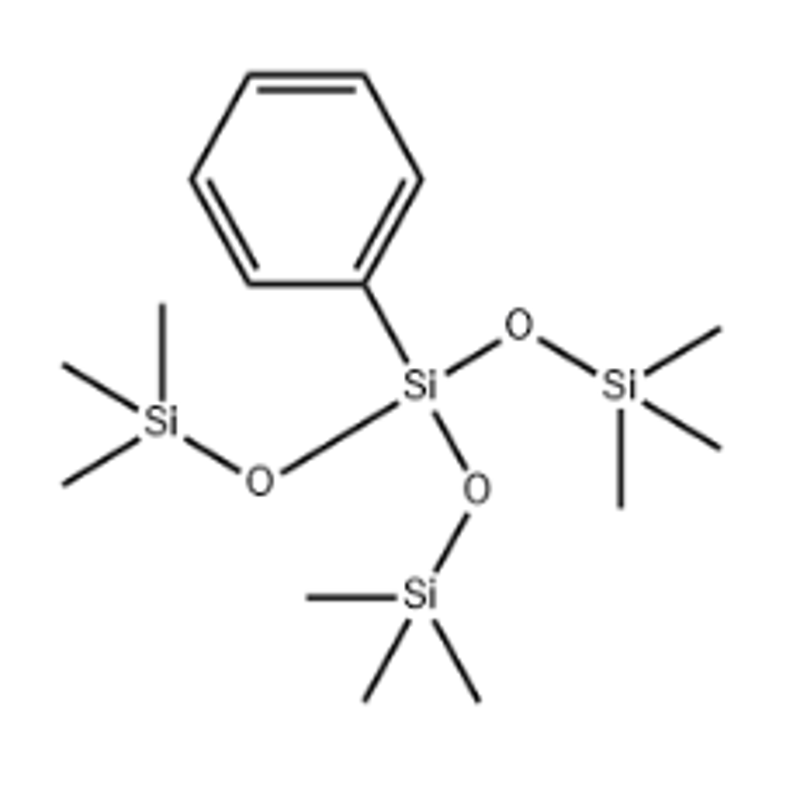
Request for quotation , get quotes from more suppliers.
-

Cosmetics Grade / -
-

$1-1.2/KG FOB
-
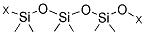
, HYDROXY TERMINATED 99% high purity certified Professional producer Greenbo")
Industrial Grade / 99%
-

Pharmaceutical Grade / 99%


Request for quotation , get quotes from more suppliers.
Octamethyltrisiloxane
(107-51-7)-

Industrial Grade / 99%
-
, HYDROXY TERMINATED")
-

-
, HYDROXY TERMINATED")
Industrial Grade / 99%


Request for quotation , get quotes from more suppliers.
-
; CAS 9005-12-3 99.0% Colorless transparent liquid CAS 9005-12-3 Honour")
Industrial Grade / 99.0%
-

Industrial Grade / 99%
-

-
![buy Poly[oxy(methylphenylsilylene)]]( "Poly[oxy(methylphenylsilylene)]")


![buy Poly[oxy(methylphenylsilylene)]](https://file.echemi.com/fileManage/upload/canonicalSmiles/20220812/874e9025d2fe4906b3e8a9ce3fef7c7b.png "Poly[oxy(methylphenylsilylene)]")
Request for quotation , get quotes from more suppliers.
-

Food Grade / 99%
-

-

Industrial Grade / 99.99%
-

Industrial Grade / 99.5%


Request for quotation , get quotes from more suppliers.
-

Industrial Grade / 99%
-

- / 0.99%
-

Industrial Grade / 99%
$0.1/KG EXW
-

Industrial Grade / pharmaceutical grade / 99%
$1/MT EXW

Request for quotation , get quotes from more suppliers.
Lubricant base
(8002-05-9)-

Industrial Grade / 98%
-

Different Grade / 99.9%
$0.1/KG EXW
-

-
")
- / 95%
-
 sebacate")
Industrial Grade / 99.0%
-
 decanedioate")
-
 sebacate")
-
 sebacate")

Request for quotation , get quotes from more suppliers.
More Information
Antifoaming agents are essential components in formulating cosmetic products to prevent excessive foam formation, especially in formulations like cleansers and shampoos. They work by disrupting the surface tension of liquids, thereby minimizing the formation of bubbles. This prevents foam buildup, ensuring the product's texture remains smooth and manageable during use.
When antifoaming agents are incorporated into formulations, they act to destabilize the liquid's surface tension, preventing the aggregation of bubbles. This disruption helps maintain the product's consistency and prevents it from becoming overly frothy, which can hinder its effectiveness.
In cosmetic formulations, antifoaming are used in:
•Cleansers
•Shampoos
•Liquid soaps
Frequently Asked Questions
An antifoaming agent, also known as a defoamer, is a chemical additive used to reduce or prevent the formation of foam in industrial processes. It works by disrupting the surface tension of foam bubbles, causing them to collapse. Antifoaming agents are commonly used in industries such as food processing, pharmaceuticals, wastewater treatment, and chemical manufacturing where excessive foam can interfere with operations, reduce efficiency, or compromise product quality.
Common types of antifoaming agents include silicone-based, mineral oil-based, polyether-based, and water-based formulations. Silicone antifoams offer high efficiency and thermal stability, making them suitable for harsh conditions. Mineral oil-based defoamers are cost-effective and widely used in food and beverage applications. Polyether antifoams are effective in systems requiring good compatibility with aqueous solutions, while water-based options are environmentally friendly and easy to disperse. The choice depends on the specific application, pH, temperature, and regulatory requirements.
Selecting the right antifoaming agent involves considering several factors:1. The nature of the foaming system (aqueous, acidic, alkaline, or solvent-based).2. Operating conditions such as temperature, pressure, and agitation.3. Regulatory compliance—especially in food, pharmaceutical, or cosmetic applications (e.g., FDA or EU approval).4. Compatibility with other process chemicals to avoid side reactions.5. Required dosage and ease of dispersion.Consulting with a qualified supplier and conducting small-scale trials can help identify the most effective and economical solution.
Yes, certain antifoaming agents are approved for use in food and pharmaceutical applications, provided they meet strict regulatory standards. For example, food-grade antifoams must comply with FDA 21 CFR regulations or EU food additive guidelines, while pharmaceutical-grade defoamers must adhere to pharmacopeial standards like USP or EP. These formulations typically use highly purified ingredients such as food-grade silicones or vegetable oils. Always verify that the product carries appropriate certifications and is labeled for your intended use.
Indicators that your process may require an antifoaming agent include:1. Overflowing tanks or vessels due to excessive foam.2. Reduced pumping or mixing efficiency caused by air entrainment.3. Inconsistent product quality or batch yields.4. Extended processing times or cleaning cycles.5. Foaming during filling, bottling, or packaging operations.If foam is interfering with productivity, safety, or product integrity, evaluating and implementing an appropriate antifoaming solution is recommended.