




Inorganic Chemistry
- • Elementary Substance (191)
- • Industrial Gases (21)
- • Inorganic Bases (56)
- • Inorganic Acid (57)
- • Inorganic Salts (1922)
- • Oxides and Peroxides (187)
- • Silica gel (5)
- • Non-metallic Minerals (14)
- • Coating Materials (24)
- • Phosphorus Compounds (50)
- • Iron Compounds (22)
- • Bromine Compounds (20)
Related News
-
How to make bromine water and precautions to make
2022-12-28 -
What are the major two uses of bromine?Explain in brief.
2022-12-05 -
Is Bromine A Gas At Room Temperature? It Is Not And Here's Why
2022-08-03 -
Can you tell me the laboratory preparation of bromine?
2022-05-16 -
The price of bromine reached the highest in ten years, and the flame retardant tetrabromobisphenol A also hit a new high
2021-10-20 -
Lanxess set to join hands with Standard Lithium for lithium recovery in US
2018-12-03


Bromine Compounds
Bromine Compounds
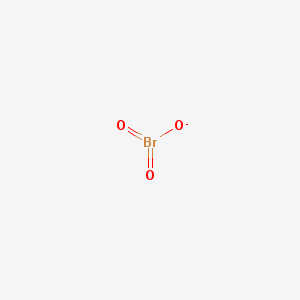
Bromate
(15541-45-4)-

Industrial Grade / 99.0%
-

-

-


Request for quotation , get quotes from more suppliers.
-

Industrial Grade / 99.0%
-

-

-


Request for quotation , get quotes from more suppliers.
-

-

-

Industrial Grade / 99%
-



Request for quotation , get quotes from more suppliers.
Barium bromate
(13967-90-3)-

Industrial Grade / 99.0%
-

-

-

Industrial Grade / 99%


Request for quotation , get quotes from more suppliers.
Bromine chloride (BrCl)
(13863-41-7)-

-

Industrial Grade / 99%
-

Different Grade / 99.9%
-

Industrial Grade / 90%


Request for quotation , get quotes from more suppliers.
Frequently Asked Questions
Bromine compounds are chemical substances containing bromine, a halogen element known for its reactivity and versatility. Common types include methyl bromide, ethylene dibromide, and sodium bromide. These compounds are widely used in flame retardants, pharmaceuticals, water treatment, agricultural fumigants, and oil & gas drilling fluids. Their diverse applications stem from bromine’s ability to inhibit combustion, act as a biocide, or serve as an intermediate in organic synthesis.
Bromine-based flame retardants function by interfering with the fire triangle—heat, oxygen, and fuel—during the combustion process. When exposed to heat, these compounds release bromine radicals that scavenge high-energy free radicals in the flame, effectively slowing or stopping the chain reaction of combustion. They are commonly added to plastics, textiles, and electronics to enhance fire safety without significantly altering material properties.
When handled according to regulatory guidelines and safety protocols, many bromine compounds are safe for industrial use. However, certain brominated substances—such as polybrominated diphenyl ethers (PBDEs)—have faced restrictions due to environmental persistence and potential health concerns. Reputable manufacturers comply with regulations like REACH and EPA standards, offering safer alternatives such as tetrabromobisphenol-A (TBBPA) or decabromodiphenyl ethane. Always verify safety data sheets (SDS) and regulatory compliance before procurement.
When sourcing bromine compounds, evaluate the supplier’s certifications (e.g., ISO 9001, ISO 14001), adherence to GMP or chemical safety standards, and consistency in product purity. Request documentation such as certificates of analysis (CoA), safety data sheets (SDS), and evidence of sustainable production practices. Reliable suppliers also provide technical support, batch traceability, and stable logistics—critical for industries like pharmaceuticals or electronics where quality control is paramount.
In water treatment, bromine compounds—particularly sodium bromide combined with oxidizers or bromochlorodimethylhydantoin (BCDMH)—are used as disinfectants to kill bacteria, algae, and viruses. They are especially effective in cooling towers, swimming pools, and industrial wastewater systems due to their stability over a wide pH range and reduced odor compared to chlorine. Bromine-based biocides offer efficient microbial control with lower corrosivity, making them a preferred choice in specific aquatic environments.