




Cosmetic Ingredient
- • Abrasive (124)
- • Absorbent (84)
- • Anticaking (66)
- • Anticorrosive (25)
- • Antifoaming (19)
- • Antimicrobials (291)
- • Antioxidant Ingredient (393)
- • Antiperspirant (20)
- • Antiplaque (48)
- • Anti-seborrheic (38)
- • Anti-sebum (38)
- • Antistatic (457)
- • Astringent (162)
- • Binding Agent (171)
- • Bleaching Agent (53)
- • Buffering (190)
- • Bulking (109)
- • Chelating (122)
- • Cleansing (680)
- • Cosmetic Colorant (212)
- • Cosmetic Preservative (158)
- • Denaturant (45)
- • Deodorant (98)
- • Depilatory (27)
- • Dissolving Agent (297)
- • Emollient (795)
- • Emulsifying Agent (481)
- • Emulsion Stabilising (153)
- • Exfoliating (19)
- • Film Forming (299)
- • Flavouring (72)
- • Foam Boosting (161)
- • Foaming (101)
- • Fragrance Ingredient (732)
- • Gel Forming (19)
- • Hair Conditioning (672)
- • Hair Dyeing (363)
- • Hair Fixing (36)
- • Hair Waving or Straightening (45)
- • Humectant (281)
- • Hydrotrope (92)
- • Keratolytic (20)
- • Light Stabilizer (77)
- • Moisturising Agent (50)
- • Nail Conditioning (42)
- • Occlusive (20)
- • Opacifying (119)
- • Oral Care (123)
- • Oxidising (19)
- • Perfuming (2106)
- • Plasticiser (98)
- • Propellant (19)
- • Reducing (51)
- • Refatting (12)
- • Refreshing (27)
- • Skin Cleansing (387)
- • Skin Conditioning (1747)
- • Skin Humectant (21)
- • Skin Protecting (281)
- • Smoothing (32)
- • Soothing (72)
- • Tonics (155)
- • UV Filter (33)
- • Viscosity Controlling (530)
Chemicals as Skincare Ingredients
Related News
-
EAEU Initiates Review of Anti-Dumping Measures on Chinese Titanium Dioxide, Suspends Duties During Investigation
2026-08-14 -
US Tariff Pressure on Canada Raises Risks for North American Chemical Supply Chains
2026-08-22 -
Premium Global Chemical Sourcing Requests (17-19Aug, 2026)
2026-08-20 -
Premium Global Chemical Sourcing Requests (13-16Aug, 2026)
2026-08-17 -
Premium Global Chemical Sourcing Requests (10-12Aug, 2026)
2026-08-13 -
Business Society’s Market Outlook for Acrylic Acid on August 19, 2026: Weak Rebound
2026-08-19


Chelating
Chelating
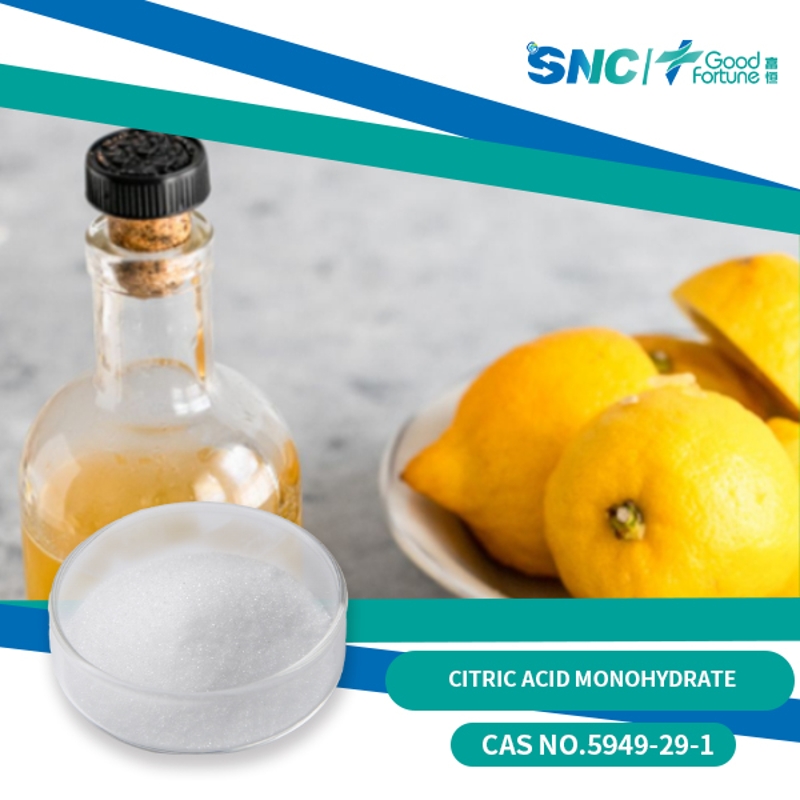
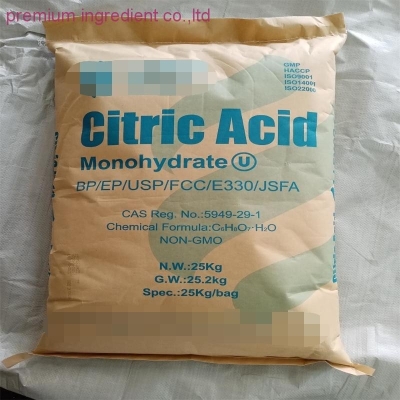
2-Hydroxy-1,2,3-propanetricarboxylic acid hydrate (1:1)
(5949-29-1)-

Food Grade / 99%
-

Food Grade / 99.5%
$872.29/MT EXW
-

BP/EP/USP/FCC grade / 99%
-

Food Grade / 99%
$560-580/MT FOB


2-Phosphonobutane-1,2,4-tricarboxylic acid
(37971-36-1)-

Industrial Grade / 99%
-

- / 99.00%
-

-




Request for quotation , get quotes from more suppliers.
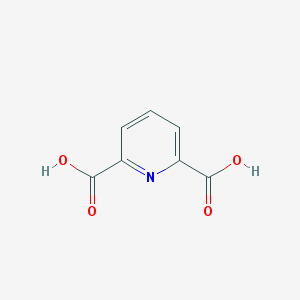
2,6-Pyridinedicarboxylic acid
(499-83-2)-

Industrial Grade / 98%
-

-

- / 99.00%
-

- / 99.00%



-

Industrial Grade / 99.0%
-

-

-



Request for quotation , get quotes from more suppliers.
Frequently Asked Questions
Chelating agents are chemical compounds that form multiple bonds with metal ions, creating stable, water-soluble complexes. This process, known as chelation, effectively deactivates or removes metal ions from solutions. Chelating agents are widely used in industries such as pharmaceuticals, agriculture, water treatment, and food processing to control metal ion activity, prevent oxidation, and improve product stability.
Common chelating agents include EDTA (ethylenediaminetetraacetic acid), DTPA (diethylenetriaminepentaacetic acid), NTA (nitrilotriacetic acid), and citric acid. Each has specific strengths depending on pH, metal ion type, and environmental considerations. For example, EDTA is highly effective across a broad pH range, while citric acid is preferred in eco-friendly or food-grade applications due to its biodegradability.
Selecting the appropriate chelating agent depends on several factors:1. The target metal ion(s) you need to bind.2. The pH and temperature of your system.3. Regulatory and environmental requirements—e.g., biodegradability for wastewater discharge.4. Compatibility with other ingredients in your formulation.Consulting technical data sheets and supplier expertise can help ensure optimal performance and compliance.
Yes, certain chelating agents like citric acid, calcium disodium EDTA, and sodium citrate are approved by regulatory bodies such as the FDA and EFSA for use in food and pharmaceuticals. They help preserve color, flavor, and shelf life by sequestering metal catalysts that promote spoilage. However, usage levels must comply with established safety limits to ensure consumer safety.
In water treatment, chelating agents prevent scale formation and corrosion by binding calcium, magnesium, iron, and other metal ions that contribute to hardness and oxidative damage. They also enhance the efficiency of detergents and disinfectants by keeping metal ions in solution. Chelants like EDTA and phosphonates are commonly used in cooling towers, boilers, and municipal water systems to maintain equipment integrity and water quality.