




Pharmaceutical Intermediates
- • Analgesics (59)
- • Anesthetics (52)
- • Anti-Addiction Agents (8)
- • Antibacterials (118)
- • Anticonvulsants (20)
- • Antidementia Agents (23)
- • Antidepressants (35)
- • Antiemetics (24)
- • Antifungals (24)
- • Antigout Agents (9)
- • Anti-inflammatory Agents (28)
- • Antimigraine Agents (21)
- • Antineoplastics (430)
- • Antiparasitics (11)
- • Antiparkinson Agents (28)
- • Antipsychotics (54)
- • Antispasticity Agents (12)
- • Antivirals (146)
- • Anxiolytics (16)
- • Blood Glucose Regulators (106)
- • Blood Products (61)
- • Cardiovascular Agents (179)
- • CNS Agents (22)
- • Dental and Oral Agents (8)
- • Dermatological Agents (19)
- • Electrolytes (15)
- • Gastrointestinal Agents (63)
- • Genetic/Enzyme Disorder (12)
- • Genitourinary Agents (47)
- • Immunological Agents (36)
- • Metabolic Bone Disease (6)
- • Ophthalmic Agents (477)
- • Respiratory Tract (51)
- • Skeletal Muscle Relaxants (5)
- • Sleep Disorder Agents (28)
- • Oled Material Intermediate (333)
- • Heterocyclic Compound (9773)
- • Bulk Drug Intermediates (17915)
Related News
-
EAEU Initiates Review of Anti-Dumping Measures on Chinese Titanium Dioxide, Suspends Duties During Investigation
2026-08-14 -
Pakistan Launches Successive Anti-dumping Investigations against Chinese Products, Involving Soda Ash, Ibuprofen and Other Raw Materials
2026-08-10 -
Premium Global Chemical Sourcing Requests (6-9Aug, 2026)
2026-08-10 -
Premium Global Chemical Sourcing Requests (17-19Aug, 2026)
2026-08-20 -
Premium Global Chemical Sourcing Requests (13-16Aug, 2026)
2026-08-17 -
Premium Global Chemical Sourcing Requests (10-12Aug, 2026)
2026-08-13


Central Nervous System Agents Intermediates
CNS Agents
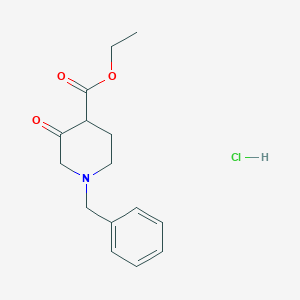
Ethyl 1-benzyl-3-oxopiperidine-4-carboxylate hydrochloride
(52763-21-0)-

- / 99.00%
-

-

-



Request for quotation , get quotes from more suppliers.
Ethyl 5-methylisoxazole-4-carboxylate
(51135-73-0)-

Industrial Grade / pharmaceutical grade / 99%
-

pharmaceutical grade / 98%
-

Industrial Grade / 99%
-


Request for quotation , get quotes from more suppliers.
-

Industrial Grade,Pharma Grade / 99%
-

Industrial Grade / 99.0%
-

-

Industrial Grade / 99%


Request for quotation , get quotes from more suppliers.
-

- / 99.00%
-

Industrial Grade / 99%
-

-


Request for quotation , get quotes from more suppliers.
More Information
CNS Agents Intermediates are vital raw materials used in the development of pharmaceutical products targeting the central nervous system. These intermediates serve as the building blocks for a range of therapeutic agents designed to treat disorders such as anxiety, depression, epilepsy, Parkinson's disease, and schizophrenia.
These intermediates are used to manufacture neurotransmitter-modulating drugs, antidepressants, antipsychotics, anticonvulsants, and anxiolytics. Their key role is in the synthesis of active pharmaceutical ingredients (APIs) that interact with receptors, enzymes, and pathways involved in the central nervous system, influencing mood, cognition, and motor function.
Common CNS Intermediates include:
- Serotonergic and dopaminergic intermediates for antidepressants and antipsychotics.
- GABA receptor modulators for anxiolytics and anticonvulsants.
- Glutamate pathway intermediates for neuroprotective and cognitive-enhancing agents.
- Cholinergic intermediates for treatments related to Alzheimer's disease and cognitive disorders.
Frequently Asked Questions
CNS (Central Nervous System) agents are pharmaceutical compounds that affect the brain and spinal cord to treat neurological and psychiatric conditions. They include antidepressants, antipsychotics, anxiolytics, sedatives, and stimulants. These agents modulate neurotransmitters such as serotonin, dopamine, and GABA to regulate mood, cognition, sleep, and behavior. Their mechanism of action varies by drug class but generally involves receptor binding, enzyme inhibition, or neurotransmitter reuptake blockade.
CNS agents are primarily used to manage a wide range of central nervous system disorders, including depression, anxiety, schizophrenia, epilepsy, insomnia, ADHD, and neurodegenerative diseases like Parkinson’s and Alzheimer’s. Specific applications depend on the drug class—for example, SSRIs for depression, benzodiazepines for anxiety, and antiepileptics for seizure control. Proper diagnosis and prescription are essential to ensure safe and effective treatment outcomes.
To ensure the quality and safety of CNS agent Active Pharmaceutical Ingredients (APIs), verify that suppliers comply with international regulatory standards such as FDA, EMA, or WHO guidelines and hold current Good Manufacturing Practice (GMP) certifications. Request comprehensive documentation including Certificates of Analysis (CoA), stability data, and impurity profiles. Additionally, assess the supplier’s track record, audit reports, and ability to provide regulatory support for drug registration.
When selecting a CNS agent manufacturer, consider: (1) Regulatory compliance and GMP certification; (2) Experience in synthesizing complex CNS molecules with strict purity requirements; (3) Robust quality control and analytical testing capabilities; (4) Scalability and reliability of supply chain; and (5) Technical support for regulatory filings and process optimization. Partnering with a manufacturer that specializes in CNS APIs often ensures better product consistency and reduced development risk.
Yes, many CNS agents require controlled storage conditions due to their chemical sensitivity and pharmacological potency. They are often stored at 2–8°C or under inert atmospheres to prevent degradation. Some may be light-sensitive or hygroscopic, necessitating amber glass containers or desiccant packaging. Handlers must follow occupational safety guidelines, including the use of PPE, due to potential toxicity or psychoactive effects upon exposure. Always refer to the Safety Data Sheet (SDS) for compound-specific protocols.