




Food Additives
- • Coating Agent (19)
- • Preservative (33)
- • Coloring Agent (41)
- • Gum Base Agent (25)
- • Anticaking Agent (7)
- • Food Antioxidants (41)
- • Enzyme (49)
- • Flour Treatment Agent (4)
- • Leavening Agent (1)
- • Bleach (3)
- • Other Food Additives (88)
- • Emulsifier (24)
- • Food Flavorings (31)
- • Water Retention Agent (1)
- • Acidity Regulators (8)
- • Sweeteners (36)
- • Stabilizer and Coagulants (4)
- • Defoamers (5)
- • Nutrition Supplements (172)
- • Thickener (31)
- • Odorants (29)
- • Colorant (16)
Related News
-
Hi & Fi Asia-China concluded successfully, and ECHEMI gained a lot from participating in the exhibition!
2024-06-21 -
An organic acid with a natural sour taste and antiseptic properties - lactic acid
2024-06-04 -
Citric acid, a widely used food additive
2024-06-04 -
Chinese National Health Commission Unveiling Innovative Food Additions: Paraguayan Holly Leaves, Yeast Protein, and Catechins Hit the Shelves
2023-12-15 -
Health Canada Grants Approval for Allura Red as a Food Additive in Fruit-Flavored Beer
2023-12-13 -
Daiya Foods Embraces Dairy-like Culturing Methods As It Unleashes Reformulated Plant-based Cheese
2023-12-12


Food Coloring Agent
Coloring Agent
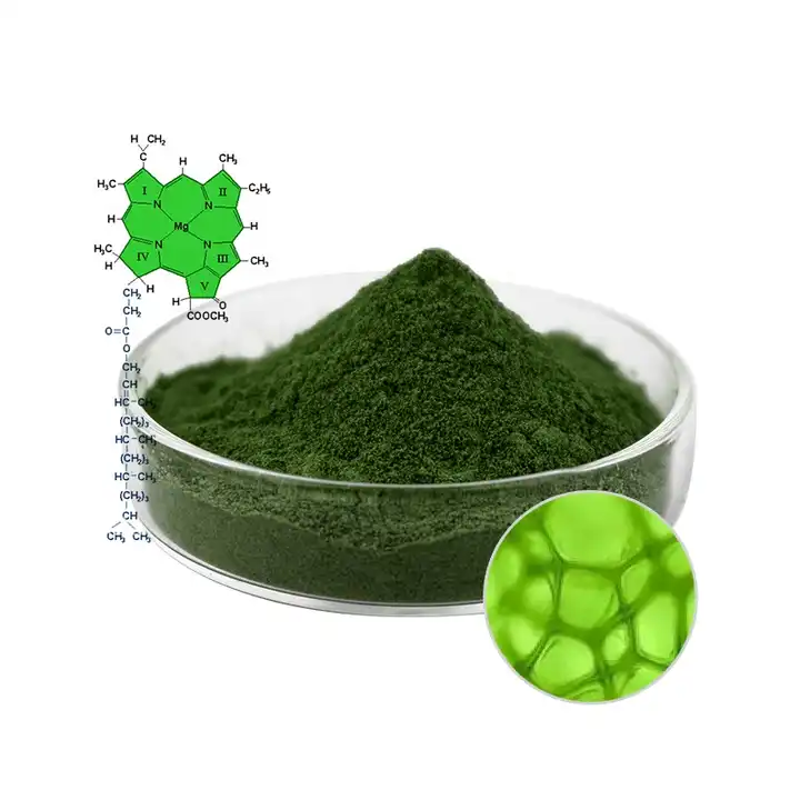
Chlorophylls
(1406-65-1)-

Food Grade / 99%
-

Chemical Grade / 99%
$1/KG FOB
-

Reagent Grade / 99%
$20-22/KG FOB
-

pharmaceutical grade / 99%


Request for quotation , get quotes from more suppliers.
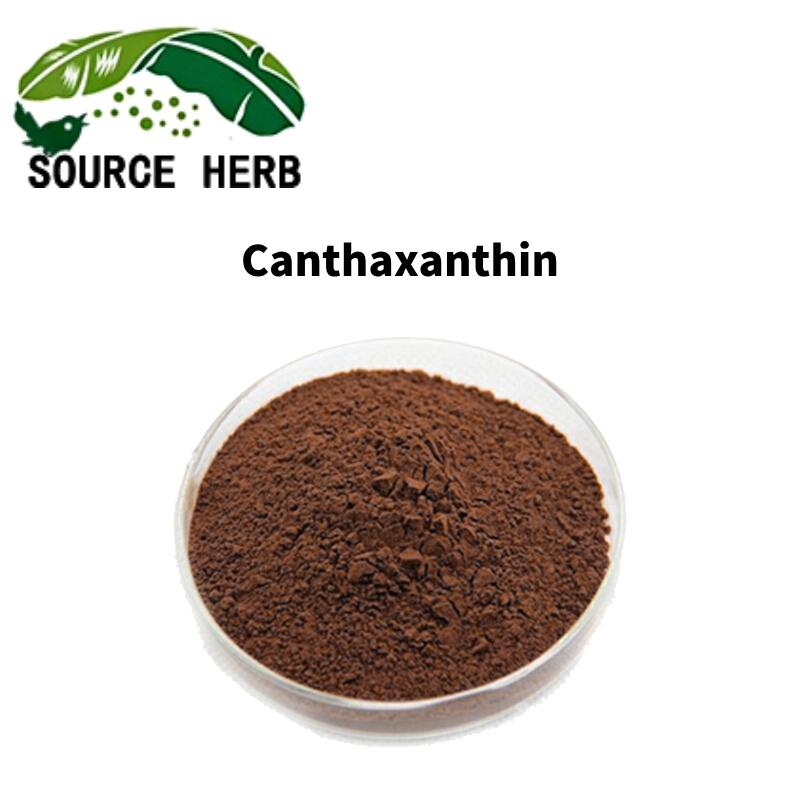
Canthaxanthin
(514-78-3)-

Food grade / 99%
-

Food Grade / 90%
$5/MT FOB
-

Food Grade / 10%
-

Food Grade / 10%


Request for quotation , get quotes from more suppliers.
Crocin
(42553-65-1)-

pharmaceutical grade/food grade / 99%
-

Food grade / 99%
-

Food Grade / 88%
-

Food Grade / 98%


Request for quotation , get quotes from more suppliers.
C.I. Acid Yellow 3
(8004-92-0)-

Food Grade / 28%
-

-

- / 99.00%
-

- / 70%



Request for quotation , get quotes from more suppliers.
Chlorophyll a
(479-61-8)-

Food Grade / 95%
$85/KG EXW
-

food Grade / 99%
$2/KG EXW
-

Industrial Grade / 99%
-

- / 99.00%


Request for quotation , get quotes from more suppliers.
Source Coloring Agent Products Supply
C.I. Solvent Red 80
(6358-53-8)-

Pharmaceutical Grade / 99%
-

- / 99.00%
-

- / 99%
-

Chemical Grade / 99%
$15-17/KG FOB


Request for quotation , get quotes from more suppliers.
Carthamus
(36338-96-2)-

- / 99.00%
-

Industrial Grade / 99.00%
-

-


Request for quotation , get quotes from more suppliers.
-
")
Industrial Grade / 98%
-
")
-

-
")
Request for quotation , get quotes from more suppliers.
Cyclooctanecarboxylicacid
(4103-15-5)-

Industrial Grade / 99.0%
-

-

-


Request for quotation , get quotes from more suppliers.
Cyclopentanecarboxylicacid,1-acetamido-,hydrazide(7CI,8CI)
(4854-68-6)-
")
Industrial Grade / 99.0%
-
![buy N-[1-(hydrazinecarbonyl)cyclopentyl]acetamide]( "N-[1-(hydrazinecarbonyl)cyclopentyl]acetamide")
-
")
-
")
Industrial Grade / 99%

Request for quotation , get quotes from more suppliers.
Frequently Asked Questions
A coloring agent is a substance added to products to impart or enhance color. It is widely used across industries such as food and beverages, pharmaceuticals, cosmetics, and textiles. In food, coloring agents improve visual appeal; in pharmaceuticals, they help differentiate dosage forms; and in cosmetics, they contribute to aesthetic value. Coloring agents can be natural (e.g., beetroot extract, turmeric) or synthetic (e.g., FD&C dyes). Understanding the application context ensures safe and compliant usage.
Natural coloring agents are derived from plant, animal, or mineral sources—examples include carotenoids, chlorophyll, and anthocyanins. They are often perceived as safer and more consumer-friendly but may offer less color stability and higher cost. Synthetic coloring agents, such as Allura Red or Tartrazine, provide vibrant, consistent hues and are more cost-effective, but face stricter regulatory scrutiny due to potential health concerns. The choice depends on product requirements, target market preferences, and compliance with regional regulations like FDA or EFSA standards.
To choose a safe and compliant food coloring agent, first verify that it is approved by relevant regulatory bodies such as the U.S. FDA, EU EFSA, or local food safety authorities. Check for certifications like Kosher, Halal, or non-GMO if required by your market. Consider the pH, temperature, and light stability of the coloring agent in your specific formulation. Always request a Certificate of Analysis (CoA) and ensure the supplier follows Good Manufacturing Practices (GMP). This minimizes health risks and ensures regulatory compliance throughout your supply chain.
Some synthetic coloring agents have been linked to potential health concerns, particularly in sensitive populations. For example, certain azo dyes like Yellow 5 (Tartrazine) may cause allergic reactions or hyperactivity in children, leading to warning labels in the EU. However, when used within established Acceptable Daily Intake (ADI) levels and approved by agencies like the FDA or JECFA, these additives are generally recognized as safe (GRAS). Manufacturers should stay updated on scientific reviews and regulatory changes to mitigate risks and maintain consumer trust.
The stability of coloring agents in cosmetics is influenced by several factors: pH levels (some dyes degrade in acidic or alkaline environments), exposure to light and heat (which can cause fading), and interactions with other ingredients like preservatives or surfactants. Oxidation and microbial contamination may also alter color performance. To ensure longevity and consistency, conduct compatibility testing during formulation development and select coloring agents specifically designed for cosmetic use with proven photostability and chemical inertness.