




Food Additives
- • Coating Agent (19)
- • Preservative (33)
- • Coloring Agent (40)
- • Gum Base Agent (25)
- • Anticaking Agent (7)
- • Food Antioxidants (41)
- • Enzyme (49)
- • Flour Treatment Agent (4)
- • Leavening Agent (1)
- • Bleach (3)
- • Other Food Additives (90)
- • Emulsifier (25)
- • Food Flavorings (30)
- • Water Retention Agent (1)
- • Acidity Regulators (6)
- • Sweeteners (36)
- • Stabilizer and Coagulants (4)
- • Defoamers (5)
- • Nutrition Supplements (171)
- • Thickener (30)
- • Odorants (29)
- • Colorant (16)
Related News
-
VIV Africa 2026: A Look at Who's Coming to Kigali
2026-09-01 -
FDA Lifts Administrative Stay, Restoring Red No. 3 Ban Timeline for Food and Ingested Drugs
2026-08-07 -
U.S. Delays Mandatory GRAS Notification Proposal, Pushing Food-Additive Overhaul to Year-End
2026-07-21 -
Hi & Fi Asia-China concluded successfully, and ECHEMI gained a lot from participating in the exhibition!
2024-06-21 -
An organic acid with a natural sour taste and antiseptic properties - lactic acid
2024-06-04 -
Citric acid, a widely used food additive
2024-06-04


Emulsifier Featured Products
Emulsifier
Propylene glycol monostearate
(1323-39-3)-

- / 99.00%
-

-
")
industrial Grade / 98%
-

Pharmaceutical Grade / 99%
$3890-4200/MT FOB


Request for quotation , get quotes from more suppliers.
Dodecanamide
(1120-16-7)-

food Grade / 99%
$2/KG EXW
-

Pharmaceutical Grade / 99%
-

Industrial Grade / 99%
-

Industrial Grade / 99.0%



Request for quotation , get quotes from more suppliers.
alpha-d-Glucopyranoside, beta-d-fructofuranosyl, octadecanoate
(37318-31-3)-

Food Grade / 80%
-

Food Grade / 98%
-

Food Grade / 99%
-

Food Grade / 80%


Request for quotation , get quotes from more suppliers.
Sodium caseinate
(9005-46-3)-

food grade / 99%
-

Food Grade / 99%
$8.2/KG FOB
-

Food Grade / 99%
$10-10.5/KG FOB
-

Food Grade / 99%
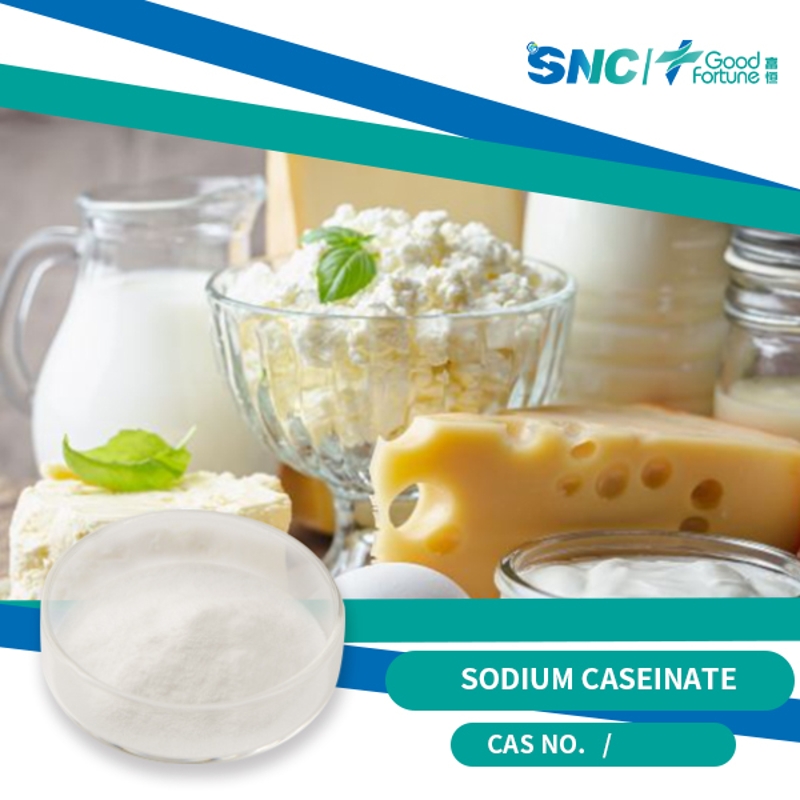


Request for quotation , get quotes from more suppliers.
-

industrial Grade / 98%
-

Pharmaceutical Grade / 99%
-

Industrial Grade / 99%
-


Request for quotation , get quotes from more suppliers.
Calcium stearoyl-2-lactylate
(5793-94-2)-

Food Grade / 99%
-

Food Grade / 99%
-

Food Grade / 99%
-
")
Food Grade / 99.9%
$2.57/KG EXW


Request for quotation , get quotes from more suppliers.
Hexadecanamide
(629-54-9)-

food Grade / 99%
$2/KG EXW
-

USP / EP / BP / JP Grade / 99.9%
-

Industrial Grade / 98%
$1500-1600/KG EXW
-

Industrial Grade / 99%


Request for quotation , get quotes from more suppliers.
Sodium stearoyl lactylate
(25383-99-7)-

Food Grade / 98%
-

Food Grade / 99%
-

Food Grade / 100%
-

Food Grade / -


-

- / 0.00%
-

Pharmaceutical Grade / 99%
-

Industrial Grade / 99.0%
-



Request for quotation , get quotes from more suppliers.
-

Industrial Grade, Feed Grade, Food Grade, Pharma Grade / 99%
-

industrial Grade / 98%
-

Pharmaceutical Grade / 99%
-


Request for quotation , get quotes from more suppliers.
Frequently Asked Questions
An emulsifier is a substance that stabilizes an emulsion—a mixture of two or more immiscible liquids, such as oil and water. Emulsifiers work by reducing surface tension between the liquids, allowing them to blend smoothly and remain stable over time. They contain both hydrophilic (water-attracting) and lipophilic (oil-attracting) parts, enabling them to interact with both phases effectively. Common applications include food, cosmetics, pharmaceuticals, and industrial products.
Common food-grade emulsifiers include lecithin (often derived from soy or sunflower), mono- and diglycerides of fatty acids, polysorbates (e.g., polysorbate 60 or 80), and sodium stearoyl lactylate. These ingredients help improve texture, extend shelf life, and ensure uniform consistency in products like mayonnaise, ice cream, baked goods, and salad dressings. All approved food emulsifiers must meet safety standards set by regulatory bodies such as the FDA or EFSA.
Selecting the right emulsifier for cosmetics depends on several factors:1. The type of emulsion needed (oil-in-water or water-in-oil).2. Compatibility with other ingredients in the formula.3. Desired skin feel, stability, and appearance of the final product.4. Regulatory compliance and safety for topical use.Common cosmetic emulsifiers include cetearyl alcohol, glyceryl stearate, and PEG-based compounds. Always perform compatibility and stability testing before scaling up production.
Natural emulsifiers—such as beeswax, plant-derived lecithin, and acacia gum—can be effective but often provide less stability or require higher usage levels compared to synthetic alternatives like polysorbates or sorbitan esters. Their performance depends on the specific application, pH, temperature, and other formulation variables. While natural options appeal to clean-label or eco-conscious markets, formulators must balance efficacy, cost, and shelf-life requirements when choosing between natural and synthetic emulsifiers.
When sourcing emulsifiers for industrial applications, verify certifications relevant to your sector:• For food: FDA approval, EU food additive numbers (E-numbers), and Kosher/Halal if applicable.• For cosmetics: compliance with ISO 22716 (GMP for cosmetics) and INCI naming.• For pharmaceuticals: adherence to USP/NF or Ph. Eur. standards and GMP certification.• For general industrial use: REACH registration (in the EU) and SDS (Safety Data Sheet) availability.Reputable suppliers provide full documentation to ensure regulatory compliance and product traceability.