




Cosmetic Ingredient
- • Abrasive (124)
- • Absorbent (84)
- • Anticaking (66)
- • Anticorrosive (25)
- • Antifoaming (19)
- • Antimicrobials (291)
- • Antioxidant Ingredient (392)
- • Antiperspirant (20)
- • Antiplaque (48)
- • Anti-seborrheic (38)
- • Anti-sebum (38)
- • Antistatic (457)
- • Astringent (162)
- • Binding Agent (171)
- • Bleaching Agent (53)
- • Buffering (190)
- • Bulking (109)
- • Chelating (122)
- • Cleansing (680)
- • Cosmetic Colorant (212)
- • Cosmetic Preservative (158)
- • Denaturant (45)
- • Deodorant (98)
- • Depilatory (27)
- • Dissolving Agent (297)
- • Emollient (795)
- • Emulsifying Agent (481)
- • Emulsion Stabilising (153)
- • Exfoliating (19)
- • Film Forming (299)
- • Flavouring (72)
- • Foam Boosting (161)
- • Foaming (101)
- • Fragrance Ingredient (732)
- • Gel Forming (19)
- • Hair Conditioning (672)
- • Hair Dyeing (363)
- • Hair Fixing (36)
- • Hair Waving or Straightening (45)
- • Humectant (281)
- • Hydrotrope (92)
- • Keratolytic (20)
- • Light Stabilizer (77)
- • Moisturising Agent (50)
- • Nail Conditioning (42)
- • Occlusive (20)
- • Opacifying (119)
- • Oral Care (123)
- • Oxidising (19)
- • Perfuming (2106)
- • Plasticiser (98)
- • Propellant (19)
- • Reducing (51)
- • Refatting (12)
- • Refreshing (27)
- • Skin Cleansing (387)
- • Skin Conditioning (1747)
- • Skin Humectant (21)
- • Skin Protecting (281)
- • Smoothing (32)
- • Soothing (72)
- • Tonics (155)
- • UV Filter (33)
- • Viscosity Controlling (530)
Chemicals as Skincare Ingredients
Related News
-
Premium Global Chemical Sourcing Requests (16-19July, 2026)
2026-07-20 -
Polyethylene Probes Bottom and Recovers, Sustainability Remains Uncertain
2026-07-25 -
China's SBR Prices Rise Driven by Costs
2026-07-22 -
Cost Advantages Support, Polyester Staple Fiber Prices Remain on an Upward Trend
2026-07-26 -
South Korea’s Largest Petrochemical Hub Moves to Cut Cracker Capacity by 40%
2026-07-24 -
Premium Global Chemical Sourcing Requests (20-22July, 2026)
2026-07-23


Oxidising
Oxidising
Magnesium peroxide (Mg(O2))
(14452-57-4)-

Chemical Grade / 99%
$1/KG FOB
-

- / 99.00%
-

Industrial Grade / 99%
-


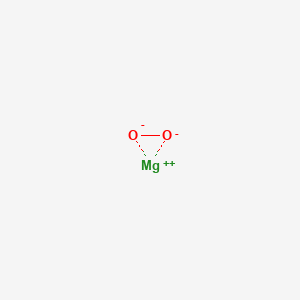

Request for quotation , get quotes from more suppliers.
More Information
An oxidising agent is a substance that can accept electrons and lose oxygen in a chemical reaction. When an oxidizer accepts electrons, it loses oxygen. This oxidising reaction can release energy and cause changes in other substances.
Oxidants in cosmetics have bleaching and color-fixing effects. However, some oxidizers lose their activity when exposed to light, so they need to be stored properly.
Oxidizers are corrosive and dangerous, and care should be taken when using them:
•Avoid contact with skin and eyes.
•Keep away from flammable materials.
•Store and transport properly.
Frequently Asked Questions
Oxidising agents (or oxidants) are chemical substances that accept electrons during a redox reaction, thereby causing another substance to be oxidised. Common examples include hydrogen peroxide, potassium permanganate, and chlorine. These agents play a critical role in industrial processes such as water treatment, bleaching, and chemical synthesis by facilitating oxidation reactions essential for product formation or contaminant removal.
Oxidising chemicals are widely used across multiple industries:1. In water and wastewater treatment to disinfect and remove organic pollutants.2. In the pulp and paper industry for bleaching.3. In chemical manufacturing as reagents for synthesising pharmaceuticals, dyes, and polymers.4. In metal processing for surface cleaning and etching.Their ability to drive oxidation makes them indispensable in controlled industrial applications.
Oxidising substances must be stored in accordance with safety regulations to prevent fire or explosion hazards. Key storage guidelines include:1. Keeping them separate from flammable or combustible materials.2. Using non-reactive, tightly sealed containers in a cool, dry, well-ventilated area.3. Labeling containers clearly with hazard symbols.4. Complying with local and international standards such as OSHA or GHS. Proper handling and storage minimize risks and ensure workplace safety.
A trustworthy oxidising agent supplier should hold relevant certifications that demonstrate compliance with quality and safety standards. These typically include ISO 9001 (quality management), ISO 14001 (environmental management), and adherence to GHS (Globally Harmonized System) for chemical labeling. Suppliers serving regulated industries may also need REACH or TSCA registration. Verifying these credentials ensures product reliability and regulatory compliance.
Selecting the appropriate oxidising agent depends on several factors:1. The specific chemical reaction or process (e.g., disinfection vs. synthesis).2. Required oxidation strength and reaction conditions (pH, temperature).3. Compatibility with other materials in the system.4. Safety, environmental impact, and regulatory considerations.Consulting technical data sheets and working with experienced chemical suppliers can help identify the most effective and safe option for your needs.