




Agrochemicals
- • Biopesticides (18)
- • Herbicides (281)
- • Insecticides (362)
- • Fungicides (163)
- • Pesticide Intermediates (413)
- • Plant Growth Regulators (57)
- • Fertilizers (24)
Related News
-
Renaissance BioScience Receives Genome BC Funding to Extend RNAi Biopesticide Platform to Target Soil-Dwelling Crop Pests
2026-07-29 -
DBN and MOLBREEDING signed a strategic cooperation agreement to carry out in-depth cooperation in six areas such as the integration of transgenic corn traits
2024-08-06 -
Brazil's Agriconnection uses a new model to import and direct sell pesticides, with revenue exceeding $340 million
2024-08-05 -
China's insecticide import and export data for June
2024-08-02 -
Jiangsu TrustChem’s degradable pesticide packaging bottle won the domestic and international invention patent authorization
2024-08-01 -
Hymexazol was expanded to bean and zucchini in China
2024-07-31


Plant Growth Regulators Featured Products
Plant Growth Regulators
Ferrous sulfate
(7720-78-7)-

Agricultural Grade / 19.8%
-

Agricultural Grade / 98%
-

Agricultural Grade / 98%
-
")
Agricultural Grade / 99%
$335-435/MT FOB


Xanthan gum
(11138-66-2)-

Food Grade / 80%
-

Food Grade / 99%
$2156.22-2744.28/MT FOB
-

Food Grade / 99%
-
 Professional Supplier")
Reagent Grade / 99%



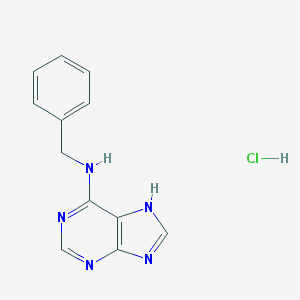
6-BENZYLAMINOPURINE
(162714-86-5)-

Reagent Grade / 99%
$12-14/KG FOB
-

- / 99.00%
-

Pharmaceutical Grade / 99%
-

Industrial Grade / 98%



Request for quotation , get quotes from more suppliers.
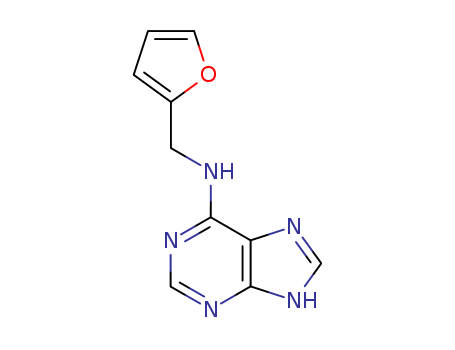
Kinetin
(525-79-1)-

Agricultural Grade / 90%
-

- / 99.00%
-

Chemical Grade / 99%
$1/KG FOB
-




Request for quotation , get quotes from more suppliers.
Abscisic acid
(14375-45-2)-

Agricultural grade / -
-

- / 99.00%
-

-

- / 99%


Request for quotation , get quotes from more suppliers.
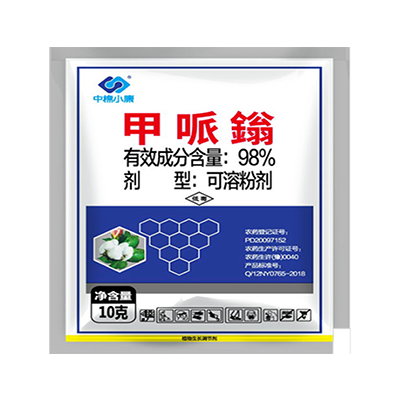
Mepiquat chloride
(24307-26-4)-

Pharmaceutical Grade / 99%
-

- / 99.00%
-

Industrial Grade / -
-

Industrial Grade, Feed Grade, Food Grade, Pharma Grade / 99%



Request for quotation , get quotes from more suppliers.
(4-Chlorophenoxy)acetic acid
(122-88-3)-

Agricultural Grade / 99%
$1/KG EXW
-

Agricultural Grade / 99.9%
-

Agricultural grade / -
-

Industrial Grade / 99%



Request for quotation , get quotes from more suppliers.
Forchlorfenuron
(68157-60-8)-

Agricultural Grade / 99%
-

Industrial Grade / 99%
-

-

Pharmaceutical Grade / 99%


Request for quotation , get quotes from more suppliers.
trans-Zeatin
(1637-39-4)-

Agricultural Grade / 99%
-

Pharmaceutical Grade / 99%
-

-

- / 99%
$50/KG FOB


Request for quotation , get quotes from more suppliers.
Maleic hydrazide
(123-33-1)-

-

- / 99.00%
-

industrial Grade / 98%
-

pharmaceutical grade / 99%


Request for quotation , get quotes from more suppliers.
Source Plant Growth Regulators Raw Materials by Region


More Information
There is a type of substance in plants that has a low content but has a significant impact on plant growth, which is plant hormones. In order to regulate this process, researchers have studied plant hormones and synthesized some artificially synthesized compounds with similar activity to natural plant hormones. These artificially synthesized compounds that can regulate plant growth are collectively referred to as plant growth regulators.
Here are common plant growth regulators:
● Auxins: They can promote plant cell elongation and accelerate cell division, such as Brassinolide and 1-Naphthalenoacetic acid. Indole-3-butyric acid belongs to plant growth regulators for grass because it can promote hte rooting of herbaceous and woody ornamental plants.
● Gibberellins: These can promote germination and stimulate stem and leaf growth by breaking the dormancy period of plants, such as Paclobutrazol.
● Ethylenes: Their main function is to promote fruit ripening, such as Ethephon.
Frequently Asked Questions
Plant Growth Regulators (PGRs) are naturally occurring or synthetic compounds that influence plant development processes such as germination, flowering, fruiting, and ripening. They function by mimicking or modulating the activity of natural plant hormones like auxins, gibberellins, cytokinins, abscisic acid, and ethylene. PGRs are widely used in agriculture and horticulture to enhance crop yield, improve quality, and manage plant growth under varying environmental conditions.
The most commonly used Plant Growth Regulators include:1. Auxins – promote root formation and prevent fruit drop.2. Gibberellins – stimulate stem elongation and seed germination.3. Cytokinins – delay senescence and encourage cell division.4. Abscisic acid (ABA) – regulates stress responses and dormancy.5. Ethylene – controls fruit ripening and leaf abscission.Each type serves specific physiological functions, making them essential tools for precision farming and crop management.
When used according to recommended guidelines and regulatory standards, Plant Growth Regulators are generally safe for crops, humans, and the environment. Regulatory agencies such as the EPA (U.S.) and EFSA (EU) evaluate their toxicity, residue levels, and ecological impact before approval. Proper dosage, application timing, and adherence to Good Agricultural Practices (GAP) minimize risks and ensure sustainable use in modern agriculture.
Selecting the appropriate Plant Growth Regulator depends on several factors:1. Crop type and growth stage – different PGRs target specific developmental phases.2. Desired outcome – whether it’s increasing yield, controlling height, or synchronizing flowering.3. Environmental conditions – temperature, humidity, and soil health can affect PGR efficacy.4. Regulatory compliance – ensure the product is approved for use in your region.Consulting agronomists or certified suppliers can help identify the most effective and compliant PGR for your needs.
Using Plant Growth Regulators in commercial farming offers multiple benefits, including improved crop uniformity, enhanced stress tolerance, increased fruit set and size, optimized harvest timing, and reduced labor costs through controlled vegetative growth. These advantages contribute to higher productivity, better marketability of produce, and more efficient resource utilization—making PGRs a valuable component of integrated crop management strategies.