




Cosmetic Ingredient
- • Abrasive (124)
- • Absorbent (84)
- • Anticaking (66)
- • Anticorrosive (25)
- • Antifoaming (19)
- • Antimicrobials (291)
- • Antioxidant Ingredient (392)
- • Antiperspirant (20)
- • Antiplaque (48)
- • Anti-seborrheic (38)
- • Anti-sebum (38)
- • Antistatic (457)
- • Astringent (162)
- • Binding Agent (171)
- • Bleaching Agent (53)
- • Buffering (190)
- • Bulking (109)
- • Chelating (122)
- • Cleansing (680)
- • Cosmetic Colorant (212)
- • Cosmetic Preservative (158)
- • Denaturant (45)
- • Deodorant (98)
- • Depilatory (27)
- • Dissolving Agent (297)
- • Emollient (795)
- • Emulsifying Agent (481)
- • Emulsion Stabilising (153)
- • Exfoliating (19)
- • Film Forming (299)
- • Flavouring (72)
- • Foam Boosting (161)
- • Foaming (101)
- • Fragrance Ingredient (732)
- • Gel Forming (19)
- • Hair Conditioning (672)
- • Hair Dyeing (363)
- • Hair Fixing (36)
- • Hair Waving or Straightening (45)
- • Humectant (281)
- • Hydrotrope (92)
- • Keratolytic (20)
- • Light Stabilizer (77)
- • Moisturising Agent (50)
- • Nail Conditioning (42)
- • Occlusive (20)
- • Opacifying (119)
- • Oral Care (123)
- • Oxidising (19)
- • Perfuming (2106)
- • Plasticiser (98)
- • Propellant (19)
- • Reducing (51)
- • Refatting (12)
- • Refreshing (27)
- • Skin Cleansing (387)
- • Skin Conditioning (1747)
- • Skin Humectant (21)
- • Skin Protecting (281)
- • Smoothing (32)
- • Soothing (72)
- • Tonics (155)
- • UV Filter (33)
- • Viscosity Controlling (530)
Chemicals as Skincare Ingredients
Related News
-
Here's How to Test for a Reducing Sugar
2023-01-28


Reducing
Reducing
Potassium sulfite
(10117-38-1)-

- / 0.00%
-

- / 99.00%
-

Pharmaceutical Grade / 99%
-

Top Product / 0%


Request for quotation , get quotes from more suppliers.
-

Cosmetics Grade / 99%
-

Cosmetics Grade / 99%
-

Cosmetics Grade / 99%
-

Cosmetics Grade / 99.0%


Request for quotation , get quotes from more suppliers.
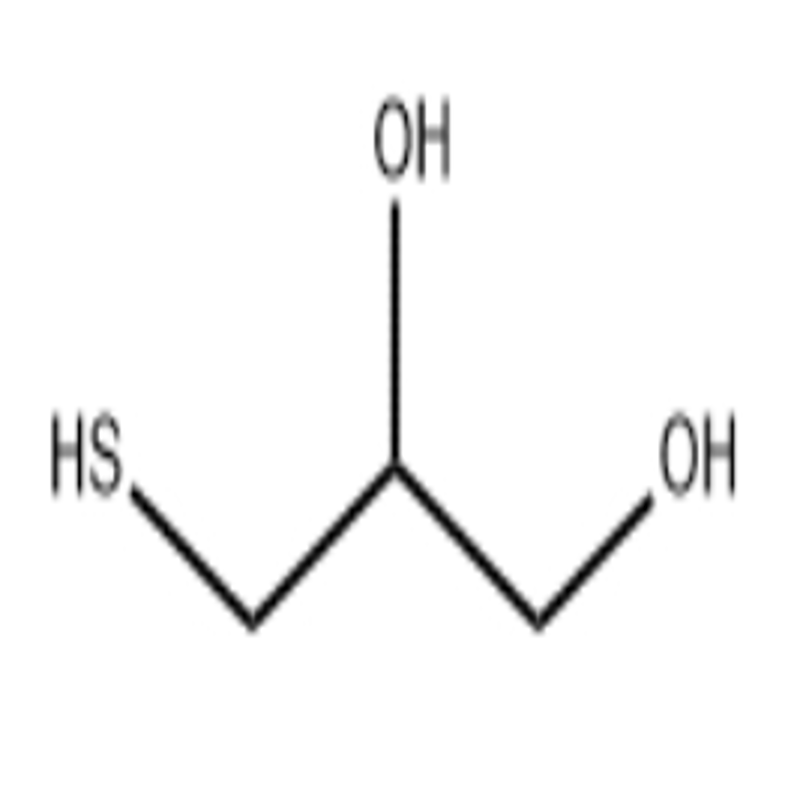
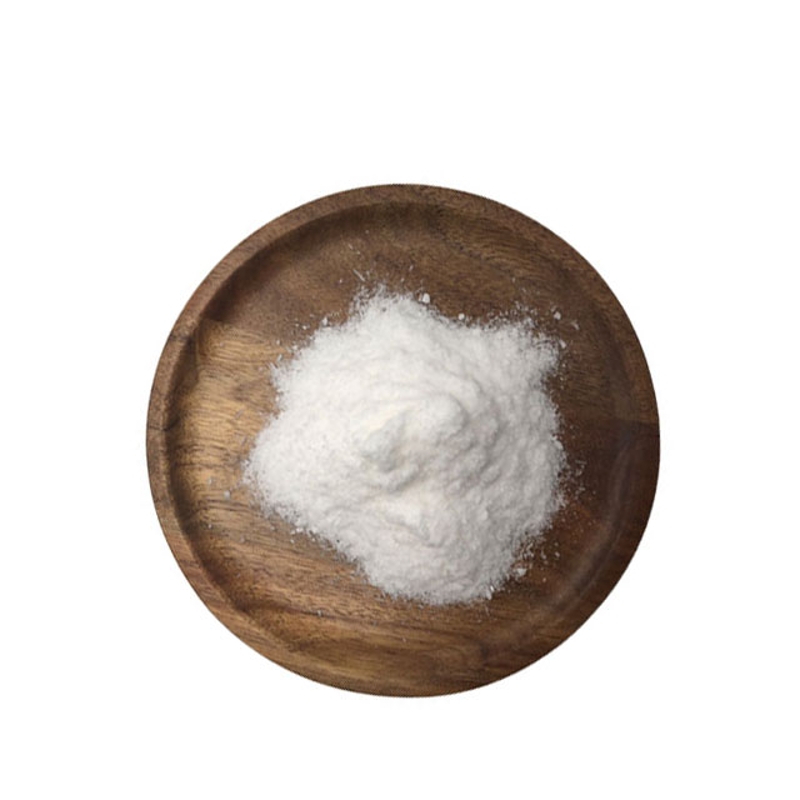
Thioglycerol
(96-27-5)-

Industrial Grade / 99.5%
-

Reagent Grade / 99%
$20-22/KG FOB
-

Pharmaceutical Grade / 99%
-


Request for quotation , get quotes from more suppliers.
Sodium thioglycolate
(367-51-1)-

Industrial Grade / 99%
-

Reagent Grade / 99%
$7-9/KG FOB
-

- / 99.00%
-

Food Grade / 99%


Request for quotation , get quotes from more suppliers.
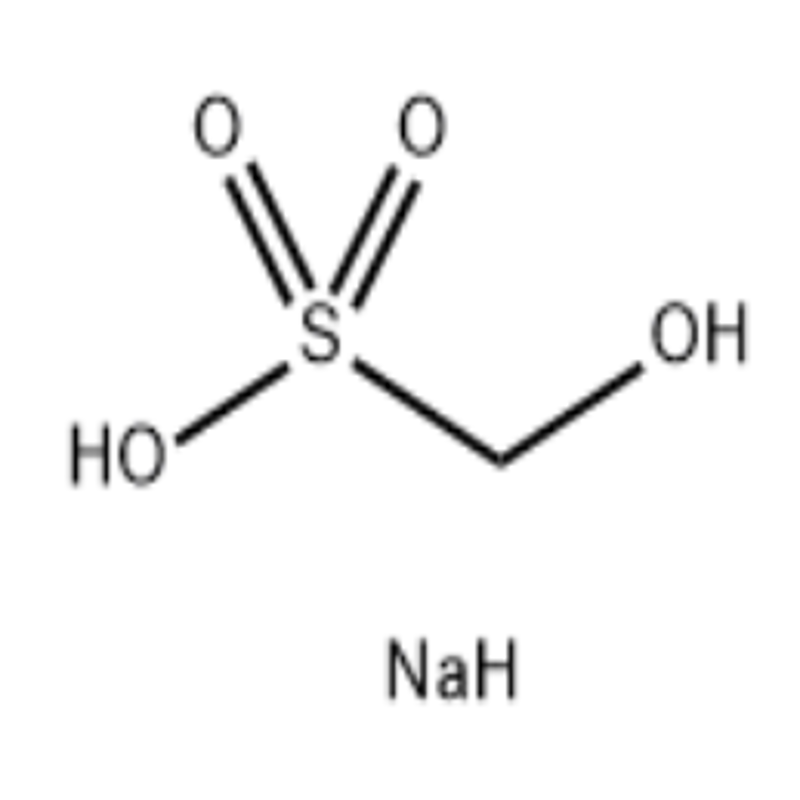
Sodium hydroxymethanesulfonate
(870-72-4)-

Pharmaceutical Grade / 99%
-

Pharmaceutical Grade / 99%
-

-

Reagent Grade / 99%
$5-6/KG FOB


Request for quotation , get quotes from more suppliers.
-

- / 99.00%
-

USP / EP / BP / JP Grade / 99.9%
-
-2-acetamido-3-(((2E,6E)-3,7,11-trimethyldodeca-2,6,10-trien-1-yl)thio)propanoicacid(R)-2-acetamido-3-((2E,6E)-3,7,11-trimethyldodeca-2,6,10-trienylthio)propanoicacid")
Analytical Reagent / 99%
-

Industrial Grade / 99.0%


Request for quotation , get quotes from more suppliers.
6H-Dibenzo[a,g]quinolizine, 5,8,13,13a-tetrahydro-2,3,9,10-tetramethoxy-, hydrochloride (1:1)
(6024-85-7)-

Pharmaceutical Grade / 99%
-

-

Chemical Grade / 99%
$100/BOU EXW
-

Industrial Grade / 98%



Request for quotation , get quotes from more suppliers.
-

- / 99.00%
-

Industrial Grade / 99%
-

Chemical Grade / 99%
-

Industrial Grade / 99%


Request for quotation , get quotes from more suppliers.
-

- / 0.00%
-
-2-methylpropiophenone")
- / 99.00%
-
-2-methylpropiophenone, CAS:106797-53-9")
Chemical Grade / 99%
$22-24/KG FOB
-

Pharmaceutical Grade / 99%


Request for quotation , get quotes from more suppliers.
(±)-2-Mercaptopropionic acid
(79-42-5)-

Industrial Grade / 99%
-

industrial Grade / 98%
-

pharmaceutical grade / 99%
-

Industrial Grade / 99%


Request for quotation , get quotes from more suppliers.
More Information
Reducing agents fulfill the function of antioxidation by capturing free radicals and supplying electrons, effectively counteracting oxidative stress on the skin. Additionally, they prevent oxidation reactions of other components in cosmetics, thereby maintaining product stability and original performance, prolonging the shelf life of cosmetics, and enhancing product durability.
Common reducing agents include:
● Ascorbic acid (Vitamin C)
● Tocopherol (Vitamin E)
● Niacinamide (Vitamin B3)
● Glutathione
● Coenzyme
● Alpha-lipoic acid
Frequently Asked Questions
In chemical manufacturing, 'Reducing' refers to a chemical reaction where a substance gains electrons, often facilitated by a reducing agent. This process is essential in synthesizing various compounds, including pharmaceutical intermediates and fine chemicals. Common reducing agents include sodium borohydride, lithium aluminum hydride, and hydrogen gas with catalysts. Understanding reduction reactions is critical for controlling product purity and yield.
Reducing agents play a vital role in the pharmaceutical industry by enabling key synthetic steps such as converting carbonyl groups to alcohols, deprotecting functional groups, or modifying molecular structures to enhance drug efficacy. They are widely used in the production of active pharmaceutical ingredients (APIs) and intermediates. Precise control over reduction conditions ensures consistent quality and regulatory compliance in drug manufacturing.
Selecting the appropriate reducing agent depends on several factors:1. The functional group you intend to reduce (e.g., aldehydes, ketones, nitro groups).2. Reaction selectivity and compatibility with other functional groups in the molecule.3. Solvent system and reaction conditions (temperature, pressure, pH).4. Safety, cost, and environmental impact.Common choices include NaBH₄ for mild reductions and LiAlH₄ for more aggressive transformations. Consulting technical data sheets and supplier expertise can guide optimal selection.
Yes, many reducing agents are reactive, flammable, or moisture-sensitive, requiring strict safety protocols. For example, lithium aluminum hydride reacts violently with water and must be handled under inert atmosphere. Sodium borohydride is safer but still requires proper ventilation and personal protective equipment (PPE). Always review the Safety Data Sheet (SDS), store materials correctly, and follow institutional or regulatory safety guidelines to prevent accidents during handling and storage.
Absolutely. Incomplete or non-selective reduction can lead to impurities, side products, or inconsistent yields—critical concerns in pharmaceutical intermediate production. High-purity reducing agents, controlled reaction parameters (e.g., temperature, stoichiometry), and rigorous analytical testing (such as HPLC or NMR) are essential to ensure final intermediate quality meets ICH and GMP standards. Partnering with qualified chemical suppliers enhances reliability and traceability throughout the synthesis process.