




Pharmaceutical Intermediates
- • Analgesics (59)
- • Anesthetics (52)
- • Anti-Addiction Agents (8)
- • Antibacterials (118)
- • Anticonvulsants (20)
- • Antidementia Agents (23)
- • Antidepressants (35)
- • Antiemetics (24)
- • Antifungals (24)
- • Antigout Agents (9)
- • Anti-inflammatory Agents (28)
- • Antimigraine Agents (21)
- • Antineoplastics (430)
- • Antiparasitics (11)
- • Antiparkinson Agents (28)
- • Antipsychotics (54)
- • Antispasticity Agents (12)
- • Antivirals (146)
- • Anxiolytics (16)
- • Blood Glucose Regulators (106)
- • Blood Products (61)
- • Cardiovascular Agents (179)
- • CNS Agents (22)
- • Dental and Oral Agents (8)
- • Dermatological Agents (19)
- • Electrolytes (15)
- • Gastrointestinal Agents (63)
- • Genetic/Enzyme Disorder (12)
- • Genitourinary Agents (47)
- • Immunological Agents (36)
- • Metabolic Bone Disease (6)
- • Ophthalmic Agents (476)
- • Respiratory Tract (51)
- • Skeletal Muscle Relaxants (5)
- • Sleep Disorder Agents (28)
- • Oled Material Intermediate (333)
- • Heterocyclic Compound (9771)
- • Bulk Drug Intermediates (17876)
Related News
-
The multinational pharmaceutical company plans to sell its business
2022-11-18 -
Most Popular Combined Pill for Respiratory Diseases
2022-06-23 -
Frequent occurrence of chronic respiratory diseases in autumn and winter
2019-11-08 -
Keep Chemicals Out, Say Protective Respiratory Equipment
2017-08-21 -
Canada: MDIs in DIY Products Are Risk to Respiratory Health
2017-06-15 -
Is Novartis looking at divesting some of its respiratory drugs? Drugmaker says n
2017-04-01


Respiratory Tract Pharma Intermediates
Respiratory Tract
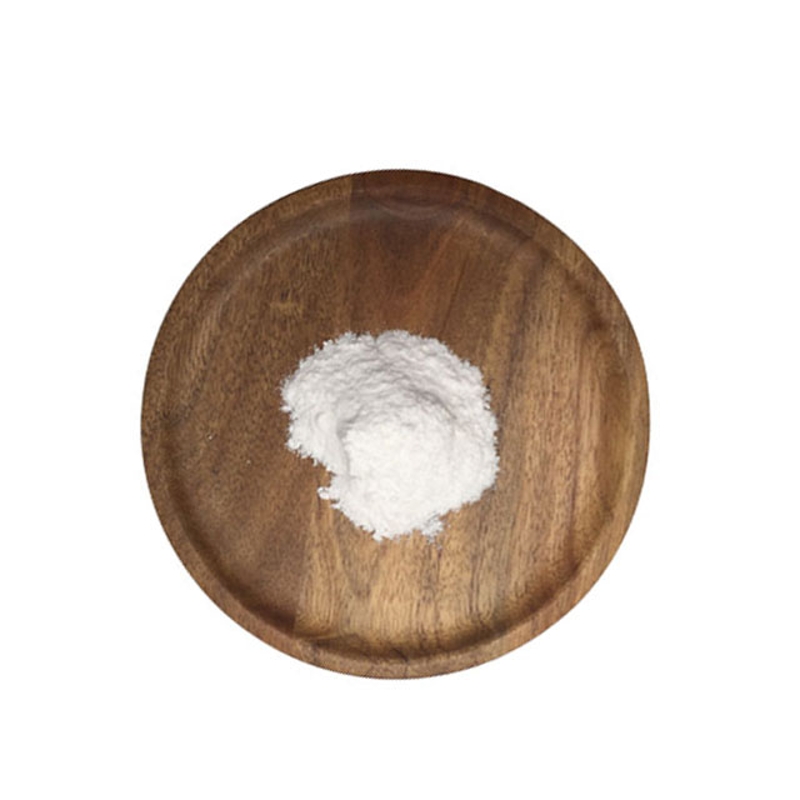
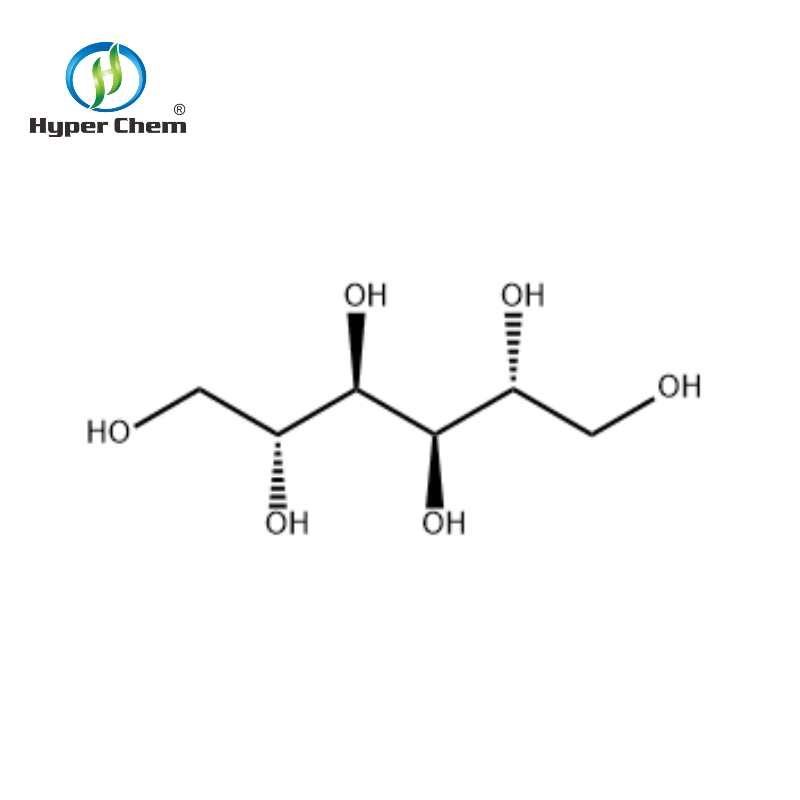
Mannitol
(69-65-8)-

Pharmaceutical grade / 99%
-

Pharmaceutical Grade / 99%
-

Pharmacy Grade / 99%
-

Pharmaceutical Grade / 99%


Request for quotation , get quotes from more suppliers.
Methanesulfonamide
(3144-09-0)-

Pharmaceutical Grade / 99%
-

Pharmaceutical Grade / 99%
-

Pharmaceutical Grade / 99.5%
-

pharmaceutical grade / 99.9%
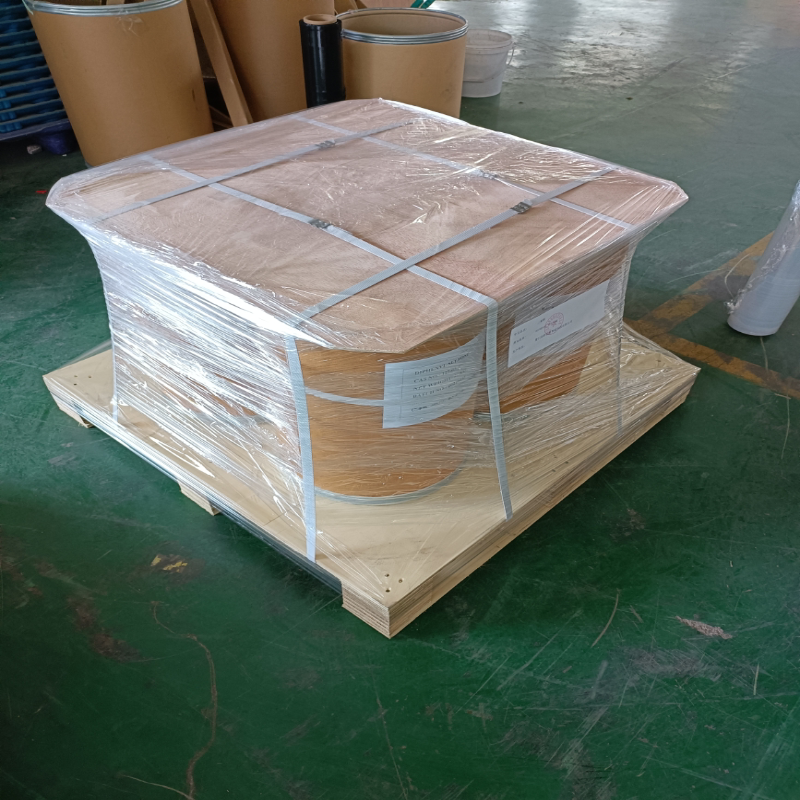
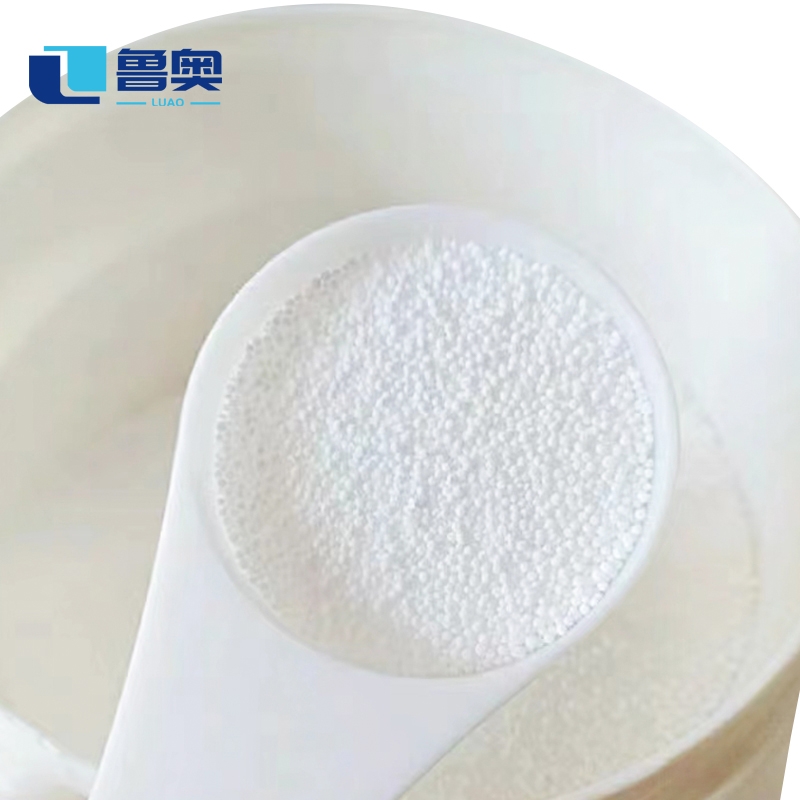
Request for quotation , get quotes from more suppliers.
-

Pharmaceutical Grade / 99%
$100/KG EXW
-
acetic acid methyl ester")
Industrial Grade / 99%
-
acetate")
-


Request for quotation , get quotes from more suppliers.
More Information
Respiratory Tract Pharma Intermediates are key raw materials used in the synthesis of pharmaceuticals targeting the respiratory system. These intermediates provide the foundation for bronchodilators, anti-inflammatory agents, antitussives, mucolytics, and antimicrobial therapies.
Common applications and types include:
• Bronchodilator intermediates — for asthma and COPD treatment.
• Anti-inflammatory intermediates — supporting therapies to reduce airway inflammation.
• Antitussive intermediates — for cough suppression and relief of upper respiratory symptoms.
• Mucolytic intermediates — aiding in the clearance of mucus and respiratory secretions.
• Antimicrobial intermediates — used in treatments for bacterial or viral respiratory infections.
Frequently Asked Questions
The respiratory tract is a series of organs and tissues involved in breathing and gas exchange. It includes the nose, pharynx, larynx, trachea, bronchi, and lungs. Its primary functions are to deliver oxygen to the bloodstream and remove carbon dioxide from the body. The respiratory tract also filters, warms, and humidifies inhaled air to protect lung tissue.
Common respiratory tract diseases include asthma, chronic obstructive pulmonary disease (COPD), bronchitis, pneumonia, sinusitis, and the common cold. These conditions can affect either the upper respiratory tract (nose, sinuses, throat) or the lower respiratory tract (trachea, bronchi, lungs). Symptoms often include coughing, shortness of breath, wheezing, and congestion.
To protect your respiratory tract, avoid smoking and exposure to secondhand smoke, wear masks in polluted or high-risk environments, practice good hand hygiene, stay up to date with vaccinations (such as flu and pneumococcal vaccines), and maintain indoor air quality with proper ventilation and air purifiers. Regular exercise and a healthy diet also support respiratory immunity.
Upper respiratory tract infections (URTIs) involve the nose, sinuses, pharynx, and larynx, and include conditions like the common cold, sinusitis, and pharyngitis. Lower respiratory tract infections (LRTIs) affect the trachea, bronchi, and lungs, and include bronchitis, pneumonia, and tuberculosis. LRTIs are generally more severe and may require medical intervention compared to most URTIs.
You should consult a healthcare provider if you experience persistent symptoms such as a cough lasting more than 2–3 weeks, high fever, difficulty breathing, chest pain, coughing up blood, or worsening shortness of breath. These could indicate a serious condition like pneumonia, COPD exacerbation, or other lower respiratory tract disorders requiring prompt evaluation and treatment.