




Analytical Chemistry
- • Standard (1904)
- • Analysis Reagents (616)
- • Food Safety (411)
- • Liquid Chromatography (43)
Related News


Standard Substance
Standard
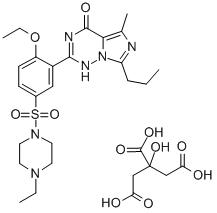
Vardenafil dihydrochloride
(224789-15-5)-

USP / EP / BP / JP Grade / 99%
-

Industrial Grade / 99%
-

-

Industrial Grade / 99%

Request for quotation , get quotes from more suppliers.
VIOLURIC ACID MONOHYDRATE
(26351-19-9)-

- / 99.00%
-
-Pyrimidinetetrone,5-oxime, hydrate (1:1)")
-

Industrial Grade, Feed Grade, Food Grade, Pharma Grade / 99%
-


Request for quotation , get quotes from more suppliers.
Vaccenic acid
(693-72-1)

Request for quotation , get quotes from more suppliers.
Verruculogen
(12771-72-1)-

-

Industrial Grade / 99%
-

pharmaceutical grade / 99%
$1/KG EXW
-

Industrial Grade / 95%


Request for quotation , get quotes from more suppliers.
Vicine
(152-93-2)-

- / 99.00%
-
-(1H)-pyrimidin-4-one")
Industrial Grade / 99.0%
-

-


Request for quotation , get quotes from more suppliers.
Source Standard Products Supply
Vedaprofen
(71109-09-6)-

-

Industrial Grade / 99%
-

-


Request for quotation , get quotes from more suppliers.
-

Industrial Grade / 99%
-

-

-

Industrial Grade / 99%


Request for quotation , get quotes from more suppliers.
Vedaprofen-d3
(1185054-34-5)-

Industrial Grade / 99%
-

-

Industrial Grade / 99%

Request for quotation , get quotes from more suppliers.
Vardenafil hydrochloride trihydrate
(330808-88-3)Request for quotation , get quotes from more suppliers.
Source Standard Raw Materials by Region


Frequently Asked Questions
Standard chemicals refer to high-purity reference substances used in analytical laboratories for calibration, validation, and quality control purposes. These include certified reference materials (CRMs), analytical standards, and reagent-grade compounds that meet internationally recognized specifications such as those from USP, EP, or ISO. They ensure accuracy and reproducibility in testing across pharmaceutical, environmental, and food safety applications.
Standard chemicals are essential in laboratory analysis for tasks such as instrument calibration, method validation, quantification of unknown samples, and ensuring regulatory compliance. For example, in HPLC or GC testing, a known concentration of a chemical standard is used to create a calibration curve, which allows accurate measurement of analytes in real-world samples. Their consistent purity and traceability make them indispensable in achieving reliable test results.
No, standard chemicals and general reagents serve different purposes. Reagents are used to cause chemical reactions during synthesis or testing but may not have precisely defined purity. In contrast, standard chemicals are highly characterized substances with exact concentrations or purities, primarily used for measurement accuracy and quality assurance. While all standards can function as reagents, not all reagents qualify as standards due to variability in composition and lack of certification.
Certified standard chemicals can be purchased from reputable suppliers that specialize in analytical reference materials, such as Sigma-Aldrich, Merck, AccuStandard, or LGC Standards. Ensure the supplier provides full documentation—including Certificates of Analysis (CoA), traceability statements, and proper storage guidelines—and complies with ISO 17034 or similar accreditation standards. Buying from authorized distributors also minimizes the risk of counterfeit or degraded products.