




Active Pharmaceutical Ingredients
- • Respiratory Drugs (114)
- • Hormones and the Endocrine System (279)
- • Antipyretic Analgesics (171)
- • Antiallergic Drugs (103)
- • Antiparasitic Drugs (130)
- • Antibiotics (545)
- • Antineoplastic Agents (294)
- • Anesthetic Agents (79)
- • Urinary System Drugs (52)
- • Other Chemical Drugs (947)
- • Synthetic Anti-infective Drugs (599)
- • Nervous System Drugs (349)
- • Fluid, Electrolyte, and Acid-base Balance (48)
- • Vitamins and Minerals Medicines (106)
- • Digestive System Drugs (197)
- • Blood System Drugs (85)
- • Circulatory System Drugs (426)
- • Diagnostic Agents (58)
- • Specialty Drugs (107)
- • Drug Metabolism (23)
- • Feed Additive (22)
- • Anti-stress Drugs (1)
- • Drugs Influencing Immune Function (14)
- • Veterinary Raw Materials (24)
- • Inhibitor Drugs (81)
Related News
-
At the API China 2024 Spectacle: A Grand Recap!
2024-10-18 -
The 89th API China & The 27th CHINA-PHARM Exhibition Opened
2024-06-05 -
Overview of China's API industry in 2023
2023-02-01 -
Global Analysis of Active Pharmaceutical Ingredient (API)
2023-01-28 -
Professional and technical dry goods: a brief discussion on the selection of starting materials for chemical synthesis APIs
2022-11-18 -
In 2021, India's Ibuprofen API Export Volume and Price will Fall
2022-06-20


Veterinary Raw Materials
Veterinary Raw Materials
Quinocetone
(81810-66-4)-

Pharmaceutical Grade / 99%
-

Pharmaceutical Grade / 99%
-

Pharmaceutical Grade / 99%
-

Pharmaceutical Grade / 99%


Request for quotation , get quotes from more suppliers.
-

Pharmaceutical Grade / 99%
-

Chemical Grade / 99%
$5.1-6.12/KG FOB
-

Industry Grade / 99%
-

Industrial Grade / 99.00%


Request for quotation , get quotes from more suppliers.
-

Pharmaceutical Grade / 99%
-

Pharmaceutical Grade / 99%
-

Pharmaceutical Grade / 99%
-
 for R&D purpose only 99.0% Powder Echemi")
Pharmaceutical Grade / 99.0%



Nequinate
(13997-19-8)-

Pharmaceutical Grade / 98%
-

Pharmaceutical Grade / 99%
-

Industrial Grade / pharmaceutical grade / 99%
-

industrial Grade / 98%



Request for quotation , get quotes from more suppliers.
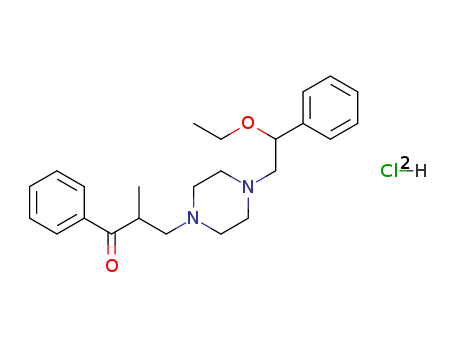
1-Propanone, 3-[4-(2-ethoxy-2-phenylethyl)-1-piperazinyl]-2-methyl-1-phenyl-, hydrochloride (1:2)
(10402-53-6)-

Pharmaceutical Grade / 99.5%
-

Pharmaceutical grade / 99%
-

Industrial Grade / pharmaceutical grade / 99%
-

- / 99.00%


Request for quotation , get quotes from more suppliers.
-

Pharmaceutical Grade / 99%
-

Industrial Grade / -
-

Industrial Grade / 99.0%
-


Request for quotation , get quotes from more suppliers.
Dapiprazole hydrochloride
(72822-13-0)-

pharmaceutical grade / 99%
$1/KG EXW
-

- / 99.00%
-

Industrial Grade / 99%
-
![buy 3-[2-[4-(2-methylphenyl)piperazin-1-yl]ethyl]-5,6,7,8-tetrahydro-[1,2,4]triazolo[4,3-a]pyridine,hydrochloride]( "3-[2-[4-(2-methylphenyl)piperazin-1-yl]ethyl]-5,6,7,8-tetrahydro-[1,2,4]triazolo[4,3-a]pyridine,hydrochloride")


Request for quotation , get quotes from more suppliers.
Deracoxib
(169590-41-4)-

Pharmaceutical Grade / 99%
-

Industrial Grade / 99%
-

-


Request for quotation , get quotes from more suppliers.
Micronomicin
(52093-21-7)-

Industrial Grade,Pharma Grade / 99%
-

Industrial Grade / 99%
-

-



Request for quotation , get quotes from more suppliers.
SodiuM Nuo Kasu
(418541-41-0)-

Pharmaceutical Grade / 99%
-

Pharmaceutical Grade / 99%
$50/ EXW
-

-


Request for quotation , get quotes from more suppliers.
Frequently Asked Questions
Veterinary raw materials refer to the active pharmaceutical ingredients (APIs), excipients, and chemical intermediates used in the formulation of animal health products such as antibiotics, antiparasitics, vaccines, and nutritional supplements. These materials must meet stringent quality and safety standards to ensure efficacy and minimize risks to animal and human health.
When selecting a supplier for veterinary raw materials, consider the following criteria:1. Regulatory compliance with agencies like FDA, EMA, or VMD.2. Valid certifications such as GMP, ISO, or FAMI-QS.3. Transparency in sourcing, manufacturing processes, and quality control testing.4. Consistent supply chain reliability and technical support capabilities.Evaluating these factors helps ensure product safety, regulatory adherence, and long-term partnership stability.
Veterinary raw materials are primarily used in:1. Manufacturing antimicrobials and anti-infectives for livestock and companion animals.2. Producing feed additives and growth promoters.3. Formulating vaccines and immunomodulators.4. Developing topical treatments for parasites and skin conditions.These applications support disease prevention, treatment, and overall animal welfare in both commercial and domestic settings.
Veterinary raw materials must comply with international pharmacopoeial standards such as USP, EP, or BP, as well as guidelines from regulatory bodies like the FDA’s Center for Veterinary Medicine (CVM) or the European Medicines Agency (EMA). Key requirements include purity, potency, stability, and absence of harmful contaminants like heavy metals or residual solvents. Documentation such as Certificates of Analysis (CoA) and Drug Master Files (DMF) is essential for traceability and compliance.
While some human-grade APIs can be adapted for veterinary use, they must undergo specific regulatory evaluation to confirm safety, dosage suitability, and species-specific metabolism. Not all human APIs are appropriate for animals due to differences in physiology and toxicity thresholds. Using APIs specifically approved or registered for veterinary applications ensures legal compliance and optimal therapeutic outcomes.