What is sulfuric acid used for in water treatment? Learn more
What is sulfuric acid used for in water treatment? Sulfuric acid is a chemical used to remove heavy metals and minerals from water. When these materials are dissolved in water, they can cause the process of corrosion or rusting in pipes. The sulfuric acid reacts with these minerals and metal ions, causing them to bind to the atoms of hydrogen sulfate molecules that are created by the reaction. This makes it easier for the pipe or material being cleaned by sulfuric acid to absorb them into their structure as hydrogen sulfate molecules. Sulfuric acid is also used in many industrial applications such as mining and battery manufacturing; however, its use is becoming less common due to its potential impact on ecosystems.
Uses of sulfuric acid in water treatment
1. Removing heavy metals from wastewater
What is sulfuric acid used for in water treatment? Sulfuric acid is used to remove heavy metals in wastewater. Heavy metals, such as copper, lead, and tin have been found in various concentrations within water that has flowed through industrial factories. By removing these heavy metals from water, the pollutants can be more easily filtered and treated when wastewater is released into different ecosystems.
2. Preventing corrosion of pipes
Sulfuric acid is used to prevent the corrosion of pipes in utility lines and in homes. When acidic water flows through pipes, it can dissolve minerals that come into contact with the pipe wall or iron sulfate oxygen which may form rust on iron pipes or steel. This dissolved iron sulfate or rust can form new compounds that are less soluble than the original minerals. The compounds that are formed in this reaction can then adhere to the pipe, causing damage. To prevent this galvanic reaction from occurring, a small amount of sulfuric acid is added to the water. The acid reacts with all of the dissolved minerals and prevents them from combining with the pipe, causing it to corrode.
3. Removing minerals from drinking water
It is often necessary to remove minerals such as ferric sulfate, manganese oxide and calcium carbonate from drinking water in order to improve its taste and odor. Sulfuric acid is used for this purpose in many municipalities throughout the US.
4. Removing minerals from sugar
Sulfuric acid is used to remove a substance called "sugar sand" from sugar crystals, making them easier to filter during the process of refining. The sugar sand is composed of microscopic grains of silica that form as a result of the sand being used to wash the sugar crystals during production. When the sugar cane is harvested, it contains dirt and other contaminants in addition to sucrose. The cane is washed before being sent through machines that extract the juice. The juice is then filtered through carbon filters and mixed with water to create dilute molasses. The molasses is then purified to create cane sugar.
5. Manufacturing chemicals
Sulfuric acid is used to manufacture other chemicals such as nitric acid, hydrofluoric acid, sodium hydroxide and ammonium hydroxide. It can also be used as a catalyst for other chemical reactions.
6. Production of ethylene gas
Sulfuric acid is an intermediate in the manufacture of ethylene, which is one of the most common elements on the planet. Ethylene is a simple organic compound that can be turned into synthetic rubber, plastic and pesticides. It can also be turned into ethanol, used to make biofuel.
7. Production of fertilizers and dyes
Sulfuric acid is used in the production of raw materials that are used to make fertilizers and dyes such as indigo, making it an important chemical in the textile industry. The dyes are used to color fabric and many other products we use every day such as packaging material and food containers.
8. Production of detergents
Sulfuric acid is used in the manufacturing of soaps. It can also be used as a raw material to create detergents when it is combined with other chemicals such as sodium hydroxide and benzene.
9. Production of pharmaceuticals
Sulfuric acid is used in the production of pharmaceuticals and other industrial chemicals. It can also be used to make medications such as mithramycin, a drug that treats bacterial infections, and meropenem, a common antibiotic that fights bacteria that are resistant to other forms of treatment. Sulfuric acid has many applications throughout industries such as waste water treatment, refining sugar and manufacturing biochemicals.
Conclusion
What is sulfuric acid used for in water treatment? The uses of sulfuric acid are numerous and it is a vital chemical in the many industries that we rely on every day. It may be used to manufacture other chemicals used in the treatment of water, refining sugar, producing plastic and more. It is important to know the potential impact that sulfuric acid can have on different ecosystems and how it can affect wildlife.
What is sulfuric acid used for in water treatment? Sulfuric acid is a chemical used to remove heavy metals and minerals from water.
Looking for chemical products? Let suppliers reach out to you!
You May Interested In


Glow70/KLOW80 99% China Peptides Warehouse Direct Delivery Lyophilized Powder in Stock
$169/UNIT FOB


2026-10-17
Trade Alert
Delivering the latest product trends and industry news straight to your inbox.
(We'll never share your email address with a third-party.)

Related News
-
What is the result in mixing sodium ethanoate and sulphuric acid?
-
What is carbonic acid H2CO3 is a diprotic acid with its formula
-
Sulfuric acid what is it used for? Learn more
-
Sulfuric acid what is it used for? Learn more
-
How Sulfuric acid may be produced by the following process? Know more
-
How Sulfuric acid may be produced by the following process? Know more
-
How is the preparation of nitric acid by ostwald process
-
How to make sulfuric acid from sulfur and its uses
-
How to make sulfuric acid from sulfur and its uses
-
The Dangers Of Oxalic Acid: Oxalic Acid Health Effects
Recommend Reading
-
![What Color Should a Zinc-Copper Couple Be?]()
What Color Should a Zinc-Copper Couple Be?
-
![Why You Should Never Mix Bleach and Vinegar]()
Why You Should Never Mix Bleach and Vinegar
-
![Benzoylecgonine: Detection and Testing Methods]()
Benzoylecgonine: Detection and Testing Methods
-
![Understanding the Arsenate Symbol and Its Uses]()
Understanding the Arsenate Symbol and Its Uses
-
![Premium Global Chemical Sourcing Requests (17 - 22 Jan, 2026)]()
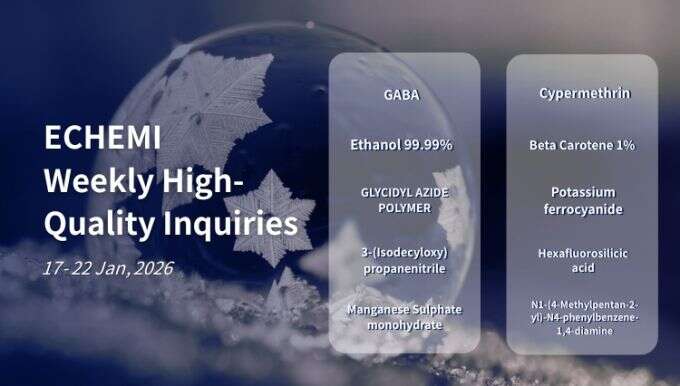
Premium Global Chemical Sourcing Requests (17 - 22 Jan, 2026)
-
![FDA Pushes New Approach to “No Artificial Colors” Claims]()
FDA Pushes New Approach to “No Artificial Colors” Claims
-
![Insufficient cost support + weak demand: Melamine continues its weak consolidation]()
Insufficient cost support + weak demand: Melamine continues its weak consolidation
-
![Weakening Demand Causes Acrylonitrile Market to Continue Declining]()
Weakening Demand Causes Acrylonitrile Market to Continue Declining
-
![Strong Costs Keep PP Prices Stable Ahead of the Holiday]()
Strong Costs Keep PP Prices Stable Ahead of the Holiday