




China to Cancel More U.S. Soy Shipments as More Tariffs Loom
Chinese companies are expected to cancel most of the remaining soybeans they have committed to buy from the U.S. in the year ending Aug. 31 once the extra tariff on U.S. imports takes effect from Friday.
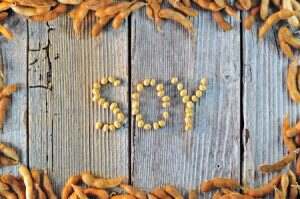
China is the world’s top soybean buyer and has yet to take delivery of about 1.14 million metric tons of U.S. soybeans booked for the current marketing year, according to U.S. Department of Agriculture data. The USDA reported last week that China had resold some 123,000 tons of committed deliveries to Bangladesh.
Soybeans are a key flash-point in the worsening trade relations between the U.S. and China after Beijing said it would levy tariffs on imports starting July 6 in retaliation against a raft of duties imposed by the Trump administration. By focusing on U.S. agricultural produce, as well as raw materials such as coal, China is targeting the rural communities in states that voted for Trump in 2016.
“These shipments will be either canceled or resold if extra tariffs are imposed,” said Gao Yanbin, an investment manager with agriculture investment firm Shanghai Shenkai Investment Co. “The tariff rate is too high which will make crushers lose money.”
Some cargoes will get through because shipments destined for state reserves are free from tariffs, Gao said. China holds unspecified volumes of state reserves of both domestic and imported soybeans. China had been forecast to buy 97 million tons of soybeans this marketing year.
Analysts don’t expect many soy cargoes from the U.S. to arrive after the July 6 deadline as buyers have already stopped shipments. The Peak Pegasus bulk carrier will arrive before the deadline while the Aeolian Fortune and Kea have already arrived, according to Monica Tu, an analyst with Shanghai JC Intelligence Co.
Chinese companies have contracted to increase purchases from Brazil since April and soy inventories at major crushers are currently at the highest in years, according to the China National Grain and Oils Information Center. That’s likely to change later in the year.
“There will be a supply deficit from the fourth quarter as crushers won’t have enough supplies if they don’t take U.S. soybeans,” Gao said. Brazilian supplies fall to seasonal lows in the first and fourth quarters — a period when China’s imports are normally dominated by the U.S. The CNGOIC expects Chinese companies may need to import at least 10 million tons from the U.S. when South American supplies run down.
“If China intends to keep their crushing plant operating in the fourth quarter and early first quarter they will need to import U.S. soybeans even with a 25 percent tariff,” as there are no other options to cover the shortage, said Paul Burke, North Asia regional director with the U.S. Soybean Export Council. China imported about 25 million tons from the U.S. in the fourth quarter of 2017 and the first quarter of 2018, according to customs data.
China will have the “world’s most expensive soybeans,” which may boost domestic prices of soybean meal and soybean oil, according to Jiang Boheng, an analyst with Luzheng Futures Co.
Premiums for Brazilian soybeans for August shipment were nearly 70 percent higher than that for U.S., according to the CNGOIC. They are at more than 300 cents a bushel over benchmark Chicago soy future prices arriving in China, according to the CNGOIC.
Looking for chemical products? Let suppliers reach out to you!

You May Interested In


Glow70/KLOW80 99% China Peptides Warehouse Direct Delivery Lyophilized Powder in Stock
$1.7E+2/UNIT FOB


2026-06-04
Trade Alert
Delivering the latest product trends and industry news straight to your inbox.
(We'll never share your email address with a third-party.)

Related News
-
China's Zero Tariff Policy for African Products Brings Opportunities to the Cosmetics and Personal Care Products Industry
-
Trump Plans 25% Tariffs on Autos, Drugs and Semiconductor Chips
-
China's New Tariffs on US Goods Officially Took Effect on February 10
-
Trump Announces Higher Steel and Aluminum Tariffs, Risks Inflation and Promises More Jobs
-
China Announces Latest Tariff Adjustment Measures! Import Tariffs on Ethane, Some Recycled Copper and Recycled Aluminum Raw Materials are Reduced
-
Highlights of RCEP Related to The Petrochemical Industry
-
Many countries have adjusted tariffs, and China has issued a number of import and export-related policies!
-
China officially approves RCEP! How can exporters enjoy tariff preferences?
-
India proposes to impose a 15% tariff on imported petrochemical products
-
China lowers US import tariffs
Recommend Reading
-

The 94th API China
-

The 93rd API China
-

ECHEMI 10th Anniversary
-

CPHI China 2025 -Shanghai
-

The 92nd API China
-

US Shrimp Imports Surge 38 Percent as Tariff Deadline Approaches
-

Study Finds Obesity Injections Lose Effectiveness Real World Weight Loss Drops to 8.7 Percent
-
This Week, the Domestic Polymeric MDI Market Showed a Weak Decline (5.6-5.9)
-

Brazil’s Egg Exports Surge 296 Percent in May as US Demand Soars
-
This week, PET bottle chips surged and then fell back, with both spot and futures weakening