The Best Diesel Fuel Additives Keep Your Engine Running
There are so many different kinds of diesel additives available that understanding your desired function is the first step in choosing the best diesel fuel additive for your needs.
What are diesel fuel additives?
It's crucial to comprehend just what diesel additives are before we begin our discussion on the best diesel fuel additives.
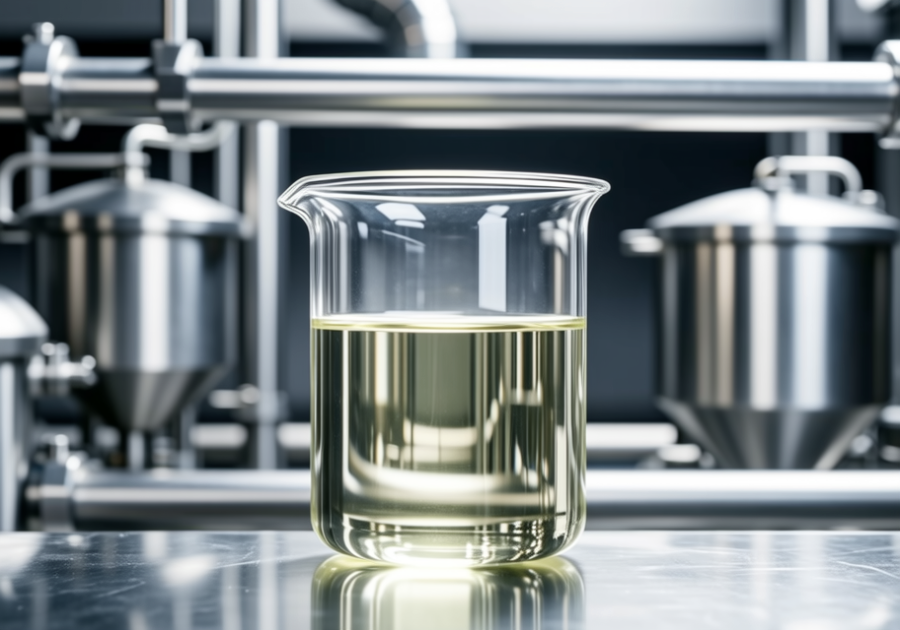
Diesel fuel additives are compounds that are injected along with the fuel to lubricate or clean the engine's moving parts. Diesel fuel additives were used seldom or never until the second half of the 20th century.
A blend of straight-run atmospheric distillation components could be used to create acceptable diesel fuel because of the adaptability and durability of the diesel engine. The diesel pool can frequently be augmented with broken gas oils from the gasoline refining process where a refiner must bias production toward producing gasoline.
Depending on the crude oil source, extra processing might be needed as fuel sulfur levels gradually decreased. The use of diesel fuel additives has altered along with the refining processes as a result of the rising fuel demand, shifting demand mix, and stricter standards.
Best diesel fuel additive functions
In order to account for the impact of temperature on diesel, there are even seasonal changes of the various diesel fuel formulas that are offered in the United States. Each of these fuels contains particular additives intended to boost the fuel's functionality and efficiency.
There are numerous aftermarket additives that you can add to your fuel tank in addition to the ones that are already blended into the diesel fuel you may purchase at the pump. Here are some characteristics of the best diesel fuel additives available and how they might improve your driving performance..
- Beating the cold
Anti-gel treatment is one of the most widely used diesel additives in areas of the U.S. that experience chilly winter weather. Diesel fuel has a propensity to get hazy and finally solidify into a gel at lower temperatures because it contains paraffin. This problem also affects biodiesel.
While paraffin-free, kerosene-heavy fuel is incorporated into winter-specific diesel to assist battle this issue, many diesel owners instead opt for anti-gel additives that can lower the "cold filter plugging point," or the point at which paraffin becomes solid enough to block a fuel filter.
- Keep out moisture
Diesel fuel is attracted to moisture, which is negative for an engine's performance as well as increases the risk of corrosion in the fuel system. It is feasible to employ additives that lessen the risk posed by moisture to help the mechanical water separator installed on practically every diesel engine.
Emulsifying additives are occasionally used in gasoline engines, however, they should never be used in diesel engines due to their hazard. Demulsifies separate water and diesel fuel from one another so that they can burn together more efficiently, increasing the likelihood that water will be removed from the fuel by a mechanical separator.
- Improve lubrication and cleaning
Certain diesel additives make up for the absence of lubrication in ultra-low sulfur or biodiesel by combining lubrication and detergents to remove engine deposits. Moreover, several additives claim to clean and lubricate while also increasing the cetane number of diesel fuel.
A chemical molecule called cetane, which resembles the "octane" number in gasoline, is used to rate the quality of diesel fuel, with a higher number suggesting better combustion, more efficiency, and easier engine starting in colder weather. Moreover, higher-cetane diesel can lower pollutants and make an engine run cleaner.
Benefits of diesel fuel additives
- Wear and tear reduced: These additives reduce wear and tear inside the engine by preventing fuel degradation and keeping the parts adequately oiled.
- Increased fuel efficiency: Although their ability to increase fuel efficiency is still up for discussion, these additives do appear to have an impact.
- Lower emissions: These additives reduce the number of hazardous pollutants that the engines produce.
- Peak performance in all conditions: In severe weather, the fuel may corrode or even crystallize; these additives stop that from happening.
Disadvantages of diesel fuel additives
- Difficulty in choosing: It might be challenging to determine which additives will work for a given engine because there are so many different types of additives.
- Compatibility issues: Certain fuel additives are only compatible with newer engines; they do not function with older engines.
- Harmful chemicals: Certain additives may contain substances like alcohol that can harm various engine components. Alcohol has an impact on fuel compression as well.
Looking for chemical products? Let suppliers reach out to you!
You May Interested In


Glow70/KLOW80 99% China Peptides Warehouse Direct Delivery Lyophilized Powder in Stock
$169/UNIT FOB


2026-10-19
Trade Alert
Delivering the latest product trends and industry news straight to your inbox.
(We'll never share your email address with a third-party.)

Related News
-
EFSA Reviews Clodinafop Risk
-
ADAMA Targets Sucking Pests with Ateka
-
Imidazole: Heterocyclic Chemistry, Antifungal Drugs, and Buffer Systems
-
Hydrogen Peroxide Formula: H2O2 Concentration & Safety
-
Understanding Titanium Oxide: Properties and Uses
-
Chemical Raw Materials: How to Source Quality Suppliers & Understand Grades
-
Vanillin: Properties, Uses, and Safety
-
Sodium Chloride (NaCl): Food Grade vs Industrial Grade Uses & Safety Data
-
Sodium Benzoate (E211): Safety, Benzene Risk, and Preservative Uses
-
Barium Sulfide: Properties, Uses, and Safety
Recommend Reading
-
![Uses of Sodium Acetate Trihydrate]()
Uses of Sodium Acetate Trihydrate
-
![Key Reactions and Uses of Allene]()
Key Reactions and Uses of Allene
-
![Applications of Copper Sulfate Pentahydrate]()
Applications of Copper Sulfate Pentahydrate
-
![Potassium Hydroxide (KOH): Soap Making, Batteries, and Safety]()
Potassium Hydroxide (KOH): Soap Making, Batteries, and Safety
-
![Nature’s Blueprint, Science’s Edge: Corteva Unveils Twin Breakthroughs to Tackle the $70 Billion Insect Threat]()
Nature’s Blueprint, Science’s Edge: Corteva Unveils Twin Breakthroughs to Tackle the $70 Billion Insect Threat
-
![July Phosphate Market Trend Weakens and Declines in China]()
July Phosphate Market Trend Weakens and Declines in China
-
![This week, the 180CST fuel oil market in China remained largely stable]()
This week, the 180CST fuel oil market in China remained largely stable
-
![July Domestic Refinery Petcoke Prices First Rise Then Fall]()
July Domestic Refinery Petcoke Prices First Rise Then Fall
-
![Crude Oil Rises Sharply; Retail Prices of Finished Oil Products Raised Again This Round]()
Crude Oil Rises Sharply; Retail Prices of Finished Oil Products Raised Again This Round
-
![This week, the soda ash market in China showed a weak downward trend]()
This week, the soda ash market in China showed a weak downward trend