Shanghai rebar prices rise for 3rd day on demand hopes, pollution crackdown
China's construction steel rebar prices gained for a third consecutive session on Wednesday, amid expectations of higher demand and lower supplies following the country's crackdown on pollution.
The most active rebar on the Shanghai Futures Exchange gained 0.37 percent to 4,017 yuan ($592.18) a ton during the afternoon trading session.
On Tuesday, the market hit a high of 4,033 yuan a ton, its strongest since early September 2017.
"Steel demand had come down a little because of the rain, but I think we should see recovery in demand as the summer rain has died down," said Cao Ying, an analyst at SDIC Essence Futures.
"At the same time, we have lower production due to the pollution crackdown, so Shanghai futures are going up."
China's environmental ministry said on Monday it had extended monthly air quality rankings to 169 cities from 74, in order to add pressure on local authorities as it intensifies its campaign against air pollution.
The top steelmaking city of Tangshan in North China's Hebei Province was in June named as the worst place for air quality in the new list of 169 cities.
Tangshan ordered steel mills to start six weeks of production cuts from Friday.
Stockpiles of steel products rose by 29,500 tons to nearly 10 million tons on Friday from the week before, according to Mysteel data, indicating a tepid demand in the summer season.
Steelmaking raw materials rose with strong gains in coking coal, which jumped 2.9 percent to 1,203 yuan a ton.
Iron ore increased 0.4 percent to 477 yuan a ton and coke rose 1.4 percent to 2,136 yuan a ton.

You May Interested In


High Quality β-Nicotinamide adenine dinucleotide CAS 53-84-9 NADwith ready stock and best price
$3/UNIT FOB


2026-10-19
Trade Alert
Delivering the latest product trends and industry news straight to your inbox.
(We'll never share your email address with a third-party.)

Related News
-
TSMC, Samsung, and SK Hynix Scramble for Electronic-Grade Hydrofluoric Acid as High-End Supply Tightens; Some Suppliers Raise Prices by 30% This Year
-
“Amputation or Strategic Retreat?”: Shell’s Six-Year Chemical Losses and the Quiet Unwinding of an Empire
-
Tinci Materials Calls Off 2.65 Billion Yuan Project as Electrolyte Giant Shifts Strategy
-
“The 40-Year Ethylene Giant Collapses”: ExxonMobil’s Premature Shutdown Is Not Just Scotland’s Tragedy—It’s the Twilight Elegy of European Industrial Civilization
-
Eastern Shenghong Projects First-Half Profit of 5 Billion Yuan – A Collective Turnaround for the Four Major Private Refiners? Is the Chemical Sector Rebounding?
-
U.S.-Iran Détente Triggers Oil Price Plunge, Energy and Chemical Sectors Tumble
-
Sulfur Price Hits 7,633 CNY/Ton, Up Nearly Sixfold in a Year and a Half; Domestic Refining Giants Halt New Orders Due to Tight Supply
-
Indian Immunologicals Pushes Back on “Fake Vaccine” Claims Amid Global Supply Chain Scrutiny
-
Obesity Drugs Become Pharma’s Most Powerful Growth Engine
-
Substandard Drug Findings Expose Deep Structural Gaps in Medicine Quality Control
Recommend Reading
-
![When the Skin of Ships Gets More Expensive: A 30% Price Shock Is Quietly Rewriting the Cost Floor of Global Shipping]()
When the Skin of Ships Gets More Expensive: A 30% Price Shock Is Quietly Rewriting the Cost Floor of Global Shipping
-
![Spice Up the Coop: EFSA Reaffirms Safety of Botanical Blend for Broiler Feed—With a Warning for Handlers]()
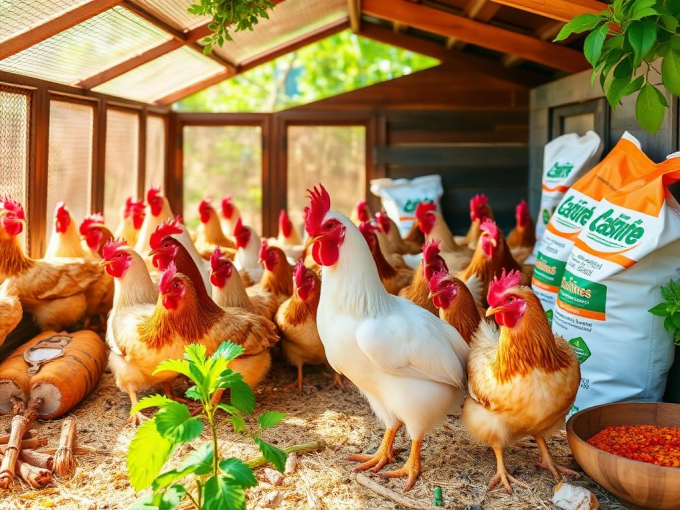
Spice Up the Coop: EFSA Reaffirms Safety of Botanical Blend for Broiler Feed—With a Warning for Handlers
-
![Probiotic Promise, Safety Snag: EFSA Gives Mixed Verdict on Multi-Strain Dog Feed Additive]()
Probiotic Promise, Safety Snag: EFSA Gives Mixed Verdict on Multi-Strain Dog Feed Additive
-
![From Ancient Volcanoes to Modern Feed Mills: EFSA Validates Volcanic Zeolite as Safe and Effective Feed Additive]()
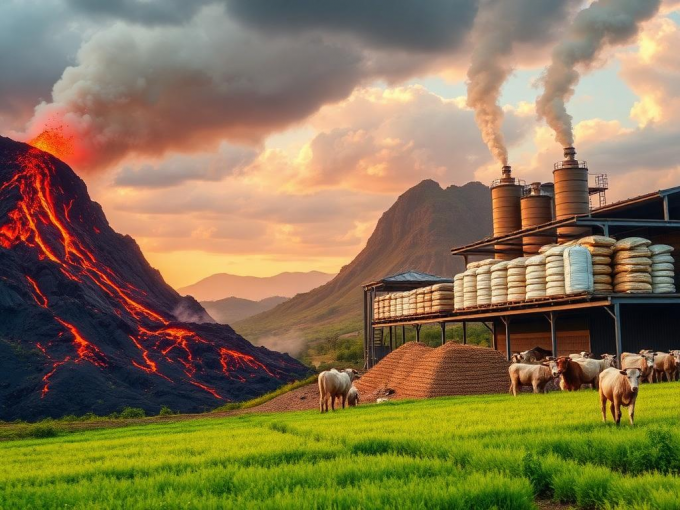
From Ancient Volcanoes to Modern Feed Mills: EFSA Validates Volcanic Zeolite as Safe and Effective Feed Additive
-
![Blue from the Rainforest: EFSA Greenlights Natural “Jagua Blue” as Safe Food Colorant]()
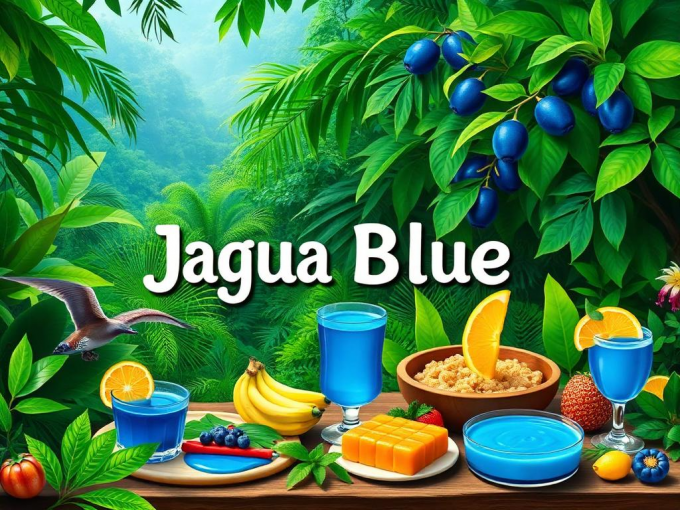
Blue from the Rainforest: EFSA Greenlights Natural “Jagua Blue” as Safe Food Colorant
-
![Lanolin: Benefits for Skin, Cosmetic Uses, and Allergy Risks]()
Lanolin: Benefits for Skin, Cosmetic Uses, and Allergy Risks
-
![Business Society’s Trend Analysis for Epichlorohydrin on September 18, 2026: Weak Rebound (Bearish)]()
Business Society’s Trend Analysis for Epichlorohydrin on September 18, 2026: Weak Rebound (Bearish)
-
![Business Society’s Maleic Anhydride Trend Analysis for September 17, 2026: Volatile Fluctuations]()
Business Society’s Maleic Anhydride Trend Analysis for September 17, 2026: Volatile Fluctuations
-
![Business Society’s Trend Analysis for Propylene Oxide on September 17, 2026: Price Trends Are Volatile]()
Business Society’s Trend Analysis for Propylene Oxide on September 17, 2026: Price Trends Are Volatile
-
![Paraffin Wax vs. Beeswax: Candles, Cosmetics, and Industrial Applications]()
Paraffin Wax vs. Beeswax: Candles, Cosmetics, and Industrial Applications