Why and How to Use Xanthan Gum in Ice Cream
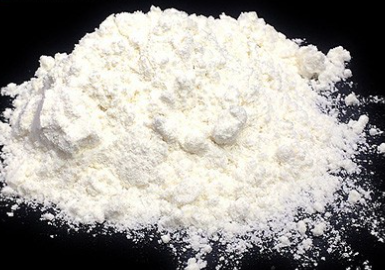
What is xanthan gum ice cream? Can you add this stabilizer to your favorite ice cream? What are the benefits? Xanthan gum is a food additive used as a stabilizer and thickening agent in foods. Many prefer this food stabilizer for its flavorless thickening effects.
Xanthan gum thickens and softens ice cream. Also, it contributes to the uniformity and texture of ice cream and foods. Xanthan gum ice cream provides an enhanced mouthfeel experience due to its creamy texture. Xanthan gum acts as the stabilizer in your ice cream, and yolks are emulsifiers. However, emulsifiers will affect the fats in your ice cream, and the stabilizer will have more impact on the water.
That means eggs will provide stability as an emulsifier and control the smoothness of your ice cream. But xanthan gum will stabilize the ice cream and maintain its texture by limiting water movement and reducing crystal formation. As discovered by some ice cream brands, Xanthan gum in ice cream improves the mouthfeel and makes it creamy and thicker.
Why Should You Make Xanthan Gum Ice Cream?
Since xanthan gum is an anti-ice crystal agent, it can be perfect for making creamy and smooth ice cream. This simple addition will improve the taste and texture of your ice cream. You can add creaminess to your ice cream with xanthan gum. When the ice cream has xanthan gum, it will be delicate and can churn nicely and melt uniformly. Also, you can preserve your ice cream for a long time.
More importantly, you can make high-fat ice cream with xanthan gum without heavy creams. It will act as the thickening agent in liquid while stabilizing the emulsion of the fat particles. You will have a creamy texture and a nice feel with this addition. You will enjoy smooth, creamy, and rich ice cream.
Xanthan gum reduces the growth of ice crystals significantly by influencing viscosity and some rheological elements. These unique qualities of xanthan gum make it the best choice for all ice creams. You can also add this stabilizer when making an ice cream at home. You will love the creamy texture with xanthan gum.
How to Make Xanthan Gum Ice Cream
You can make your ice cream with all your favorite ingredients and add xanthan gum for a creamy texture and desired thickness. You can avoid heavy cream and make high-fat ice cream. Combine all the base ingredients in a bowl and follow the instructions mentioned in the recipe. To know the exact amount of xanthan gum in your ice cream, you can multiply the number of liquid quarts in the ice cream by 1/4. For example, if the recipe uses two quarts of liquid, you can calculate 2 x ¼ = ?. You will have to use 1/2 tsp xanthan gum in your ice cream.
While using xanthan gum, you do not need egg yolks for a creamy mouthfeel. Moreover, it is freeze-thaw and heat-resistant and thickens liquid at any temperature.
Xanthan gum will make your ice cream delicious and creamy with a full-bodied mouthfeel. Your ice cream will melt uniformly and preserve well in the freezer for months.
Looking for chemical products? Let suppliers reach out to you!
You May Interested In


SS-31 Cosmetic peptides, discounted price improving cognitive impairment factory supply
$8E+1/UNIT FOB


2026-09-21
Trade Alert
Delivering the latest product trends and industry news straight to your inbox.
(We'll never share your email address with a third-party.)

Related News
-
ECHEMI High Quality Inquiries (28 Jul- 1 Aug)
-
Seppic Has Developed the 'In Real Life Beauty' Line, a Collection of Six Skin Care Formulations, Inspired by Social Media Buzz
-
European Union Issues Notification of Non-Compliant Xanthan Gum Exported from China
-
The EU has reassessed the safety of xanthan gum as a food additive for babies under 16 weeks of age
-
What are the benefits of cosmetic grade xanthan_gum
-
What You Need to Know About Xanthan Gum in Cosmetics
-
In August 2021, China's total export volume of xanthan gum increased by 11.5% month-on-month
-
Market Analysis - Monthly Report - July, 2020 - Xanthan gum
-
Market Analysis - Monthly Report - June, 2020 - Xanthan gum
-
Xanthan gum Market Analysis in May, 2020
Recommend Reading
-
![Glycopyrronium: Pharmaceutical Applications, Mechanism, and Chemical Specs]()
Glycopyrronium: Pharmaceutical Applications, Mechanism, and Chemical Specs
-
![Applications of Caesium Iodide]()
Applications of Caesium Iodide
-
![Silver Nitrate: Medical Uses, Photography History, and Staining Properties]()
Silver Nitrate: Medical Uses, Photography History, and Staining Properties
-
![Phosphoric Acid: Uses in Cola, Rust Removal, and Fertilizers Explained]()
Phosphoric Acid: Uses in Cola, Rust Removal, and Fertilizers Explained
-
![Hydrobromic Acid: Properties, Uses, and Safety]()
Hydrobromic Acid: Properties, Uses, and Safety
-
![January Propylene Glycol Market Prices Keep Rising]()
January Propylene Glycol Market Prices Keep Rising
-
![This Week Sodium Metabisulfite Prices Stabilize in China (10.20-10.24)]()
This Week Sodium Metabisulfite Prices Stabilize in China (10.20-10.24)
-
![BDO market in China operates steadily]()
BDO market in China operates steadily
-
![This Week's Activated Carbon Prices Remain Stable (10.20-10.24)]()
This Week's Activated Carbon Prices Remain Stable (10.20-10.24)
-
![This week, isopropanol market prices slightly decreased (10.20-10.24) in China]()
This week, isopropanol market prices slightly decreased (10.20-10.24) in China