The Role of Excipients in Pharmaceutical Formulations
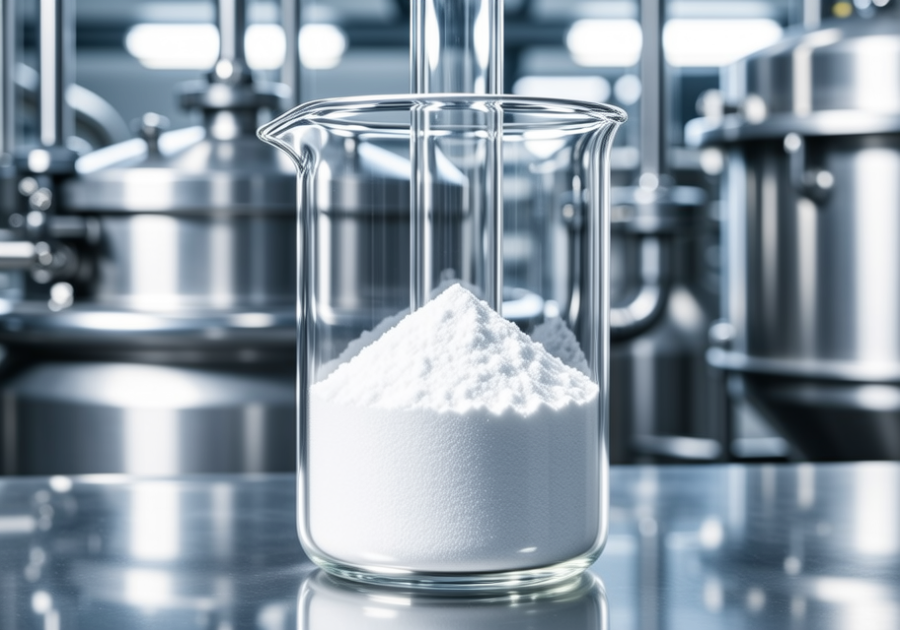
Excipients play a crucial role in pharmaceutical formulations. These are inactive ingredients that are added to medications to aid in the manufacturing process, enhance stability, improve bioavailability, and ensure patient acceptability.
One of the primary functions of excipients is to facilitate the delivery of the active pharmaceutical ingredient (API) to the target site in the body. Excipients can enhance the solubility and dissolution rate of poorly soluble drugs, improving their bioavailability. They can also protect the API from degradation, ensuring its stability throughout the shelf life of the medication.
Excipients also contribute to the physical characteristics of pharmaceutical formulations. They can act as binders, helping to hold the tablet or capsule together. They can provide lubrication to facilitate the manufacturing process and prevent sticking or clogging of equipment. Excipients can also modify the release profile of the drug, allowing for controlled or sustained release formulations.
Furthermore, excipients can enhance patient acceptability and compliance. They can improve the taste, texture, and appearance of medications, making them easier and more pleasant to consume. Excipients can also mask unpleasant odors or protect the drug from gastric irritation.
It is crucial to ensure the quality and safety of excipients used in pharmaceutical formulations. Regulatory authorities have established guidelines and specifications for excipient manufacturers to ensure their suitability for use in medications. These guidelines cover aspects such as identity, purity, stability, and potential interactions with the API.
In conclusion, excipients play a vital role in pharmaceutical formulations. They contribute to drug delivery, stability, physical characteristics, and patient acceptability. By carefully selecting the appropriate excipients and ensuring their quality, pharmaceutical companies can develop safe and effective medications that meet the needs of patients.

You May Interested In


High Quality β-Nicotinamide adenine dinucleotide CAS 53-84-9 NADwith ready stock and best price
$3E+1/UNIT FOB


2026-10-21
Trade Alert
Delivering the latest product trends and industry news straight to your inbox.
(We'll never share your email address with a third-party.)

Related News
-
2019 CPhI Agencies Updates and Q&A (Excipients)
-
Smog Becomes a Sales Catalyst as Respiratory Drugs Surge in November
-
A New Obesity Pill Enters the Arena With Double-Digit Weight Loss
-
Wegovy Slips on Price While Mounjaro Defends Its Weight-Loss Crown
-
Vertex Pushes Gene Therapy Into Younger Children With Blood Disorders
-
China's National Narcotics Control Commission Issues Important Notice: Beware of These 8 Chemicals Being Diverted for Drug Production
-
Lilly’s Mounjaro Enters China’s State Insurance System
-
U.S. Chemical Tariff Deadline Nears as the Industry Faces Cost Repricing and Supply-Chain Adjustment
-
Arkema and ENNEX Forge Global Alliance to Power the Next Generation of Safer, Smarter Battery Separators
-
EU Finalizes Anti-Dumping Duties on Chinese Adipic Acid as Chemical Trade Enters a Rule-Intensive Phase
Recommend Reading
-
![Hormuz Is Reopening, But Chemical Logistics May Take Months to Recover]()
Hormuz Is Reopening, But Chemical Logistics May Take Months to Recover
-
![EU Biocidal Data Protection Extension Raises the Stakes for Chemical Market Entry]()
EU Biocidal Data Protection Extension Raises the Stakes for Chemical Market Entry
-
![European Petrochemical Weakness Leaves Naphtha Oversupplied as Cracker Demand Struggles]()
European Petrochemical Weakness Leaves Naphtha Oversupplied as Cracker Demand Struggles
-
![Trump’s Steel, Aluminum and Copper Tariff Changes Pull Chemical Manufacturing Into the Impact Zone]()
Trump’s Steel, Aluminum and Copper Tariff Changes Pull Chemical Manufacturing Into the Impact Zone
-
![Selling the Family Silver for a New Suit? Why Bohai Chemical’s Transformation Drama Got Canceled After Just Two Acts]()
Selling the Family Silver for a New Suit? Why Bohai Chemical’s Transformation Drama Got Canceled After Just Two Acts
-
![Terminal demand weak, adipic acid market trend declines]()
Terminal demand weak, adipic acid market trend declines
-
![Downstream Demand Weak, DMF Market Primarily Operates at a Weak Level]()
Downstream Demand Weak, DMF Market Primarily Operates at a Weak Level
-
![Business Society’s Market Outlook for Acrylic Acid on August 24, 2026: A Trend Favoring Resistance to Decline]()
Business Society’s Market Outlook for Acrylic Acid on August 24, 2026: A Trend Favoring Resistance to Decline
-
![Butadiene Rubber Market Prices Drop Sharply]()
Butadiene Rubber Market Prices Drop Sharply
-
![Business Society’s Market Outlook for Melamine on August 24, 2026: Fluctuating Trend]()
Business Society’s Market Outlook for Melamine on August 24, 2026: Fluctuating Trend