




Is polyethylene plastic or not?
This short passage developed around the topic “Is polyethylene plastic or not”, giving a basic introduction to both polyethylene and plastic. After reading these posts, you might have a general impression and basic knowledge of what polyethylene is, how many kinds of plastics are there, and whether is polyethylene plastic or not. If you happen to possess such interest in this, let’s have a look.
What is plastic?
Polymers, this is what plastic is. To break down polymers, it is a kind of substance that consists of molecules shaped by subsequently by at least one or above monomer units. While monomers are the linking chains of those molecules, they form together into a large molecule, and that molecule is what polymers or so-called plastic is.
The making of plastic
Plastic is a kind of synthetic material made out of natural, organic matter like natural coal, gas, cellulose crude oil, etc. However, going onward, it is expected that plastics could be produced using waste, or CO2, more sustainable materials.
To produce plastics, two major processes will be applied, one of them is polymerization while the other one is polycondensation. The key component of plastic production is a compound called naphtha, which is separated from crude oil and goes through the entire process of refinery and distillation.
In the production process, different specific types of catalysts are used to create various types of plastics. Catalysts is basically a substance added to a chemical reaction to speed up the reaction, controlling the activation energy or altering the reaction mechanism. With different reaction speeds and mechanisms, polymers in different sizes and structures are formed, and that is what varies different kinds of plastics, which basically could be grouped into two main types: thermoplastics and thermosets.
Types of plastics and their general features
Thermoplastics’ main feature is that they soften when beating and harden once cooled. Polyethylene – short for PE is one of the common kinds of thermoplastics, while there are many more examples like acrylonitrile butadiene styrene (ABS), polyvinyl chloride (PVC), polypropylene (PP) expanded polystyrene (EPS).
Examples of thermosets include epoxide (EP), polyurethane (PUR), and more. The main feature of them is that they will not soften again once molded.
From the general introduction of plastics, it could be seen very clearly that it is positive for the question “Is polyethylene plastic or not”. That will lead us to the introduction of polyethylene.
Overview of polyethylene (PE)
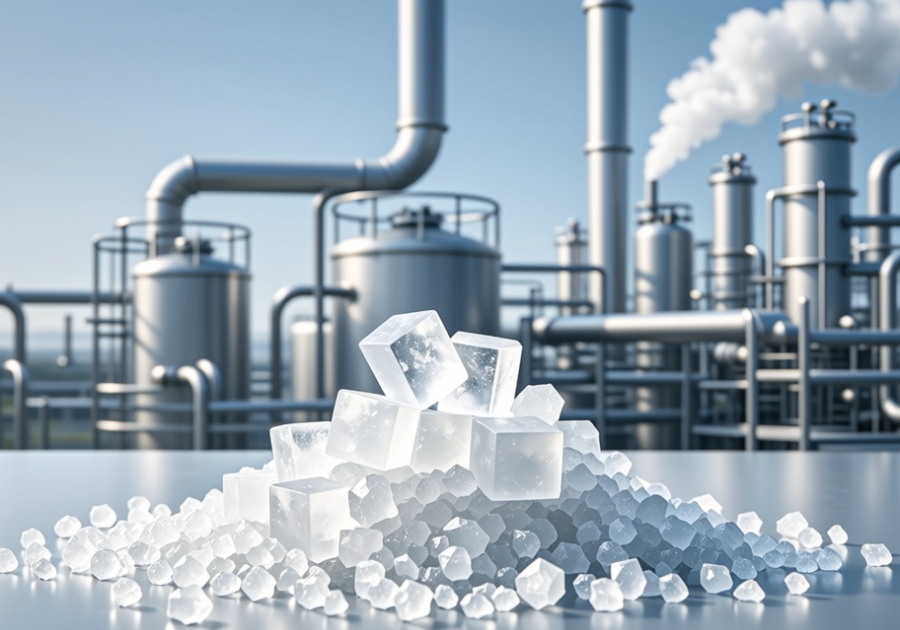
It is said that the key feature that varies different kinds of plastics is the size and structure of their polymers, and the special feature of polyethylene is that its polymer is constructed with a long chain of carbon (C) atoms, while there are two hydrogens (H) atoms attached to each one of the carbon atoms. The formula for polyethylene is C2H4n. It melts at the point of 115-135 °C. It has a Mw < 50 kg mol−1 average molar mass, which is moderate, and on the low-density side. It is one of the most commonly applied kinds of plastics in daily life and mass-produced commercial commodities. Polyethylene is cheap to produce, with great electrical insulation and good chemical resistance, It is tough and flexible, but more importantly, it is highly processable.
Application of polyethylene
Knowing the fact that it is positive for the question “Is polyethylene plastic or not”, we could get into how common is polyethylene being applied. There are largely various types of polyethylene in the markets nowadays, since mid 1950s, when it got commercialized. With different densities and molar masses, polyethylene could be made into different products for different uses, not to mention it is highly flexible and could be shaped into all kinds of products. Dense polyethylene is called HDPE while polyethylene with lower density is called LDPE. There are various products for both with various uses. For example, different kinds of packing materials are mostly made of polyethylene, in the medical field, IUPAC is the most commonly used plastic.
Conclusion:
Throughout the entire passage, we could conclude that it is positive for the question “Is polyethylene plastic or not”. Moreover, by having a general idea of what plastic is and what polyethylene is as one of the types of plastics, we could know a little bit more about the most commonly used material of our daily commodities – polyethylene. This passage went through how plastics are made and what it is made out of before getting into what polyethylene is.
Looking for chemical products? Let suppliers reach out to you!
You May Interested In


Glow70/KLOW80 99% China Peptides Warehouse Direct Delivery Lyophilized Powder in Stock
$169/UNIT FOB


2026-10-19
Trade Alert
Delivering the latest product trends and industry news straight to your inbox.
(We'll never share your email address with a third-party.)

Related News
Recommend Reading
-
![Business Society’s Market Outlook for Ammonium Sulfate on August 25, 2026: A Volatile Pattern]()
Business Society’s Market Outlook for Ammonium Sulfate on August 25, 2026: A Volatile Pattern
-
![Premium Global Chemical Sourcing Requests (15-19 Dec 2025)]()
Premium Global Chemical Sourcing Requests (15-19 Dec 2025)
-
![Local Supply Reduction Leads to Significant Increase in Acrylonitrile Prices]()
Local Supply Reduction Leads to Significant Increase in Acrylonitrile Prices
-
![Support Effective, January Normal Butanol Market Price Increase Exceeds 18% in China]()
Support Effective, January Normal Butanol Market Price Increase Exceeds 18% in China
-
![Business Society’s Market Outlook for Melamine on August 25, 2026: Weak Rebound]()
Business Society’s Market Outlook for Melamine on August 25, 2026: Weak Rebound



- Hot Searches
- ammonia+water
- phenol price
- buying adrenochrome
- price of phenol
- 30 mg tirzepatide peptide for sale
- conductive silicone rubber market
- colored carbon powder
- fluocinolone acetonide oil ear drops 0.01 price
- retatrutide peptide supplier
- food defoamer
- isopropanol vs n propanol
- raw steroid powders