




Food Grade Vegetable Glycerin: Uses, Benefits and Safety
How It’s Made
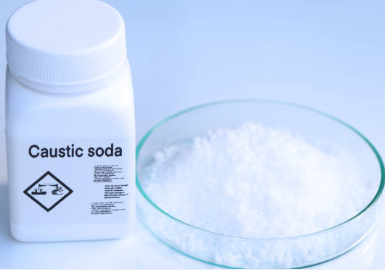
The most common method is saponification, where plant oils like coconut, soy, or palm are broken down with an alkali. The crude glycerin is then purified by distillation to achieve food-grade quality. This ensures safety for direct use in food and personal care products.
Main Properties
- Chemical composition: C3H8O3
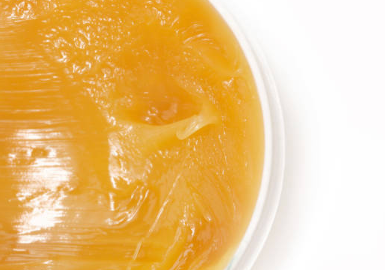
- Appearance: Clear, thick, odorless liquid
- Solubility: Dissolves in water and alcohol
- Hygroscopic: Absorbs and retains moisture
Why Food Grade Matters
- Ensures high purity with strict standards.
- Safe for consumption and recognized as GRAS (Generally Recognized As Safe).
- Certified for use in food, beverages, and supplements.
Uses in Food
- Natural Sweetener: Provides light sweetness in sugar-free drinks and desserts.
- Moisture Retention: Keeps baked goods softer for longer.
- Preservative: Prevents bacterial growth and sugar crystallization.
- Emulsifier: Helps oil and water mix in sauces and dairy drinks.
Other Applications
- Cosmetics: A common base in lotions, creams, soaps, and shampoos for hydration.
- Pharmaceuticals: Improves taste and texture in syrups and lozenges.
- E-Liquids: Provides vapor and smooth inhalation in vaping products.
Safety Notes
- Source awareness: Those sensitive to soy or palm should check product labels.
- Use in moderation: Large amounts may cause digestive upset.
- Trusted suppliers: Always choose food-grade with proper certification.
Quick Reference Table
| Property | Details |
|---|---|
| Chemical Name | Glycerol |
| Source | Vegetable oils (soy, palm, coconut) |
| Key Uses | Sweetener, moisturizer, emulsifier, humectant |
| Solubility | Water and alcohol soluble |
| Safety | GRAS (FDA recognized) |
Conclusion
Vegetable glycerin is a versatile, safe compound with broad benefits in food, cosmetics, and health products. Its moisture-retaining and sweetening properties make it a valuable ingredient across industries. Always choose food-grade products and use in moderation for the best results.
Looking for chemical products? Let suppliers reach out to you!
You May Interested In


Glow70/KLOW80 99% China Peptides Warehouse Direct Delivery Lyophilized Powder in Stock
$169/UNIT FOB


2026-10-25
Trade Alert
Delivering the latest product trends and industry news straight to your inbox.
(We'll never share your email address with a third-party.)

Related News
-
Calcium Sulfate: Properties, Uses, and Applications
-
Chemical Raw Materials: How to Source Quality Suppliers & Understand Grades
-
Sodium Chloride (NaCl): Food Grade vs Industrial Grade Uses & Safety Data
-
Vanillin: Properties, Uses, and Safety
-
Sodium Hydroxide Reactions: With Aluminum, Acids, and Metals
-
Gellan Gum (E418): Vegan Thickener vs. Xanthan Gum in Food
-
Nature’s Blueprint, Science’s Edge: Corteva Unveils Twin Breakthroughs to Tackle the $70 Billion Insect Threat
-
Uses of Sodium Acetate Trihydrate
-
Key Reactions and Uses of Allene
-
Applications of Copper Sulfate Pentahydrate
Recommend Reading
-
![What is Aconitic Acid? (Chemistry & Occurrence)]()
What is Aconitic Acid? (Chemistry & Occurrence)
-
![What are Acetoglycerides? (Definition & Food Industry Uses)]()
What are Acetoglycerides? (Definition & Food Industry Uses)
-
![Lanolin: Benefits for Skin, Cosmetic Uses, and Allergy Risks]()
Lanolin: Benefits for Skin, Cosmetic Uses, and Allergy Risks
-
![Paraffin Wax vs. Beeswax: Candles, Cosmetics, and Industrial Applications]()
Paraffin Wax vs. Beeswax: Candles, Cosmetics, and Industrial Applications
-
![Sodium Hydroxide (Caustic Soda): Soap Making, Cleaning, and pH Control Guide]()
Sodium Hydroxide (Caustic Soda): Soap Making, Cleaning, and pH Control Guide
-
![Trump Urges Ukraine to Halt Russian Refinery Strikes as Diesel Shortage Becomes a Global Policy Issue]()
Trump Urges Ukraine to Halt Russian Refinery Strikes as Diesel Shortage Becomes a Global Policy Issue
-
![Supply and Demand Weigh on Costs, Toluene Market Declines in China]()
Supply and Demand Weigh on Costs, Toluene Market Declines in China
-
![Business Society October 12, 2026 DOP Trend Analysis: Strongly Bullish]()
Business Society October 12, 2026 DOP Trend Analysis: Strongly Bullish
-
![Formic Acid Upward Cycle Ends as Scheduled]()
Formic Acid Upward Cycle Ends as Scheduled
-
![Crude Oil Cost Support Provides Positive Boost, PTA Prices Show Volatile Uptrend]()
Crude Oil Cost Support Provides Positive Boost, PTA Prices Show Volatile Uptrend







- Hot Searches
- n-acetyl sulfonyl chloride
- denatured alcohol supplier
- citrate citric acid
- retatrutide buy usa
- retatrutide 30mg for sale
- medetomidine for sale
- formaldehyde where to buy
- fluocinolone oil ear drops
- retatrutide where to purchase
- ethylene prices
- methyl ethyl ketone for sale
- best source for retatrutide