What is Xanthan Gum Used for in Baking and Why You Should Try It?
What is xanthan gum used for in baking and what exactly is it? Ever thought about that? In this article, we will answer these questions and explain why you should try using xanthan gum in your gluten-free baked goods.
What is Xanthan Gum?
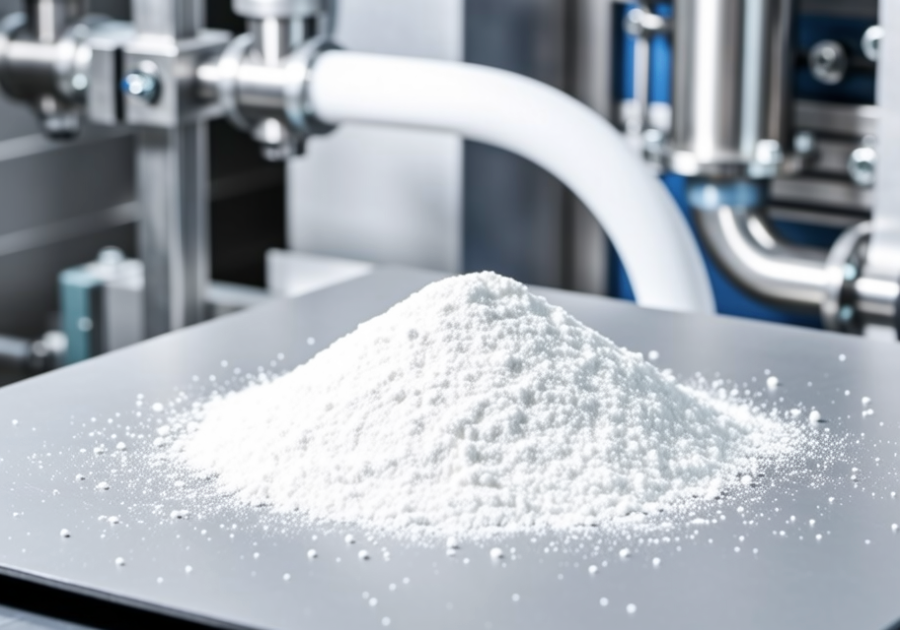
If you are a fan of baking, you may have come across a mysterious ingredient called xanthan gum. Xanthan gum is a fine powder that is derived from the coating of a bacteria called Xanthomonas campestris. This bacterium is commonly found in plants and produces a sticky substance that helps it adhere to the plant's surface. This sticky substance is extracted, purified, and dried to form xanthan gum.
What is Xanthan Gum Used for?
Xanthan gum is widely used as a food additive in various products, such as sauces, salad dressings, ice cream, and toothpaste. It acts as a thickener, stabilizer, and emulsifier, meaning that it helps to prevent ingredients from separating and to create a smooth and uniform texture.
What is Xanthan Gum Used for in Baking?
Xanthan gum is especially useful for gluten-free baking, as it mimics some of the properties of gluten. Gluten is a protein found in wheat and other grains that gives dough its elasticity and strength. It also traps air bubbles, allowing the dough to rise and creating a light and fluffy texture.
However, some people cannot tolerate gluten due to celiac disease or gluten sensitivity. For them, eating gluten can cause digestive problems, inflammation, and other health issues. Therefore, they need to avoid gluten-containing flours and use alternative flours, such as almond flour, rice flour, or sorghum flour.
The problem is that these flours do not have the same binding and rising abilities as wheat flour. Without gluten, the dough or batter can be dry, crumbly, and flat. This can result in disappointing baked goods that lack structure, moisture, and flavor.
This is where xanthan gum comes in handy. By adding a small amount of xanthan gum to your gluten-free flour mix, you can improve the texture and quality of your baked goods. Xanthan gum helps to bind the ingredients together, creating a sticky dough that holds its shape better. It also locks in moisture, preventing the baked goods from drying out quickly. Moreover, it traps the air bubbles produced by the leavening agents (such as baking powder or yeast), providing your baked goods with volume and softness.
How much xanthan gum should you use in your gluten-free baking?
The amount depends on the type of baked good you are making and the flour blend you are using. Generally speaking, you can use about 1/4 to 1/2 teaspoon of xanthan gum per cup of flour for cakes, cookies, and muffins. For loaves of bread and pizza dough, you may need more, up to 1 teaspoon per cup of flour. However, you should always check the ingredients of your flour blend first, as some of them may already contain xanthan gum. In that case, you do not need to add more.
Where to find Xanthan Gum?
You can find xanthan gum in the baking aisle of most grocery stores or online. It is gluten-free and vegan, making it suitable for people with various dietary restrictions. However, some people may be allergic or sensitive to xanthan gum, so if you experience any adverse reactions after consuming it, you should consult your doctor.
How to Store Xanthan Gum?
Xanthan gum is a useful ingredient for gluten-free baking, but it needs to be stored properly to maintain its effectiveness. Otherwise, it might not work properly while baking your recipe. Here are some tips on how to store xanthan gum:
- ·Keep it in an airtight container to prevent moisture from getting in.
- ·Store it in a cool, dark place, such as a cupboard or pantry.
- ·Do not refrigerate it, as this will cause it to clump and lose its ability to hydrate.
- ·Check the expiration date on the package and use it within three years of purchase.
Conclusion
Xanthan gum is a versatile ingredient that can enhance your gluten-free baking experience. By using xanthan gum in your recipes, you can create delicious baked goods that have a similar texture and taste as traditional ones. In this article, we have discussed what is xanthan gum used for in baking, including where to find this ingredient and how to store them as well. So why not give it a try and see the difference for yourself?
Looking for chemical products? Let suppliers reach out to you!
You May Interested In


2026-10-09
Trade Alert
Delivering the latest product trends and industry news straight to your inbox.
(We'll never share your email address with a third-party.)

Related News
Recommend Reading
-
![This Week China's Titanium Dioxide Market Rises (3.1-3.6)]()
This Week China's Titanium Dioxide Market Rises (3.1-3.6)
-
![Business Society’s PC Market Outlook on August 31, 2026: Bullish]()
Business Society’s PC Market Outlook on August 31, 2026: Bullish
-
![Business Society September 30, 2026 Palm Oil Trend Analysis: Volatility]()
Business Society September 30, 2026 Palm Oil Trend Analysis: Volatility
-
![Bulls and Bears Intertwined: Palm Oil Prices Weaken in February]()
Bulls and Bears Intertwined: Palm Oil Prices Weaken in February
-
![This Week PVC Market Continues to Weaken, Short-Term Outlook is Bearish]()
This Week PVC Market Continues to Weaken, Short-Term Outlook is Bearish