Home Remide DIY | How to use Tea Tree Oil for Insect Bites?
How to use tea tree oil for insect bites and why so many people are interested in this simple hack? We have explained this in our article.
Introduction:
Outdoors means encountering insect bites. Let us face it, this is an all-too-common occurrence and we all have been there. For some quite often though leaves them with itchy, and painful reminders of the outdoors.
But Mother Nature doesn't leave us alone as it also provides many remedies, and one of them is tea tree oil. In this article, we will explore the many ways in which tea tree oil offers you a natural, and effective solution and we also focus on the question of how to use tea tree oil for insect bites since it is now commonly searched online.
What is Tea Tree Oil?
When it comes to tea tree oil (a.k.a melaleuca oil), the name is not a generic word given to all extracted oils from any trees. This oil comes from a tree called Melaleuca alternifolia (or tea tree), to be exact, this oil is extracted from its leaves. This particular tree grows in the marshy southeast coast of Australia and got its name in the seventeenth century from local sailors who got into to habit of using it for making tea and proved to be extremely healthy as well.
Today, you will find it in personal care products, such as body washes, cleansers, toners, gels, lotions, and other treatments, that are said to prevent or lessen acne. Although tea tree oil can be administered topically, it is usually diluted with another oil, such as olive or almond, before being applied.
It is also frequently used in aromatherapy procedures. You will find it with 5% to 50% concentrations in gels, shampoos, body washes, mouth rinses, sprays, and creams.
Tea tree oil is used to treat several conditions including athlete's foot, toenail fungus, and acne. It packs tons of antimicrobial and antiseptic properties which is why it is also used for treating insect bites.
How to use Tea Tree oil for insect bites?
As stated before, this oil packs a strong punch of antimicrobial and anti-germs abilities. This effectively helps reduce the redness and the likelihood of the bite becoming infected. But there is a proper way to use tea tree oil to treat insect bites to get the best results:
1. First off, clean the unfortunate body area which got bitten by an insect.
2. Tea tree oil is not used as a standalone treatment. It is diluted with other carrier oils like coconut or olive oils in a standard proportion which is usually 3 to 1 of tea tree oil.
3. Apply this diluted solution with a clean cotton swab and do gentle rubs. You may get instant relief.
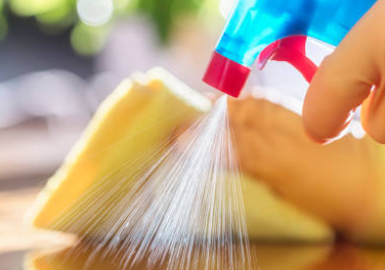
If you have a pure bottle of tea tree oil and want to use it for insect bites, make a diluted solution. For this, pour water into a spray bottle to create a diluted mist. For every ounce of water, mix two to three drops of essential oil with two to three drops of liquid carrier oil. Before using, shake your prepared solution well and then apply spray-on insect bites to provide relief.
Tea tree oil dilution reduces the possibility of skin irritation and is crucial to keep the oil away from the eyes because it might irritate and redden them. Undiluted tea tree oil can cause rashes on the scalp and skin. So, it is advised to first test the oil on your forearm to see if you have any negative side effects before applying it to your scalp or insect bites which can worsen the situation.
Wrapping Up:
We explained how to use tea tree oil for insect bites and the reasons why it is so famous for being used in such cases. Not only for insect bites, this oil is a common component in a lot of cosmetics and acne treatments. Remember that undiluted tea tree oil when used on insect bites can worsen the irritation so don't forget to dilute it with a liquid carrier oil like coconut oil.
Looking for chemical products? Let suppliers reach out to you!
You May Interested In


Glow70/KLOW80 99% China Peptides Warehouse Direct Delivery Lyophilized Powder in Stock
$1.8E+2/UNIT FOB


2026-08-29
Trade Alert
Delivering the latest product trends and industry news straight to your inbox.
(We'll never share your email address with a third-party.)

Related News
-
Methane Lewis Structure Explained: Step-by-Step Guide
-
Caffeine Structure & Effects: What You Should Know
-
Understanding the Arsenate Symbol and Its Uses
-
Viprostol Usage & Precautions: What You Need to Know
-
How to Get Rid of Sulfur Burps Fast: Natural Remedies That Work
-
Clostebol Uses & Safety: What You Should Know
-
What Color Should a Zinc-Copper Couple Be?
-
Acesulfame Potassium: Safety, Side Effects, and Food Uses
-
Polysorbate 80: Food Additive, Medical Use, and Safety
-
Zoledronic Acid: Uses, Mechanism, and Side Effects
Recommend Reading
-
![Sulfur Dioxide Properties & Uses: Industrial, Preservative & Safety Guide]()
Sulfur Dioxide Properties & Uses: Industrial, Preservative & Safety Guide
-
![Anastrozole Side Effects: What You Need to Know]()
Anastrozole Side Effects: What You Need to Know
-
![Why You Should Never Mix Bleach and Vinegar]()
Why You Should Never Mix Bleach and Vinegar
-
![Benzoylecgonine: Detection and Testing Methods]()
Benzoylecgonine: Detection and Testing Methods
-
![Business Society’s Market Outlook for Lithium Carbonate on August 13, 2026: Clearly Upward Trend]()
Business Society’s Market Outlook for Lithium Carbonate on August 13, 2026: Clearly Upward Trend
-
![Business Society’s Market Outlook for China’s Hydrofluoric Acid on August 14, 2026: Volatile Consolidation]()
Business Society’s Market Outlook for China’s Hydrofluoric Acid on August 14, 2026: Volatile Consolidation
-
![Business Society’s Market Outlook for China’s Hydrofluoric Acid on August 13, 2026: Volatile and Tending to Weaken]()
Business Society’s Market Outlook for China’s Hydrofluoric Acid on August 13, 2026: Volatile and Tending to Weaken
-
![Business Society’s DOP Market Outlook on August 14, 2026: Clearly Upward Trend]()
Business Society’s DOP Market Outlook on August 14, 2026: Clearly Upward Trend
-
![Business Society’s Market Outlook for Maleic Anhydride on August 14, 2026: Volatile (Bearish)]()
Business Society’s Market Outlook for Maleic Anhydride on August 14, 2026: Volatile (Bearish)