




What does Boric Acid Treat | Detailed Explanation
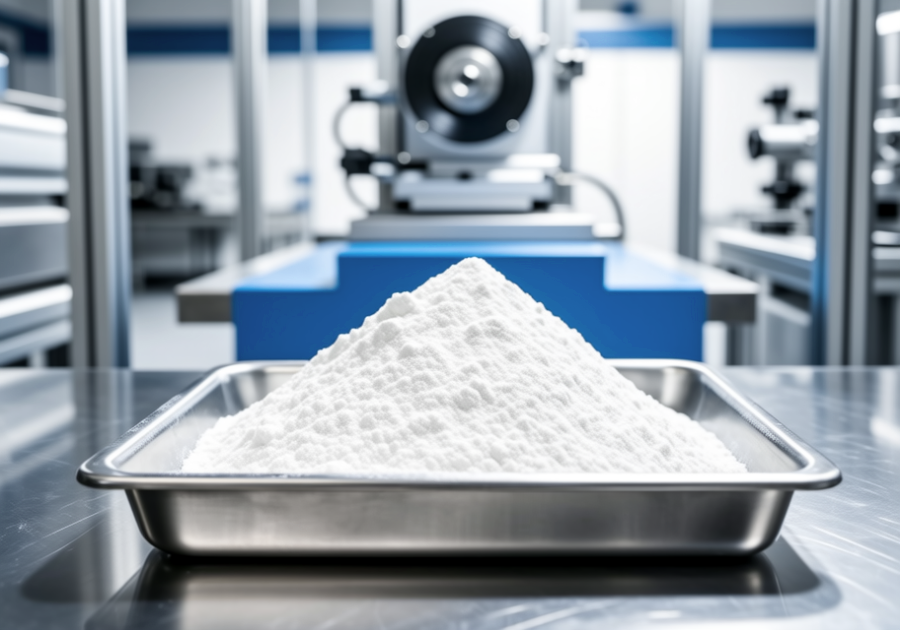
Boric acid is a kind of powder with a white color. It feels very smooth. You might heard of it on occasion when your skin has chronic inflammation. As a matter of fact, it is used to cure many skin diseases. So what does boric acid treat?
What does boric acid treat?
Below are some detailed information.
1.Treating acute and chronic inflammation of the skin: Boric acid is a weak preservative with strong antibacterial effects, which can inhibit both Gram-positive and negative bacteria. It is mainly used for the treatment of acute and chronic inflammation of the skin and mucosa, eczema, prickly heat, and mild and small superficial wounds.
2. Treating inflammation and allergies: If there is acute or chronic inflammation in the skin, it might cause itching and swelling. If your skin contact with allergic substances by accident, there will be allergic reactions and discomfort such as redness and itching. Boric acid can be used as a wet compress to alleviate these discomfort symptoms.
It can have a certain inhibitory effect on inflammatory reactions by regulating the body's immune system, inhibiting the production of inflammatory mediators, and alleviating the symptoms of related diseases. Boric acid has a good therapeutic effect on inflammatory diseases such as rheumatoid arthritis, knee osteoarthritis, and psoriasis.
3. Promoting muscle growth and wound healing: It has the effect of anti-corrosion and helping muscle to grow. If there is a bacterial infection on the skin, causing skin damage, it can be used as a wet compress to help the wound heal in a good way.
4. Strengthen bone health: It can enhance bone health, and prevent and treat osteoporosis. It can affect the body's absorption and utilization of calcium, promote increased bone density, and reduce the incidence of fractures.
What is the difference between iodophor and boric acid?
Iodophor has a broad-spectrum bactericidal effect, it can denature pathogen proteins and kill bacteria, fungi, and some viruses. It is mainly used for skin mucosal disinfection and can also be used to treat skin infections.
Boric acid has a weak inhibitory effect on bacteria and fungi, mainly through the amino binding of acid and protein in bacteria, playing a bacteriostatic role. Boric acid has less irritation than iodophor and can be used to clean the damaged skin and mucous membranes. It is also used for wet compresses against acute dermatitis and eczema exudation. Besides it can be used as a mouthwash for stomatitis and pharyngitis.
Although iodophor and boric acid are very common and widely used, you should follow the doctor’s advice and not take them on your will.
What is the side effect of boric acid?
When using boric acid, it should be consumed in moderation to avoid excessive poisoning and health hazards, otherwise, it may cause harm to your body:
1. May cause skin damage: Boric acid is used for skin disinfection, but excessive use or use by sensitive individuals can cause various types of skin irritation, and in severe cases, it may cause skin damage.
2. Chronic poisoning: Long-term exposure to boric acid on damaged skin can cause toxins to penetrate from the skin into the body, ultimately it will lead to chronic poisoning and cause adverse reactions such as dermatitis, hair loss, and stomach discomfort.
3. Acute poisoning: Eating boric acid by mistake can lead to acute poisoning and cause symptoms such as vomiting, nausea, and diarrhea. In severe cases, fever, dehydration, coma, liver and kidney damage may occur. You should seek medical help immediately.
How to treat boric acid poisoning?
If boric acid poisoning unfortunately occurs, the following methods can be used for treatment.
1.Medical treatment: Magnesium sulfate can be used for oral catharsis. However excessive consumption can cause respiratory depression, sudden drop in blood pressure, and even death. For patients with convulsions and irritability, medication such as diazepam and phenobarbital can be used, but it is prohibited for those with liver and kidney dysfunction.
When patients experience symptoms such as severe pain, morphine can be used as an analgesic, which can cause dizziness. But morphine should not be used for a long time and is prone to addiction.
2. Inducing vomiting treatment: For oral poisoning, immediately induce vomiting, wash the stomach with warm water, physiological saline, or 2% sodium bicarbonate solution, and induce diarrhea. For skin infections, rinse with water.
3. Electrolyte supplementation: Intravenous infusion of physiological saline or 5% glucose saline.
4. Patients with severe poisoning should undergo early blood exchange or dialysis therapy.
Conclusion
This article mainly talks about some knowledge about boric acid, such as its effect and side effects, the difference from iodophor, and how to treat boric acid poisoning. What does boric acid treat? Now you must know the answer!
Looking for chemical products? Let suppliers reach out to you!
You May Interested In


SS-31 Cosmetic peptides, discounted price improving cognitive impairment factory supply
$8E+1/UNIT FOB


2026-09-19
Trade Alert
Delivering the latest product trends and industry news straight to your inbox.
(We'll never share your email address with a third-party.)

Related News
-
Acesulfame Potassium: Safety, Side Effects, and Food Uses
-
Zoledronic Acid: Uses, Mechanism, and Side Effects
-
Why You Should Never Mix Bleach and Vinegar
-
Benzoylecgonine: Detection and Testing Methods
-
What Color Should a Zinc-Copper Couple Be?
-
Anastrozole Side Effects: What You Need to Know
-
Polysorbate 80: Food Additive, Medical Use, and Safety
-
Understanding the Arsenate Symbol and Its Uses
Recommend Reading
-
![Rumors of Production Resumption Break Lithium Carbonate's Upside Trend]()
Rumors of Production Resumption Break Lithium Carbonate's Upside Trend
-
![Business Society’s Trend Analysis for Isooctanol on September 15, 2026: Strong Consolidation]()
Business Society’s Trend Analysis for Isooctanol on September 15, 2026: Strong Consolidation
-
![Supply Increase Leads to Decline in Maleic Anhydride Market in China]()
Supply Increase Leads to Decline in Maleic Anhydride Market in China
-
![Formic Acid Market Stabilizes First, Then Rises; Prices Remain Stable at High Levels]()
Formic Acid Market Stabilizes First, Then Rises; Prices Remain Stable at High Levels
-
![Business Society’s Benzene Anhydride Trend Analysis for September 15, 2026: Clearly Upward]()
Business Society’s Benzene Anhydride Trend Analysis for September 15, 2026: Clearly Upward




- Hot Searches
- retatrutide wholesale
- potassium cyanide for sale
- silicic acid potassium salt
- where to buy reta peptide
- nylon 6 6 price
- coagulant chemicals distributor
- best source for retatrutide
- pippercillin
- teriparatide injection
- johnson matthey chemical products
- retatrutide supplier china
- cost of calcitonin nasal spray