60% of IV Fluid Production Disrupted! The U.S. Healthcare System Faces a Severe Shortage Crisis, FDA Urgently Imports Foreign Drugs
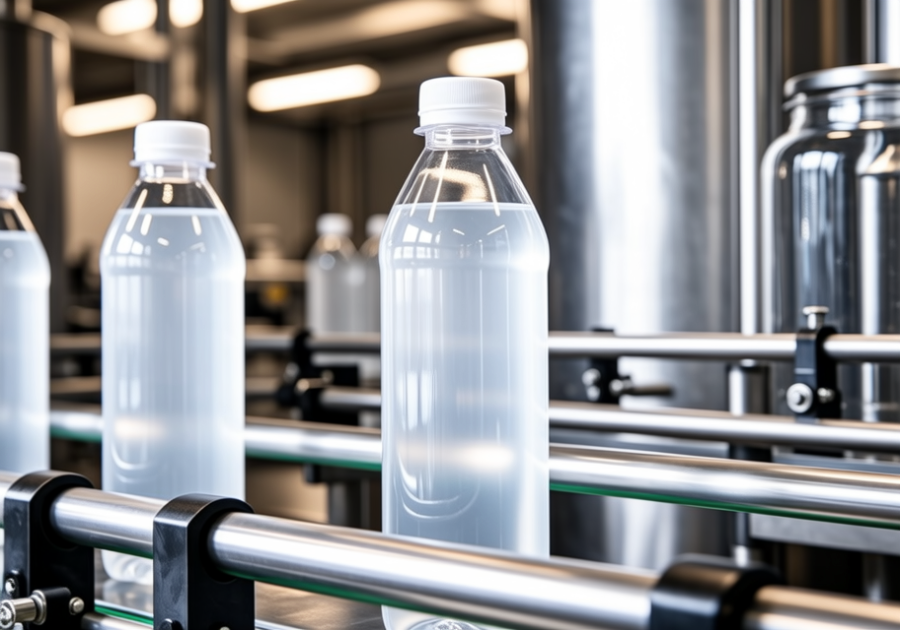
Recently, the U.S. Food and Drug Administration (FDA) revealed that Hurricane Helen caused significant damage to an important manufacturing facility in North Carolina, further exacerbating an IV infusion shortage that has been ongoing for some time. The plant is responsible for producing about 60 percent of the intravenous fluids used in U.S. hospitals, so its shutdown has had a major impact on the health care system. To alleviate this shortage, the FDA has begun importing products from overseas to ensure that patients receive the treatment they need in a timely manner.
At the same time, the European Medicines Agency (EMA) also reported a worrying trend: growing shortages of essential medicines, including antibiotics and cancer treatments, due to production disruptions and regulatory challenges. In response to this crisis, the European Union launched a coalition aimed at strengthening cooperation among its 23 member states to ensure the stability and reliability of the drug supply chain.
These seemingly unrelated and geographically dispersed examples actually highlight the pharmaceutical industry's dependence on fragile supply chains, which further underscores the urgent need to reevaluate and restructure supply chains. According to a KPMG report, the US leads the generic market with a prescribing rate of around 90 per cent, while prescribing practices across Europe show a similar trend.
"Global demand for generics continues to grow as payers and consumers look for ways to cut healthcare costs," KPMG noted. However, despite the rise in demand, buyers in the market are also consolidating, creating more leverage in pricing. That means increased profit pressure on suppliers and the increasing likelihood that manufacturers will exit unprofitable products.
As a result, some companies are under intense pressure to ramp up production to meet soaring demand while maintaining drug efficacy and safety standards. This double pressure makes quality problems one of the main reasons for drug shortages. In addition, many drug manufacturers lack real-time inventory data, which hampers their ability to effectively manage supply. Inadequate communication among manufacturers, pharmacies and hospitals further complicates efforts to anticipate and address shortages.
Visibility and collaboration are key to addressing these inefficiencies and thus achieving supply chain resilience. From raw materials to finished products, real-time inventory tracking enables pharmaceutical companies to significantly improve visibility and facilitate agile decision making. Suppose manufacturers predict potential shortages by analyzing current inventory levels of active ingredients; This enables them to proactively adjust production schedules.
It also enables healthcare providers to effectively manage inventory levels and prevent overstocking or out of stock of critical drugs. This allows the industry to detect disruptions early, such as delays in procurement or materials, and take proactive action before these problems turn into serious shortages. In addition, leveraging predictive analytics enables companies to simulate various scenarios and develop contingency plans, ensuring they are prepared for potential disruptions. By analyzing historical data, market trends, production capacity, regulatory changes, and previous shortage events, the pharmaceutical chain can provide accurate forecasts.
This proactive approach allows healthcare systems to adjust inventory levels in advance or secure alternative suppliers. If one facility is affected by a natural disaster, others can continue to operate, ensuring the supply of essential medicines. However, visibility alone will not unlock the full potential of the supply chain. Communication must be enhanced as medicines move from manufacturer to distributor to hospital.
A whole cycle of communication needs to be established between various stakeholders, including suppliers, healthcare providers, and regulators, so that manufacturers can match their production rates to actual usage. This smooth flow of data allows organizations to better coordinate responses during shortages. Only 14 percent of drugs in clinical trials are approved by the FDA, resulting in an average development cost of $1 billion per approved drug. This financial burden underscores the need for more efficient processes, and commercial AI has the potential to be the missing ingredient.
Gilead Sciences, Inc., a biopharmaceutical company, is co-innovating with SAP to develop the SAP Life Sciences Batch Release Center. The tool performs control checks on manufactured drug batches to help organizations maintain compliance with regulatory standards across regions. The rise of generative AI has allowed researchers to explore a wider range of potential compounds than traditional methods. It can be used to detect disease patterns across a wide range of data sets, helping to determine the best drug compositions for a variety of conditions.
By leveraging AI, the pharmaceutical industry can reduce research and development costs, minimize human error, shorten research times, and make essential medicines more accessible, affordable, and profitable. While the global drug shortage is a complex challenge that will not be solved quickly, prioritizing cooperation, transparency, and proactive strategies can help build a more resilient drug supply chain.

You May Interested In


Glow70/KLOW80 99% China Peptides Warehouse Direct Delivery Lyophilized Powder in Stock
$169/UNIT FOB


2026-10-24
Trade Alert
Delivering the latest product trends and industry news straight to your inbox.
(We'll never share your email address with a third-party.)

Related News
-
WACKER’s 2025 Loss Reaches €805 Million as the PACE Cost-Cutting Plan Becomes the Key Variable for 2026
-
India Proposes New GMP Rules for Clinical Trial and API Manufacturing
-
The End of Hype: Europe’s Bio-stimulant Industry Faces a Science-First Reckoning by 2030
-
Japan Tightens the Rules—Then Loosens Them: A Surprising Shift in Food Additive Policy
-
FDA’s Warning to Compounders Raises the Stakes for API and Excipient Suppliers
-
2026 Q1 Chemical Giant Earnings: Supply Contraction, Flat Demand, Full-Scale "Defense Priority"
-
U.S. Finds Methionine Dumping Could Recur, With Japan Margin Up to 76.50%
-
U.S. Finds Chinese Potassium Phosphate Dumping Could Recur at Margins Up to 95.40%
-
U.S. Finds Methionine Dumping Could Recur, With Japan Margin Up to 76.50%
-
EU PIC Amendment Adds Over 30 Chemicals to Control List and Bans 3 POPs Exports
Recommend Reading
-
![UK Proposes Anti-Dumping Duties of Up to 63.66% on Chinese Rutile Titanium Dioxide]()
UK Proposes Anti-Dumping Duties of Up to 63.66% on Chinese Rutile Titanium Dioxide
-
![U.S. Sets Preliminary 107.57% Countervailing Rate on Chinese Rubber Accelerator CBS]()
U.S. Sets Preliminary 107.57% Countervailing Rate on Chinese Rubber Accelerator CBS
-
![U.S. Announces Preliminary 0.61% Dumping Margin for India's SRF PET Film]()
U.S. Announces Preliminary 0.61% Dumping Margin for India's SRF PET Film
-
![U.S. Delays Mandatory GRAS Notification Proposal, Pushing Food-Additive Overhaul to Year-End]()
U.S. Delays Mandatory GRAS Notification Proposal, Pushing Food-Additive Overhaul to Year-End
-
![U.S. Section 232 Pharmaceutical Tariffs Take Effect, With 100% Base Rate on Patented Drugs and APIs]()
U.S. Section 232 Pharmaceutical Tariffs Take Effect, With 100% Base Rate on Patented Drugs and APIs
-
![Polyethylene Rides High, Price Fluctuations Limited]()
Polyethylene Rides High, Price Fluctuations Limited
-
![Polyester Bottle Flakes Soared This Week, Then Fell Back from High Levels]()
Polyester Bottle Flakes Soared This Week, Then Fell Back from High Levels
-
![This Week's Caustic Soda Prices Remain Firm (3.16-3.20)]()
This Week's Caustic Soda Prices Remain Firm (3.16-3.20)
-
![This Week's Styrene Market Fluctuates and Rises (3.16-3.20)]()
This Week's Styrene Market Fluctuates and Rises (3.16-3.20)
-
![Sodium Metabisulfite Prices Rise This Week (Mar. 16-20)]()
Sodium Metabisulfite Prices Rise This Week (Mar. 16-20)