




Is Dried Bleach Harmful | Explainaton and Precautions
Is dried bleach harmful if exposed to our skin? What about the wet bleach in a solution? This article explains the hazardous nature of bleach and its potential effects on human beings.
You will find bleach in almost every household, and it serves many purposes, but each has earned a staple position in many cleaning routines in our homes. Bleach contains sodium hypochlorite as the active ingredient in their solution mixed with water and other additives. This chemical works as a strong oxidizing agent and breaks down cell walls in bacteria and fungi. This makes it an effective disinfectant when used on floors and other surfaces.
Although it poses strong benefits to us, it still comes with different health concerns in its wet and dried forms. That is why netizens are searching for the keywords Is dried bleach harmful or not? Let us explore both scenarios.
Is Wet Belach harmful?
When freshly applied, it poses a range of health risks due to its fumes and reactive properties linked with its strong oxidizing nature. Below are possible harmful effects on our bodies:
1. Bleaches are often mixed with other commonly used household cleaners, which release chlorine gas upon application. This can irritate your throat and lungs, even your eyes, if the fumes are near your face. Prolonged exposure should be avoided.
2. Direct exposure to bleach on your skin can result in skin redness, itching, and, in extreme cases, blistering. Due to the oxidizing nature of bleaches, the skin can get chemical burns.
3. Not only skin the bleach can also damage surfaces, especially those which are not compatible to be used with bleaches, like plastic or certain fabrics.
Is Dried Bleach Harmful?
The dried bleach loses all its chlorine content as it evaporates during the process of evaporation and leaves behind sodium carbonate or bicarbonate, which dries, leaving a dusty residue. This significantly reduces its potency as a disinfectant. Although being less potent as compared to wet bleach, it still poses hazards to us.
1. Being in dried form, this bleach exists in a fine powder, which can leave behind residues, leading to irritation to our skin and membranes upon direct contact. It can also lead to irritation to the respiratory tract if inhaled, as it is a fine powder.
2. This dried bleach, if it comes in contact with water, can again release chlorine gas, posing a risk of inhalation hazards.
3. Dried bleach, in powdered form, can damage the fabric when in contact. This can lead to causing discoloration or even holes in the fabrics.
Safety Precautions:
Due to their linked hazards, strong safety precautions are advised when handling them during cleaning in house hold settings. Some are:
1.Always maintain a proper airflow when using bleach in your house. This is to reduce the buildup of fumes, especially in enclosed areas.
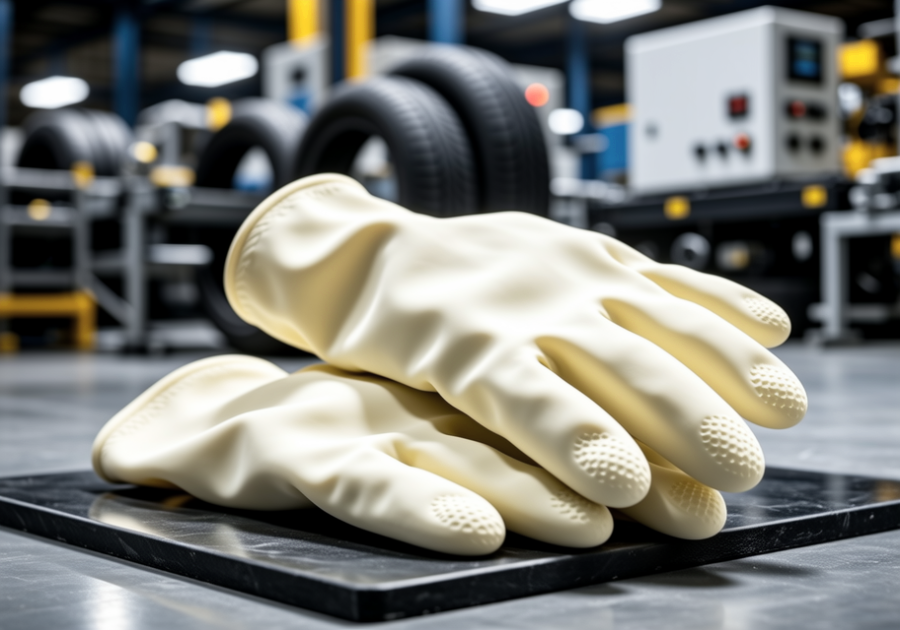
2. Arrange household cleaning gloves and a mask to protect your skin and respiratory tract. Keep your eyes away from such a solution.
3. It is always recommended not to mix it with other cleaners, especially never mix bleach with ammonia. This can result in a significant release of toxic gases, which can harm your skin.
4. After using bleach for cleaning purposes, always rinse the treated area with a good amount of water to reduce the chances of leaving hazardous residues behind. This is especially recommended for those who have sensitive skin.
Sodium hypochlorite remains one of the most common household cleaning chemicals all around the world, and if your business involves such chemicals, then we recommend browsing listings for sodium hypochlorite on the Ehcemi marketplace. With more than 200 categories of different chemicals and 200,000 certified suppliers, this marketplace is a great B2B platform for safe and transparent trading.
Wrapping up:
As we conclude the topic “Is dried bleach harmful,” we can state that both wet and dried forms are hazardous, but the wet poses more problems to our skin and respiratory tract. Proper ventilation should be maintained, and it should not be mixed with other cleaners to avoid the emission of hazardous gases. To avoid skin contact, use proper gloves and maintain distance when cleaning.
Looking for chemical products? Let suppliers reach out to you!
You May Interested In


Glow70/KLOW80 99% China Peptides Warehouse Direct Delivery Lyophilized Powder in Stock
$169/UNIT FOB


2026-10-23
Trade Alert
Delivering the latest product trends and industry news straight to your inbox.
(We'll never share your email address with a third-party.)

Related News
Recommend Reading
-
![Urea market prices fluctuated and rose in March in China]()
Urea market prices fluctuated and rose in March in China
-
![Geopolitical Premium Fades, Ethylene Glycol Prices Rapidly Decline]()
Geopolitical Premium Fades, Ethylene Glycol Prices Rapidly Decline
-
![Business Society’s Market Outlook for Natural Rubber on August 10, 2026: Slight Consolidation]()
Business Society’s Market Outlook for Natural Rubber on August 10, 2026: Slight Consolidation
-
![Business Society’s Market Outlook for Petroleum Coke on August 21, 2026: Decline]()
Business Society’s Market Outlook for Petroleum Coke on August 21, 2026: Decline
-
![Cost Support and Tightening Supply Fuel March Toluene Market Rally]()
Cost Support and Tightening Supply Fuel March Toluene Market Rally



- Hot Searches
- where to buy anadrol
- chronic cervicitis with squamous metaplasia
- polyethylene naphthalate price
- methanol gas price
- how much does kerosene cost a gallon
- soda-lime
- retatrutide vendor
- ethylene glycol price
- ammonia nitrate prill
- pacific chemicals
- polypropylene price per ton nigeria 2026
- kero prices