




EU Moves Toward PFAS Ban with Potential Industry Exceptions
The European Union is progressing towards a PFAS ban, as highlighted by EU Environment Commissioner Jessika Roswall in a recent interview with Reuters. However, this regulation may include specific allowances for critical industrial applications. The finalization of the EU's draft regulation is not expected until next year at the earliest, as officials work to define what constitutes "essential" exceptions.
Roswall emphasized the importance of banning PFAS in consumer products, stating, “This is something that is important for us human beings, of course, but also for the environment.” The aim is to provide clarity for industries on how to phase out these substances.
A spokesperson for the EU Commission noted that some applications currently lack alternatives to PFAS, particularly in sectors such as energy, mobility, chemicals, medical, and electronics. The Commission is keen to prevent investment uncertainty during what is expected to be a lengthy decision-making process.
While the Commission supports a ban on PFAS in consumer goods like cosmetics and food contact materials, it is open to allowing continued use in critical industrial applications under strict controls until viable substitutes are developed. This approach would be accompanied by stringent emission and disposal regulations to mitigate environmental release and encourage innovation for sustainable alternatives.
The implications of a PFAS ban are significant for the apparel industry. PFAS, a group of chemicals used since the 1940s, are valued for their resistance to extreme temperatures and corrosion, making them common in products ranging from clothing to high-performance gear. However, growing concerns about their environmental impact and health risks—linked to liver damage and certain cancers—have prompted calls for stricter regulations.
Almost two years ago, a coalition of Denmark, Germany, the Netherlands, Norway, and Sweden proposed a comprehensive ban on PFAS, targeting around 10,000 substances. This initiative aims to prevent approximately 4.4 million tonnes of PFAS from entering the environment over the next 30 years.
In April 2024, France plans to enforce a ban on PFAS-laden apparel, with the legislation gaining unanimous support in its National Assembly committee. Meanwhile, in the U.S., over 36 states are considering new restrictions on hazardous substances, including PFAS.
Many prominent fashion brands, such as H&M, Inditex, and Levi Strauss, have supported a complete prohibition on PFAS in Europe. However, the EU's plan faces challenges from corporate lobbying efforts, as detailed in a report by Corporate Europe Observatory. This non-profit organization has documented significant lobbying aimed at diluting proposed restrictions on PFAS.
As the EU moves forward with its regulatory agenda, the outcomes will be crucial for both public health and the future viability of many industries.
Looking for chemical products? Let suppliers reach out to you!

You May Interested In

Industrial Grade 99% Caustic Soda in Flake Pearl and Solid Forms
$350-400/MT FOB


Industrial Grade 99.9% High Purity Ethyl Acetate Organic Solvent
$800-850/MT FOB


Toluhydroquinone 99.0%Min White to off-white crystalline powder RC00005
$36.5-47.4/KG EXW
2026-07-04
-
Paint & Coating Industry Overview Mar.2025
This issue provides analysis of the European and German coatings markets, as well as the latest monthly reports and price trends of coatings-related chemical raw materials. Support online permanent download.Published in: Mar.2025
Trade Alert
Delivering the latest product trends and industry news straight to your inbox.
(We'll never share your email address with a third-party.)

Related News
-
India Swings the Tariff Axe at Made-in-China: Epoxy Resins Are Just the Beginning—The Road for Chinese Chemicals Abroad Is No Longer Smooth
-
ENEOS and Mitsubishi Chemical Complete Chemical Recycling Facility at Ibaraki Plant
-
Sherwin-Williams Opens High-Performance Industrial Coatings Facility in Saskatchewan
-
Asahi Kasei Plans to Double Photosensitive Polyimide Production Capacity by 2030
-
BASF Becomes Sole Owner of Alsachimie with Strategic $49 Stake Acquisition
-
AkzoNobel and Mercedes Benz Renew Strategic Partnership Until 2028
-
Chevron Phillips Chemical Completes Low-Viscosity PAO Expansion in Belgium
-
Exit! Why Did Clariant Divest Its Venezuelan Business at a “Low Price”?
-
Four Global Companies Unite to Produce Sustainable Aviation Fuel from Biomass and Waste
-
From Painting Walls to Total Collapse: The RMB 152 Million Debt That Tore Off the Last Veil of Asia Chuangneng’s Paint Empire
Recommend Reading
-
Yulong Petrochemical’s 100,000-ton MMA Project Comes Online Amid a “Deep V-Shaped Rebound” — Opportunity or Hidden Risk?
-
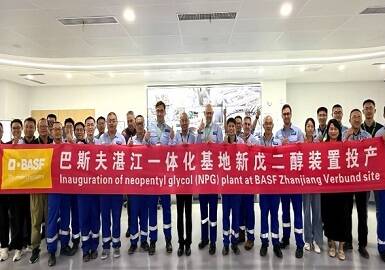
BASF’s Zhanjiang Integrated Site Commissions New Neopentyl Glycol (NPG) Unit
-

BASF Partners with Andritz for Carbon Capture Project in Aarhus
-

When Light Falls on Metal: The Industrial Romance of Xiaomi × BASF
-

China’s Titanium Dioxide Giant Makes a Move: LB Group Acquires UK Venator Assets
-
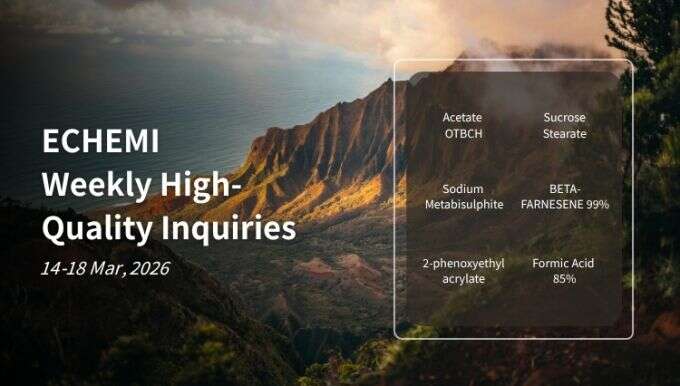
Premium Global Chemical Sourcing Requests (14 - 18 Mar, 2026)
-

Acetophenone: Properties, Uses, and Applications
-
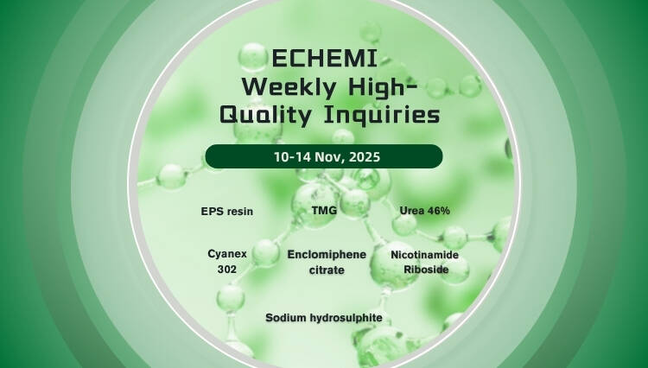
Premium Global Chemical Sourcing Requests (10-14 Nov 2025)
-

BASF and IFF Collaborate to Accelerate Innovation in Enzymes and Polymers
-

Warehouse Receipt Cancellation Fuels Market Sentiment, Driving Lithium Carbonate Prices Higher