Not Just Food Additives: Nutritional Value Of Xanthan Gum
Have you ever paid attention to the food ingredient list? Is the name of xanthan gum somewhat familiar? Perhaps in most people's perception, it is just a food additive, but its value goes far beyond that. When discussing nutritional value, we may first think about protein and vitamins, but few people turn their attention to xanthan gum. It is widely used in the food industry and is closely related to the taste of food, and it even affects our nutrient absorption. With the increasing attention to food nutrition, the nutritional value of xanthan gum has gradually become a hot topic. Let’s explore it together.
What is Xanthan Gum?
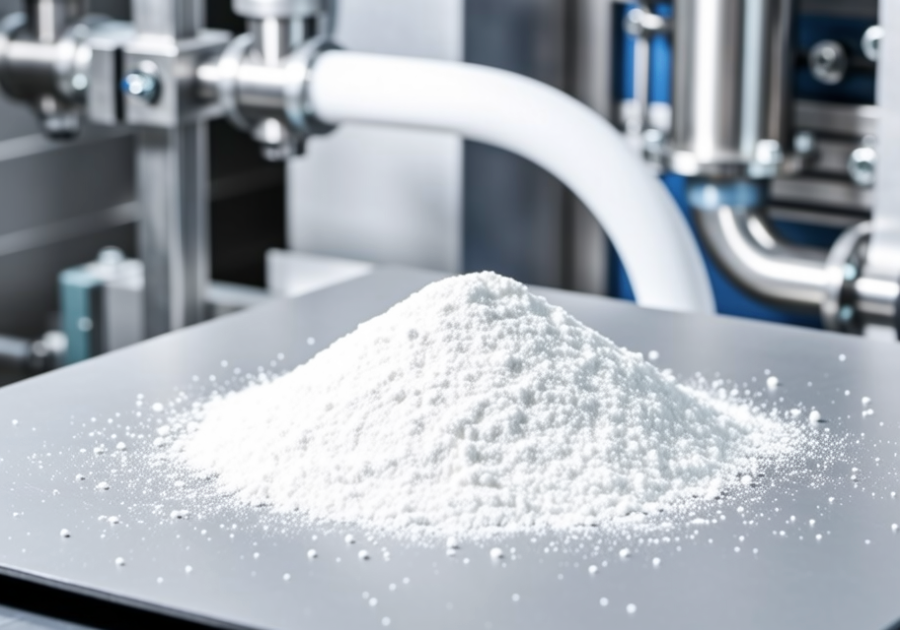
It is an extracellular acidic heteropolysaccharide produced by the fermentation of sugar by Pseudomonas aeruginosa. It is usually a white or light yellow powder that can quickly dissolve in water, forming a high-viscosity stable solution. It has good tolerance to acids, bases, and salts and can maintain its structural stability even under high temperatures.
Due to its excellent thickening, suspension, emulsification, and stability, xanthan gum is widely used in various industries such as food, cosmetics, and pharmaceuticals. In the food industry, it is often used as a thickener, stabilizer, and emulsifier, which can improve the taste of food and extend its shelf life. It is also used in cosmetics to regulate the viscosity of products and enhance stability.
Nutritional Value Of Xanthan Gum
Xanthan gum, like carbohydrates, belongs to polysaccharide substances. However, it is difficult for digestive enzymes to break down and absorb it in the human body, so it produces almost no calories. Therefore, it is suitable for people who do not want too much calorie intake.
As a dietary fiber, it is beneficial for intestinal health. It can promote intestinal peristalsis, thereby preventing and relieving constipation problems. At the same time, it can act as a prebiotic, providing nutrients for beneficial bacteria in the gut to regulate the balance of gut microbiota. It can also enhance the intestinal barrier function, thereby reducing the risk of intestinal diseases.
In some special cases, xanthan gum has a protective effect on other nutrients in food. For example, it can prevent oil oxidation and indirectly retain nutrients such as unsaturated fatty acids in some high-fat foods. For patients with diabetes, it can delay the digestion and absorption of carbohydrates to avoid a rapid rise of blood sugar and help stabilize it.
Besides, it can improve the taste of food, making it easier to chew and swallow. For some special people, such as the elderly or those with swallowing difficulties, it can increase their acceptance of food and ensure their nutritional intake. Overall, although the nutritional value of xanthan gum is not as significant as traditional nutrients, its proper use can maintain human health.
In addition, it can also be used as an adhesive for pharmaceutical preparations. For example, it can help shape tablets. It is also used in some sustained-release formulations to control the release rate of drugs and prolong their efficacy.
Misunderstandings Regarding The Nutritional Value Of Xanthan Gum
Some people believe that xanthan gum, as an artificially synthesized food additive, is harmful to our health and has no nutritional value. But in reality, it is a natural biopolymer produced through microbial fermentation. Although it can not provide a large amount of energy like fats and carbohydrates, it can promote intestinal health as dietary fiber.
Some people believe that adding xanthan gum to food is only for improving taste and extending shelf life, without any other benefits. But in reality, it has a positive effect in protecting other nutrients in food and improving food stability. For example, it can prevent fruit pulp precipitation in some fruit juice drinks to maintain product uniformity and indirectly ensure the balance of nutritional intake.
Although moderate intake of xanthan gum is not a big problem for most people, for people with particularly sensitive intestinal function, excessive intake may cause gastrointestinal discomfort, such as bloating. Therefore, these people should control their intake of it.
In addition, the storing environments of xanthan gum are important. It should be stored in a cool, dry, and well-ventilated place, avoiding moisture and direct sunlight to protect its performance and quality. Generally, it is slowly sprinkled into water and you should stir continuously to prevent clumping to ensure uniform dispersion and full dissolution, and thus achieve the best effect.
Conclusion
In summary, xanthan gum is not just a simple additive in food, and the nutritional value of xanthan gum cannot be underestimated. Xanthan gum plays multiple roles in our diet and health by promoting the growth of beneficial bacteria and optimizing food texture.
Looking for chemical products? Let suppliers reach out to you!
You May Interested In


SS-31 Cosmetic peptides, discounted price improving cognitive impairment factory supply
$8E+1/UNIT FOB


2026-09-15
Trade Alert
Delivering the latest product trends and industry news straight to your inbox.
(We'll never share your email address with a third-party.)

Related News
-
Sulfur Dioxide Properties & Uses: Industrial, Preservative & Safety Guide
-
Acesulfame Potassium: Safety, Side Effects, and Food Uses
-
What Color Should a Zinc-Copper Couple Be?
-
Benzoylecgonine: Detection and Testing Methods
-
Why You Should Never Mix Bleach and Vinegar
-
Anastrozole Side Effects: What You Need to Know
-
Understanding the Arsenate Symbol and Its Uses
-
Polysorbate 80: Food Additive, Medical Use, and Safety
-
Zoledronic Acid: Uses, Mechanism, and Side Effects
Recommend Reading
-
![This Week's Caustic Soda Prices Consolidate (5.18-5.22)]()
This Week's Caustic Soda Prices Consolidate (5.18-5.22)
-
![Supply Reduction, Rising Costs, DOP Price Increase]()
Supply Reduction, Rising Costs, DOP Price Increase
-
![Supply-Demand Dynamics Drive Slight Rise in Toluene Market]()
Supply-Demand Dynamics Drive Slight Rise in Toluene Market
-
![Geopolitical Conflicts Drive a Surge in Phthalic Anhydride Prices in China]()
Geopolitical Conflicts Drive a Surge in Phthalic Anhydride Prices in China
-
![This Week China's Titanium Dioxide Market Trended Upward (12.1-12.5)]()
This Week China's Titanium Dioxide Market Trended Upward (12.1-12.5)