Percent Composition and Environmental Impact of Potassium Chromate
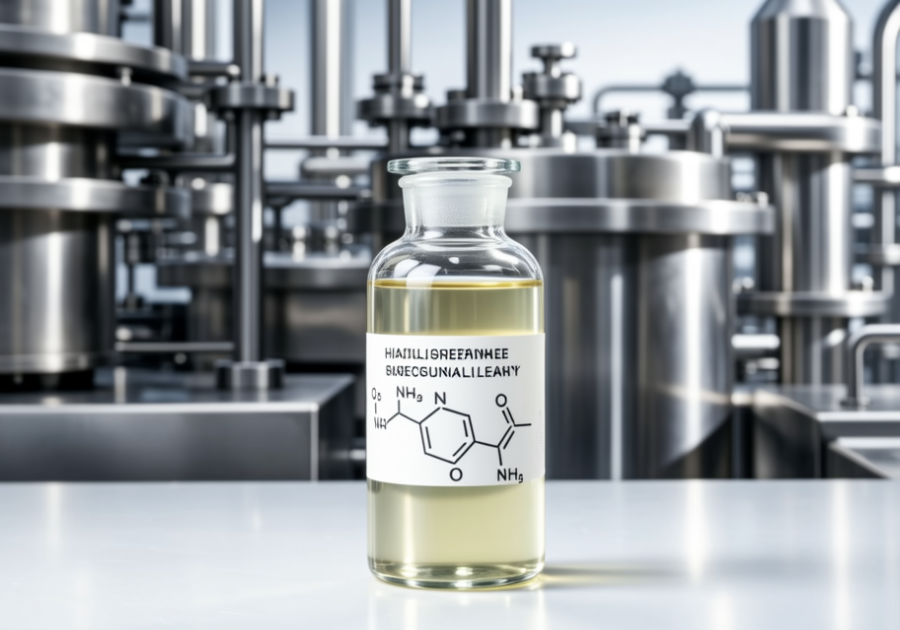
Potassium chromate (K₂CrO₄) is a bright yellow crystalline compound used in analytical chemistry, pigments, leather tanning, and metal processing. While effective, its chromium(VI) content makes it environmentally hazardous and toxic to humans. Understanding its composition and risks is critical for responsible use.
Percent Composition of Potassium Chromate
Potassium chromate contains two potassium (K) atoms, one chromium (Cr) atom, and four oxygen (O) atoms. Based on molecular weight calculation:
- Potassium (K): 40.2%
- Chromium (Cr): 26.8%
- Oxygen (O): 33.0%
This composition contributes to its oxidizing ability and chemical reactivity, especially due to the high-valence chromium ion.
How Potassium Chromate Is Produced
Industrial production involves the high-temperature reaction of chromite ore with potassium hydroxide and limestone in the presence of air:
- Chromite (FeCr₂O₄) reacts with KOH and limestone (CaCO₃).
- At high temperatures, chromium is oxidized, forming water-soluble chromate salts.
- The reaction product is extracted with water, filtered, and concentrated to crystallize potassium chromate.
Key Applications
- Analytical reagent: Used in titration to detect silver ions by forming brick-red silver chromate.
- Leather tanning: Chromium ions stabilize leather proteins, improving durability.
- Pigment manufacturing: Produces vivid yellow pigments for paints, coatings, and inks.
Its strong oxidizing power also allows its use in selective chemical reactions. However, safety precautions are required due to its toxicity.
Environmental and Health Hazards
Potassium chromate poses serious environmental risks. Chromium(VI) compounds are toxic, carcinogenic, and can bioaccumulate in ecosystems:
- Water pollution: Chromium ions disrupt aquatic life and reduce water self-purification capacity.
- Soil degradation: Alters microbial activity, reducing plant growth and agricultural productivity.
- Air contamination: Inhalable chromate dust affects respiratory health and deposits into soil and water.
Alternatives and Safer Replacements
To minimize environmental harm, several less toxic alternatives are being adopted:
- Hydrogen peroxide (H₂O₂): Replaces chromate in oxidation reactions; environmentally benign.
- Natural plant-based dyes: Used in textile and printing sectors to replace synthetic chromates.
- Molybdate and tungstate: Serve as corrosion inhibitors in metal treatment; safer and less toxic.
Conclusion
Potassium chromate’s distinct composition gives it valuable industrial uses, but its toxicity and environmental impact demand strict control. Until safer substitutes can fully match its function, users must comply with chemical safety regulations and adopt mitigation strategies to reduce exposure and emissions.
Looking for chemical products? Let suppliers reach out to you!
You May Interested In


Glow70/KLOW80 99% China Peptides Warehouse Direct Delivery Lyophilized Powder in Stock
$169/UNIT FOB


2026-10-24
Trade Alert
Delivering the latest product trends and industry news straight to your inbox.
(We'll never share your email address with a third-party.)

Related News
Recommend Reading
-
![Moving Average Crossover, June Isooctanol Prices in China Rise]()
Moving Average Crossover, June Isooctanol Prices in China Rise
-
![Business Society: China’s Bisphenol A Market Continues to Weaken in June]()
Business Society: China’s Bisphenol A Market Continues to Weaken in June
-
![Business Society October 9, 2026 PVC Trend Analysis: Under Pressure at High Levels]()
Business Society October 9, 2026 PVC Trend Analysis: Under Pressure at High Levels
-
![After Two Rounds of Price Cuts, the Coke Market Stabilizes in China]()
After Two Rounds of Price Cuts, the Coke Market Stabilizes in China
-
![Formic Acid Shows a Stepped Downward Trend in Early June]()
Formic Acid Shows a Stepped Downward Trend in Early June