Sodium Nitrate: Fertilizer, Food Curing, and Explosive History
Why has nitrate of sodium been so important in agriculture, food preservation, and even warfare? The answer lies in its unique chemical properties. Sodium nitrate is a powerful oxidizing salt that releases oxygen easily, making it useful in fertilizers, curing salts, propellants, and industrial chemistry.
Chemically represented as NaNO₃, sodium nitrate is a naturally occurring compound historically mined in large quantities from desert deposits in South America. It gained global importance during the 19th and early 20th centuries as a fertilizer and explosive component. Even today, its influence extends into food preservation and specialty industrial applications.
However, the compound also raises questions about safety and health. Consumers often ask whether sodium nitrate food additives are harmful, and how they differ from sodium nitrite. Understanding the science and history behind this compound provides useful context for both industry professionals and everyday readers.
Basic Properties and Industrial Role of Sodium Nitrate
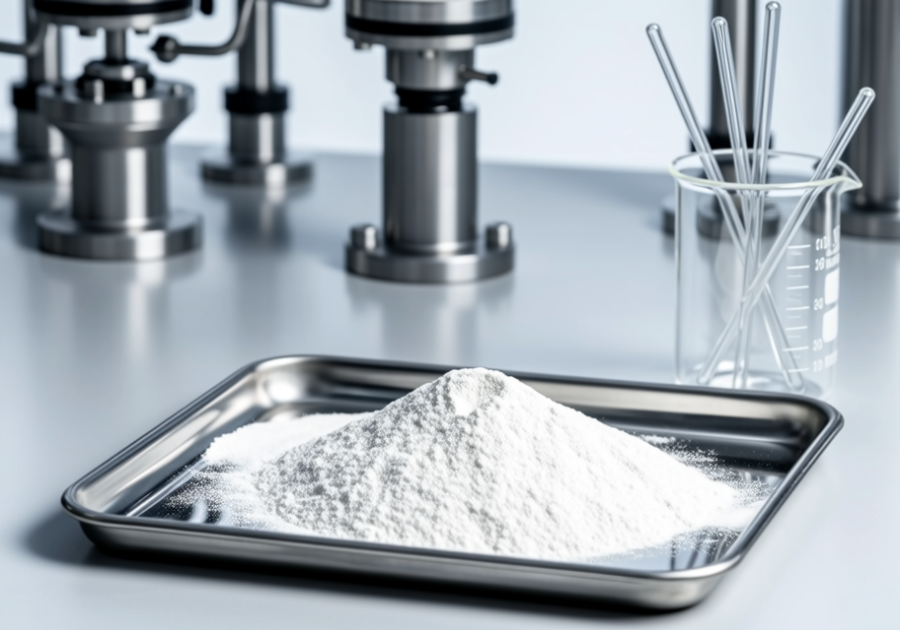
Sodium nitrate is a white crystalline salt that dissolves easily in water and exhibits strong oxidizing behavior. These characteristics make it useful for delivering nitrogen to plants and supporting combustion reactions in energetic mixtures.
| Property | Value | Importance |
|---|---|---|
| Chemical Formula | NaNO₃ | Source of nitrate ions for chemical reactions |
| Appearance | White crystalline solid | Stable for storage and transport |
| Solubility | Highly soluble in water | Effective for fertilizers and chemical processing |
| Chemical Type | Oxidizing salt | Supports combustion and oxidation reactions |
Because of these characteristics, nitrate of sodium has historically served multiple industries including agriculture, explosives manufacturing, glass production, and metallurgy.
Chile Saltpeter: Historical Importance
The global significance of sodium nitrate began with the discovery of massive mineral deposits in northern Chile. These natural deposits, commonly known as chile saltpeter, formed in extremely dry desert regions where nitrate salts accumulated over thousands of years.
During the 19th century, Chile saltpeter became one of the world's most valuable mineral resources. It was exported to Europe and North America for fertilizer production and for use in gunpowder. The economic importance of these deposits even contributed to geopolitical conflict in South America, including the War of the Pacific (1879–1884).
For decades, sodium nitrate was the primary industrial source of nitrogen before the development of synthetic nitrogen fixation processes such as the Haber–Bosch method. According to historical data cited by the U.S. Geological Survey, global trade in Chilean nitrates dominated fertilizer markets until the early twentieth century.
Although synthetic fertilizers have replaced most natural nitrate mining today, the term “Chile saltpeter” remains an important historical reference for nitrate of sodium.
Nitrate vs Nitrite in Industrial and Food Uses
One of the most common points of confusion involves the difference between sodium nitrate and sodium nitrite. Both compounds contain nitrogen and oxygen, but their chemical behavior and applications differ significantly.
| Compound | Formula | Typical Uses |
|---|---|---|
| Sodium Nitrate | NaNO₃ | Fertilizers, oxidizers, pyrotechnics |
| Sodium Nitrite | NaNO₂ | Meat curing, color preservation |
In many food processing systems, nitrate compounds may eventually convert into nitrite through microbial or enzymatic reactions. For example, some traditional cured meats rely on nitrate salts that slowly transform into nitrite during aging.
When discussing sodium nitrate vs sodium nitrite, the key difference is function. Nitrite is directly responsible for stabilizing the red color of cured meats and inhibiting certain bacteria, while nitrate often acts as a long-term reservoir that gradually converts into nitrite.
Sodium Nitrate in Food Preservation
Although less common today than nitrite, sodium nitrate food additives have historically been used in cured meats such as salami, dry sausages, and some traditional European products. In these foods, nitrate acts as a slow-release curing agent.
Food safety authorities such as the World Health Organization and the European Food Safety Authority regulate nitrate levels in processed foods. These regulations ensure that exposure remains within safe intake limits.
It is also important to recognize that nitrate compounds occur naturally in many vegetables. Leafy greens such as spinach, lettuce, and beets contain higher nitrate concentrations than most processed meats.
Because of this, nutrition researchers often emphasize that the overall dietary context matters more than the presence of nitrate alone.
Oxidizer Properties and Explosive Applications
One reason nitrate of sodium has historically been associated with explosives is its ability to release oxygen during chemical reactions. This oxidizing behavior supports rapid combustion in energetic mixtures.
In traditional gunpowder formulations, oxidizing salts provide the oxygen required for fuel components such as charcoal or sulfur to burn quickly. Although potassium nitrate became the dominant gunpowder oxidizer, sodium nitrate has also been used in certain propellant and blasting formulations.
Under specific conditions, mixtures containing nitrate salts and combustible materials may produce energetic reactions sometimes described as a sodium nitrate explosion. These reactions are not spontaneous but can occur when the compound is mixed with fuels and subjected to ignition or confinement.
Because of these properties, nitrate salts are classified as oxidizing agents and must be stored away from combustible substances. Industrial safety guidelines published by agencies such as the U.S. Department of Transportation emphasize proper storage and handling procedures.
Health Risks and Nitrosamine Concerns
Health discussions around nitrate compounds often focus on the potential formation of nitrosamines. These compounds can form when nitrites react with certain amines during high-temperature cooking or digestion.
Some nitrosamines have been identified as carcinogenic in laboratory studies. As a result, food regulations in many countries strictly limit the amount of nitrate and nitrite allowed in processed meats.
However, major health organizations including the National Institutes of Health note that vegetables remain the largest dietary source of nitrates, yet they are associated with positive health outcomes due to antioxidants and other nutrients.
Modern food processing techniques, combined with regulatory limits and antioxidants such as vitamin C, significantly reduce the risk of harmful nitrosamine formation.
Conclusion
From fertilizer production to food preservation and explosives manufacturing, nitrate of sodium has played a remarkable role in global industrial development. Its historical identity as chile saltpeter shaped agriculture and trade, while its oxidizing properties made it useful in propellants and chemical reactions.
At the same time, understanding the difference between sodium nitrate vs sodium nitrite helps clarify their distinct uses in food and industry. With proper regulation and handling, sodium nitrate remains a valuable compound across multiple sectors of modern technology.
Looking for chemical products? Let suppliers reach out to you!
You May Interested In


Glow70/KLOW80 99% China Peptides Warehouse Direct Delivery Lyophilized Powder in Stock
$169/UNIT FOB


2026-10-25
Trade Alert
Delivering the latest product trends and industry news straight to your inbox.
(We'll never share your email address with a third-party.)

Related News
-
Methylamine: Chemical Properties, Synthesis, and Industrial Applications
-
Melamine: Toxicity, Industrial Resin Uses, and Food Safety Scandals
-
Sulfuric Acid Reactions: With Sugar (Dehydration), Water, and Metals
-
What is Serine? (Amino Acid Function & Sources)
-
Applications and Safety of Sodium Dichromate
-
Uses and Benefits of Sodium Selenite
-
Reactions and Uses of Ammonium Dichromate
-
Applications of Aluminium Orthophosphate
-
Potassium Hydroxide (KOH): Soap Making, Batteries, and Safety
-
Sodium Hydroxide (Caustic Soda): Soap Making, Cleaning, and pH Control Guide
Recommend Reading
-
![Paraffin Wax vs. Beeswax: Candles, Cosmetics, and Industrial Applications]()
Paraffin Wax vs. Beeswax: Candles, Cosmetics, and Industrial Applications
-
![Lanolin: Benefits for Skin, Cosmetic Uses, and Allergy Risks]()
Lanolin: Benefits for Skin, Cosmetic Uses, and Allergy Risks
-
![What is Trametenolic Acid? (Structure, Sources & Research)]()
What is Trametenolic Acid? (Structure, Sources & Research)
-
![Sulfuric Acid (H2SO4): Properties, Battery Uses, and Extreme Safety Hazards]()
Sulfuric Acid (H2SO4): Properties, Battery Uses, and Extreme Safety Hazards
-
![SiO2: Properties, Uses, and Applications]()
SiO2: Properties, Uses, and Applications
-
![This week, the soda ash market in China showed a weak downward trend]()
This week, the soda ash market in China showed a weak downward trend
-
![Crude Oil Rises Sharply; Retail Prices of Finished Oil Products Raised Again This Round]()
Crude Oil Rises Sharply; Retail Prices of Finished Oil Products Raised Again This Round
-
![July Domestic Refinery Petcoke Prices First Rise Then Fall]()
July Domestic Refinery Petcoke Prices First Rise Then Fall
-
![This week, the 180CST fuel oil market in China remained largely stable]()
This week, the 180CST fuel oil market in China remained largely stable
-
![DMF Supply Tightens in Early April, Prices Remain Strong]()
DMF Supply Tightens in Early April, Prices Remain Strong