Methylamine: Chemical Properties, Synthesis, and Industrial Applications
Methylamine is a widely used industrial chemical with legitimate applications in agriculture and manufacturing—but due to its role as a drug precursor, it is strictly regulated across most countries.
From crop protection to pharmaceuticals, methylamine plays a quiet but essential role in modern industry. At the same time, its association with illicit drug production has made it one of the most closely monitored chemical intermediates. This article explains both sides—its chemistry and its regulatory context—so readers can understand its real-world significance.
Structure & Smell
Methylamine is the simplest primary amine, with the chemical composition commonly referred to as the methylamine formula: CH3NH2. Structurally, it consists of a methyl group attached to an amino group, giving it both organic and basic properties.
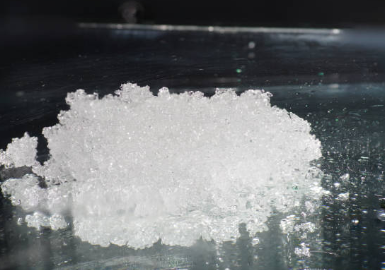
At room temperature, methylamine exists as a colorless gas or liquid (under pressure), and it is known for its strong, fishy odor. This smell is typical of low-molecular-weight amines and is often compared to ammonia, though slightly more pungent and organic in character.
Key physical and chemical properties include:
- Highly soluble in water
- Strong base compared to ammonia
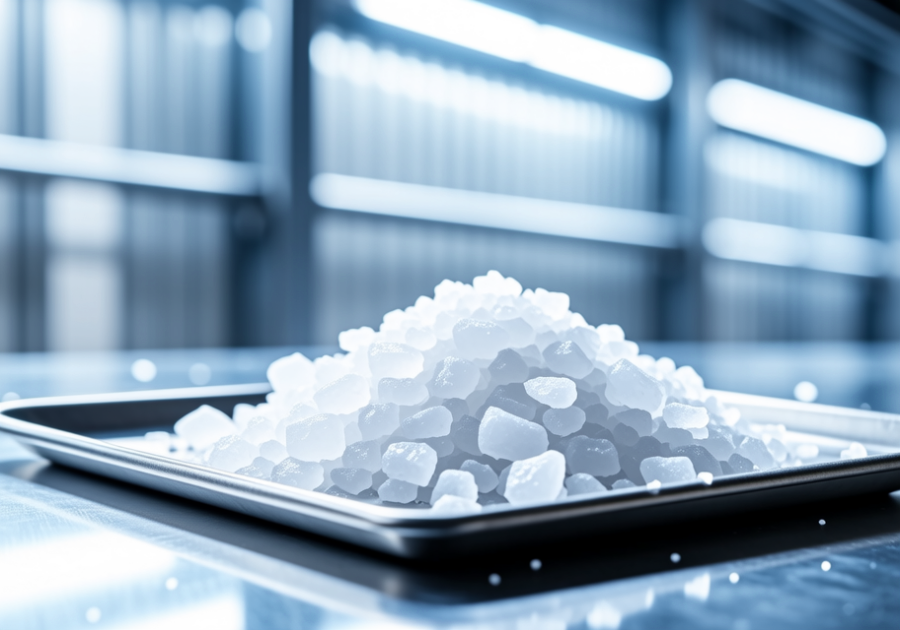
- Reactive with acids to form salts such as methylamine HCl
- Volatile and flammable under certain conditions
Because of its reactivity, methylamine is rarely stored or transported in its pure gaseous form. Instead, it is often handled as aqueous solutions or converted into more stable derivatives.
Drug Precursor
Methylamine is classified as a controlled precursor chemical in many jurisdictions due to its use in the synthesis of illicit substances, particularly methamphetamine.
This association has been widely popularized by television, especially through references like breaking bad methylamine. While dramatized, the core idea is accurate: methylamine can be used as a key building block in illegal drug production.
Because of this risk, agencies such as the United Nations Office on Drugs and Crime (UNODC) and the U.S. Drug Enforcement Administration (DEA) monitor its distribution closely. Companies handling methylamine must comply with strict reporting, storage, and transportation regulations.
It is important to emphasize that methylamine itself is not a drug. Its legitimate industrial importance far outweighs its misuse, but regulatory oversight ensures that diversion is minimized.
Agricultural Use
In agriculture, methylamine serves as a key intermediate in the production of pesticides, herbicides, and fungicides. It contributes to the synthesis of compounds that protect crops from pests and diseases, improving agricultural yield and food security.
Some applications include:
- Manufacturing insecticide intermediates
- Production of plant growth regulators
- Synthesis of fungicidal agents
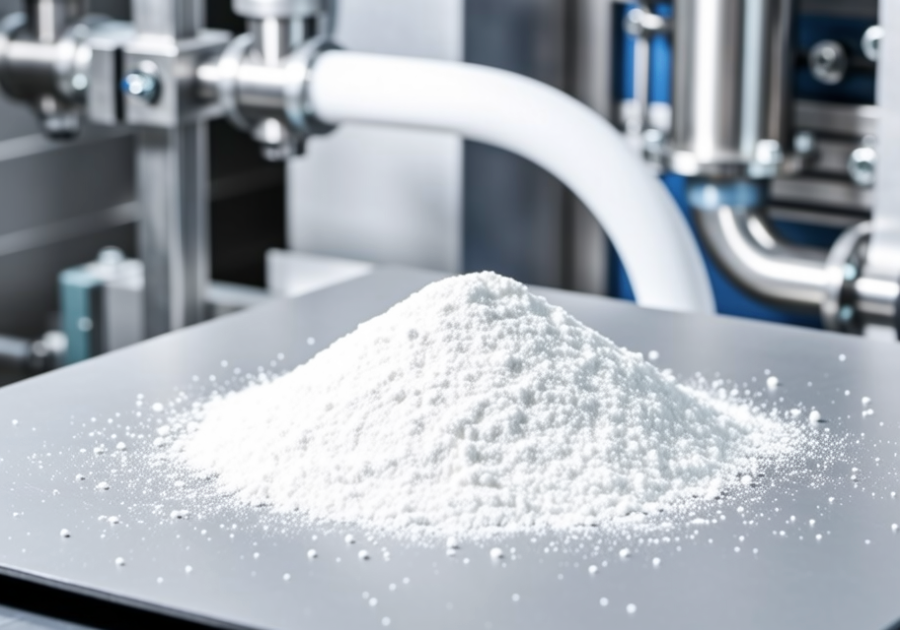
In these processes, methylamine synthesis is typically integrated into larger chemical production chains. Industrial methods often involve reacting methanol with ammonia over catalysts under controlled conditions to produce methylamine in various forms.
| Industry | Application | Role of Methylamine |
|---|---|---|
| Agriculture | Pesticides | Intermediate for active ingredients |
| Pharmaceuticals | Drug synthesis | Building block for APIs |
| Chemicals | Solvents & additives | Reactant in specialty chemicals |
These uses highlight the compound’s importance beyond its controversial reputation. In controlled environments, methylamine is a valuable and efficient chemical tool.
Legal Status
Due to its potential misuse, methylamine is listed as a regulated chemical in many countries. It is often categorized as a “List I” or equivalent precursor substance, meaning that its manufacture, sale, and distribution are subject to strict controls.
Key regulatory measures include:
- Licensing requirements for manufacturers and distributors
- Mandatory reporting of large transactions
- Secure storage and transport protocols
- End-user verification procedures
In regions such as the United States, the European Union, and parts of Asia, authorities maintain databases to track the movement of such chemicals. This reduces the risk of diversion into illegal channels while allowing legitimate industries to operate.
The classification of methylamine as a controlled precursor reflects a broader trend in chemical governance: balancing industrial utility with public safety. Organizations like the OECD and UNODC continue to update guidelines as new risks emerge.
Why Understanding Methylamine Matters
Methylamine sits at the intersection of chemistry, industry, and regulation. For professionals in manufacturing or agriculture, it represents a practical and versatile reagent. For regulators, it is a substance requiring vigilance.
For the general public, awareness helps separate fact from fiction. While media portrayals may emphasize its role in illegal drug production, the reality is more nuanced. Most methylamine is produced, transported, and used responsibly within regulated frameworks.
Ultimately, understanding both the benefits and risks of methylamine supports informed decision-making—whether in industry, policy, or education.
FAQ
1. What is the chemical formula of methylamine?
The methylamine formula is CH₃NH₂, consisting of a methyl group attached to an amino group.
2. How is methylamine produced?
It is typically produced by reacting methanol with ammonia over a catalyst in industrial settings.
3. Why is methylamine regulated?
It can be used as a precursor in illegal drug production, so governments monitor its distribution.
4. What is methylamine HCl?
It is a salt formed when methylamine reacts with hydrochloric acid, often used for safer handling.
5. Is methylamine dangerous?
It can be hazardous if improperly handled, as it is flammable and irritating, but safe under controlled industrial use.
Looking for chemical products? Let suppliers reach out to you!
You May Interested In


Glow70/KLOW80 99% China Peptides Warehouse Direct Delivery Lyophilized Powder in Stock
$169/UNIT FOB


2026-10-25
Trade Alert
Delivering the latest product trends and industry news straight to your inbox.
(We'll never share your email address with a third-party.)

Related News
-
EDTA (Ethylenediaminetetraacetic acid): Chelation Therapy & Industrial Uses
-
Polystyrene (PS): Properties, Foam Applications, and Recycling Challenges
-
Magnesium Stearate in Supplements: Is it Safe? (Vegan Status & Function)
-
Understanding Titanium Oxide: Properties and Uses
-
Glycopyrronium: Pharmaceutical Applications, Mechanism, and Chemical Specs
-
Methanol Methyl Alcohol vs Ethanol: Toxicity, Fuel Uses, and Industrial Solvent Safety
-
What is Sodium Hipoklorit? (Definition, Uses & Safety)
-
Sodium Nitrate: Fertilizer, Food Preservative, and Chemical Properties
-
Silver Nitrate: Medical Uses, Photography History, and Staining Properties
-
Phosphoric Acid: Uses in Cola, Rust Removal, and Fertilizers Explained
Recommend Reading
-
![Chemical Properties and Applications of Cyclopropen]()
Chemical Properties and Applications of Cyclopropen
-
![Key Reactions of Cobalt Chloride]()
Key Reactions of Cobalt Chloride
-
![Calcium Sulfate: Properties, Uses, and Applications]()
Calcium Sulfate: Properties, Uses, and Applications
-
![Key Reactions and Uses of Lithium Aluminum Hydride]()
Key Reactions and Uses of Lithium Aluminum Hydride
-
![Uses and Properties of 3-Methyl-1-Butanol]()
Uses and Properties of 3-Methyl-1-Butanol
-
![This Week, China's Titanium Dioxide Market Trended Downward (11.3-11.7)]()
This Week, China's Titanium Dioxide Market Trended Downward (11.3-11.7)
-
![This Week's Pure Benzene Market Prices Rose in China (7.13-7.17)]()
This Week's Pure Benzene Market Prices Rose in China (7.13-7.17)
-
![Production Slows Sharply, But Isooctanol Prices Surge This Week]()
Production Slows Sharply, But Isooctanol Prices Surge This Week
-
![This Week's Caustic Soda Price Consolidation Trend (7.13-7.17) in China]()
This Week's Caustic Soda Price Consolidation Trend (7.13-7.17) in China
-
![Methanol market conditions continue to be weak in China]()
Methanol market conditions continue to be weak in China