




Thymol Gel Wins EPA Approval for Beekeepers
Eden Research’s latest U.S. regulatory win matters because it targets one of the most persistent biological threats facing commercial and hobby beekeeping alike. The company said its partner Véto-pharma has secured U.S. EPA registration for Thymoflex, a thymol-based treatment for Varroa destructor, the parasitic mite that continues to undermine colony health across global apiculture. The product is described as a ready-to-use thymol gel designed for controlled release inside the hive, offering beekeepers a more practical natural-origin option for integrated mite management.
That is commercially meaningful because beekeepers are under pressure from two directions at once. Mite pressure remains intense, while resistance concerns make overreliance on single-mode treatments increasingly risky. Eden’s positioning reflects that reality. Thymoflex is being framed not simply as another mite product, but as a rotation-friendly option that can reduce dependence on a narrow chemistry toolkit. The company also emphasizes ease of use, consistency, and colony safety when used according to label instructions, all of which matter in a segment where product handling and timing can directly affect adoption.
The broader significance is that biological and naturally derived solutions are slowly becoming more credible in specialty pest management areas where synthetic options face resistance or stewardship limits. Varroa control is exactly the kind of high-pressure category where a practical natural product can find real market traction. If Thymoflex proves reliable in field use across different beekeeping systems and climates, it may help push the bee-health market toward a more diversified treatment model. In bee protection, that is not a branding advantage. It is a resilience advantage.
Looking for chemical products? Let suppliers reach out to you!
You May Interested In


Glow70/KLOW80 99% China Peptides Warehouse Direct Delivery Lyophilized Powder in Stock
$1.8E+2/UNIT FOB


2026-08-18
Trade Alert
Delivering the latest product trends and industry news straight to your inbox.
(We'll never share your email address with a third-party.)

Related News
-
Isobutyl: Properties, Uses, and Industrial Applications
-
A New Weapon Against Spider Mites: Canada Moves to Approve Novel Miticide for Greenhouse Growers
-
Iohexol: Properties, Uses, and Safety
-
Heptane: Properties, Uses, and Industrial Applications
-
HNO2 (Nitrous Acid): Properties, Uses, and Safety
-
Permanganate: Properties, Uses, and Safety
-
Sodium Hypochlorite: Uses, Concentration Guide, and Critical Safety Hazards
-
Isopropyl Alcohol (IPA) vs Ethanol: Which Solvent or Disinfectant is Better?
-
Polyvinyl Acetate Uses: Adhesives, Industrial Applications & Safety
-
Potassium Bicarbonate Uses: Baking, Industrial Applications & Tips
Recommend Reading
-

Sodium Thiosulfate Uses: Reactions, Industrial Applications & Safety
-
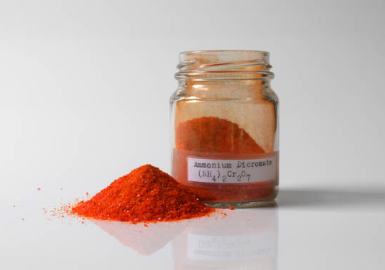
Reactions and Uses of Ammonium Dichromate
-
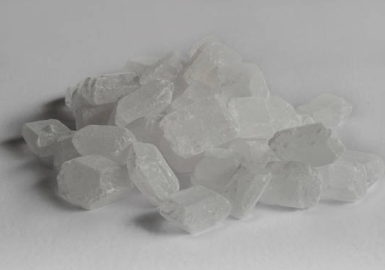
Applications of Aluminium Orthophosphate
-

Pyrethrins Uses: Safe Insecticide Applications & Tips
-

Arachidic Acid Uses: Food, Industrial Applications & Safety
-

February Adipic Acid Market Fluctuates and Rises in China
-

Sodium Metabisulfite Prices Decline This Week in China (9.8-9.12)
-

February phosphate market trend shows strong increase in China
-

BDO Market Trends Remain Stagnant and Consolidating
-

February Acetic Acid Market Fluctuates