Potassium Bicarbonate Uses: Baking, Industrial Applications & Tips
Potassium bicarbonate is a mild, low-toxicity powder that works as a sodium-free leavening agent in baking, a gentle pH buffer in manufacturing, and a useful material in several commercial applications. Below you’ll find concise, practical guidance on potassium bicarbonate uses and preparation, plus hands-on tips for safe storage and substitution.
Properties
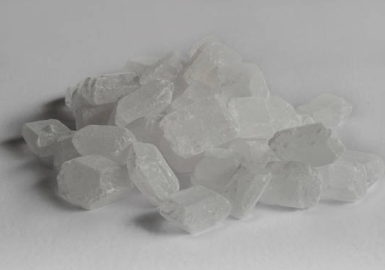
Potassium bicarbonate (KHCO₃) is a white, water-soluble salt that produces carbon dioxide when mixed with acid or heated. Its action mirrors sodium bicarbonate’s leavening effect but supplies potassium instead of sodium. It’s non-flammable and has comparatively low toxicity, which explains its presence in food-grade, agricultural and safety products.
Food and baking uses
Home cooks and commercial bakers use potassium bicarbonate when they want to reduce sodium without losing the lift that baking soda provides. It reacts with acidic ingredients — yogurt, lemon juice, buttermilk, or cream of tartar — to release CO₂ and aerate batters and doughs. Expect small differences in browning or spread; the texture and color may need minor adjustments.
Practical substitution tip: If a recipe calls for 1 teaspoon baking soda, try ¾ teaspoon potassium bicarbonate plus ¼ teaspoon baking powder in a test batch. That approach helps preserve rise while cutting sodium.
Comparison of leavening agents
| Agent | When to use | Notes |
|---|---|---|
| Sodium bicarbonate | Everyday baking | Common and inexpensive; adds sodium |
| Potassium bicarbonate | Low-sodium recipes; acidity control | Good for sodium reduction; may require tweaks |
| Baking powder | Recipes without extra acid | Contains acid already; convenient |
Industrial and commercial applications
Outside the kitchen, potassium bicarbonate finds several practical uses. Organic and integrated farmers use it as a contact fungicide for powdery mildew and similar foliar diseases — it acts quickly and leaves no persistent toxic residues. Fire-suppression systems sometimes use potassium bicarbonate-based powders for flammable-liquid fires because the salt helps interrupt combustion. In manufacturing and water treatment the compound serves as a mild pH buffer and neutralizer in processes that require gentle alkalinity control.
Potassium bicarbonate uses and preparation
Commercially, KHCO₃ is produced by passing carbon dioxide through a concentrated potassium carbonate solution; crystals form, are filtered, washed and dried to meet food or technical grades. Reputable suppliers provide a certificate of analysis (COA) that lists purity, contaminants and shelf-life. Home preparation is neither common nor recommended — the industrial route requires controlled CO₂ handling and purification to meet safety and food-grade standards.
Safety and handling
Food-grade potassium bicarbonate is safe in typical culinary amounts. For bulk handling, avoid breathing dust and wear appropriate PPE: a dust mask or respirator, eye protection and gloves. Store in airtight, dry containers; humidity reduces effectiveness. For workplace guidance consult the supplier’s Safety Data Sheet (SDS) and follow regulations from agencies such as OSHA and food authorities when relevant. Dispose of large amounts according to local waste rules.
Practical notes from experience
- Purchase food-grade material for any edible use and request a COA from the supplier.
- Test recipe changes in small batches before committing to a full-scale change.
- For garden sprays, apply in the evening and avoid very hot, sunny conditions to reduce scorch risk.
- Use desiccants or sealed containers in humid climates to extend shelf life.
Conclusion
Potassium bicarbonate is a quietly versatile ingredient. It offers a workable path to lower sodium in recipes, a gentle buffer for manufacturing needs, and a practical tool in agriculture and fire safety. With basic sourcing checks and common-sense handling, it’s easy to use effectively.
Frequently asked questions
- Is potassium bicarbonate safe to eat? Yes — food-grade material is used in baking and acidity control when used correctly.
- Can I produce it at home? No — the industrial process uses controlled CO₂ reaction and purification; it isn’t practical for home production.
- How should I store it? Keep it dry, sealed, clearly labelled and away from strong acids or oxidizers.
Looking for chemical products? Let suppliers reach out to you!
You May Interested In


Glow70/KLOW80 99% China Peptides Warehouse Direct Delivery Lyophilized Powder in Stock
$169/UNIT FOB


2026-10-23
Trade Alert
Delivering the latest product trends and industry news straight to your inbox.
(We'll never share your email address with a third-party.)

Related News
-
Methylamine: Chemical Properties, Synthesis, and Industrial Applications
-
Melamine: Toxicity, Industrial Resin Uses, and Food Safety Scandals
-
Sulfuric Acid Reactions: With Sugar (Dehydration), Water, and Metals
-
What is Serine? (Amino Acid Function & Sources)
-
Barium Sulfide: Properties, Uses, and Safety
-
India Unleashes a Triple-Action Defender: Parijat Introduces NILANIX SC into the Rice Battlefront
-
France’s Vineyards Find a New Shield: Eden’s Mevalone Enters the Frontline of a Changing Fungicide Era
-
Sodium Chloride (NaCl): Food Grade vs Industrial Grade Uses & Safety Data
-
Chemical Raw Materials: How to Source Quality Suppliers & Understand Grades
-
Sodium Pentothal: Medical Applications and Safety
Recommend Reading
-
![Ascorbyl Palmitate: Properties, Uses, and Benefits]()
Ascorbyl Palmitate: Properties, Uses, and Benefits
-
![Bivalirudin: Medical Uses, Properties, and Safety]()
Bivalirudin: Medical Uses, Properties, and Safety
-
![Calcium Hypochlorite: Properties, Uses, and Safety]()
Calcium Hypochlorite: Properties, Uses, and Safety
-
![Applications of Aluminium Orthophosphate]()
Applications of Aluminium Orthophosphate
-
![Reactions and Uses of Ammonium Dichromate]()
Reactions and Uses of Ammonium Dichromate
-
![2025 Epoxy Chloropropane Market Review and 2026 Outlook in China]()
2025 Epoxy Chloropropane Market Review and 2026 Outlook in China
-
![Business Society’s Market Outlook for Epoxy Resins on August 18, 2026: Fluctuating Trend]()
Business Society’s Market Outlook for Epoxy Resins on August 18, 2026: Fluctuating Trend
-
![DMF Market Primarily Operates Strongly]()
DMF Market Primarily Operates Strongly
-
![Caustic Soda Prices Continue to Decline in January]()
Caustic Soda Prices Continue to Decline in January
-
![Business Society’s Market Outlook for Acrylic Acid on August 18, 2026: Weak Rebound]()
Business Society’s Market Outlook for Acrylic Acid on August 18, 2026: Weak Rebound