




Sweden Wants Review of Preservatives Approved for Cosmetic Products
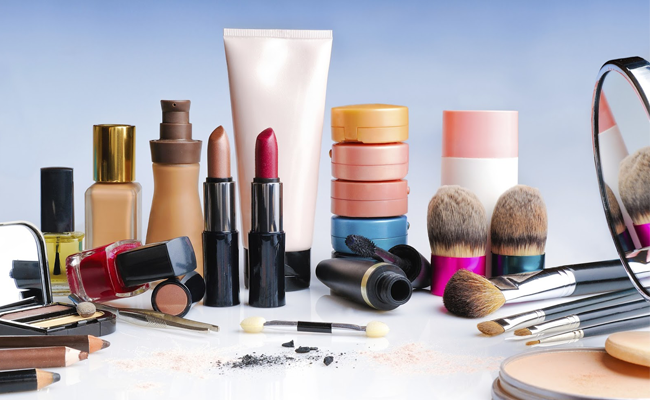
The EU cosmetics Regulation's list of approved preservatives needs to be reviewed to tackle several substances that have problematic environmental or health properties, the Swedish Chemicals Agency (Kemi) has said.
Kemi studied the use of 19 different preservatives in cosmetics, to assess whether they should be subject to national safety measures. It concluded that introducing national restrictions would not be proportionate but calls for action at EU level.
The agency has prioritised seven preservatives for a review of their evaluation under the cosmetics Regulation:
> chlorobutanol;
> p-chloro-m-cresol;
> chloroxylenol;
> bromochlorophene;
> chlorophene;
> chlorhexidine; and
> dichlorobenzyl alcohol.
It says new scientific data has emerged since these chemicals were assessed. Although their use is relatively low, the agency says it is important to ensure it does not increase.
Kemi also warns that some chlorinated preservatives are persistent, bioaccumulative and highly toxic to aquatic organisms, or suspected of being endocrine disruptors. Substances like Triclosan, triclocarban and climbazole can become problematic if they pass through sewage treatment plants and enter the environment.
The agency "will take action to ensure that [these] are dealt with through the REACH Regulation".
It also asks for use of triclosan, chlorhexidine, MERCURY and silver compounds to be reduced because their frequent use risks the development of antibiotic resistance.
And the agency found seven substances with a "high potential to cause allergies" in its project. Out of these, the mixture MCI/MI is frequently used and exposure should be reduced, Kemi says.
However, the agency acknowledges that the cosmetics industry is facing a big challenge in preserving its products: "The need for and benefit of conservation need to be balanced against the risks of these substances."
It notes a lack of incentives for developing new preservatives, an issue often raised by the industry.
New preservatives are scarce because there are no adequate in vitro methods to test for some endpoints, since animal experiments were banned under the cosmetics Regulation. And the process of updating the Regulation's annex on approved preservatives is extensive and time consuming, Kemi says.
The agency warns that the industry trend, in which multifunctional additives that have a Preservative action are used instead of the permitted preservatives, carries a risk of increasing the use of substances that are not as well studied and may lead to other risks or increased risk to the user.
Hence, Kemi says it is vital that the annex is adapted more rapidly to new findings and kept up to date.

Food Additives Market Analysis to 2022
You May Interested In



2026-07-29
Trade Alert
Delivering the latest product trends and industry news straight to your inbox.
(We'll never share your email address with a third-party.)

Related News
-
First New UV Filter in Nearly 27 Years: BASF's Tinosorb® S Approved by FDA, Marking a Historic Shift for the U.S. Sunscreen Market
-
Philippine Department of Trade and Industry: Will focus more on developing the Philippine beauty industry
-
Can Ultra-Processed Foods Be Made Healthier Without Compromising Taste and Convenience?
-
Can KinderFarms' Non-Toxic Claims Hold Up? The Hidden Dangers of Greenwashing
-
Canada Seeks Input on Greenlighting Mushroom-Derived Chitosan as Food Preservative
-
COSMOPROF Worldwide Bologna 2024
-
Get to Know the Developments About Natural Preservatives
-
Sensitive Skin Naturally Boundless Blue Chamomile Treatment Oil
-
Food Vision Banana Preservative Patent Approved
-
In-cosmetic Korea 2021 is coming with its K-beauty inspiration
Recommend Reading
-

Hormuz Closure Raises Cold-Chain Risk
-
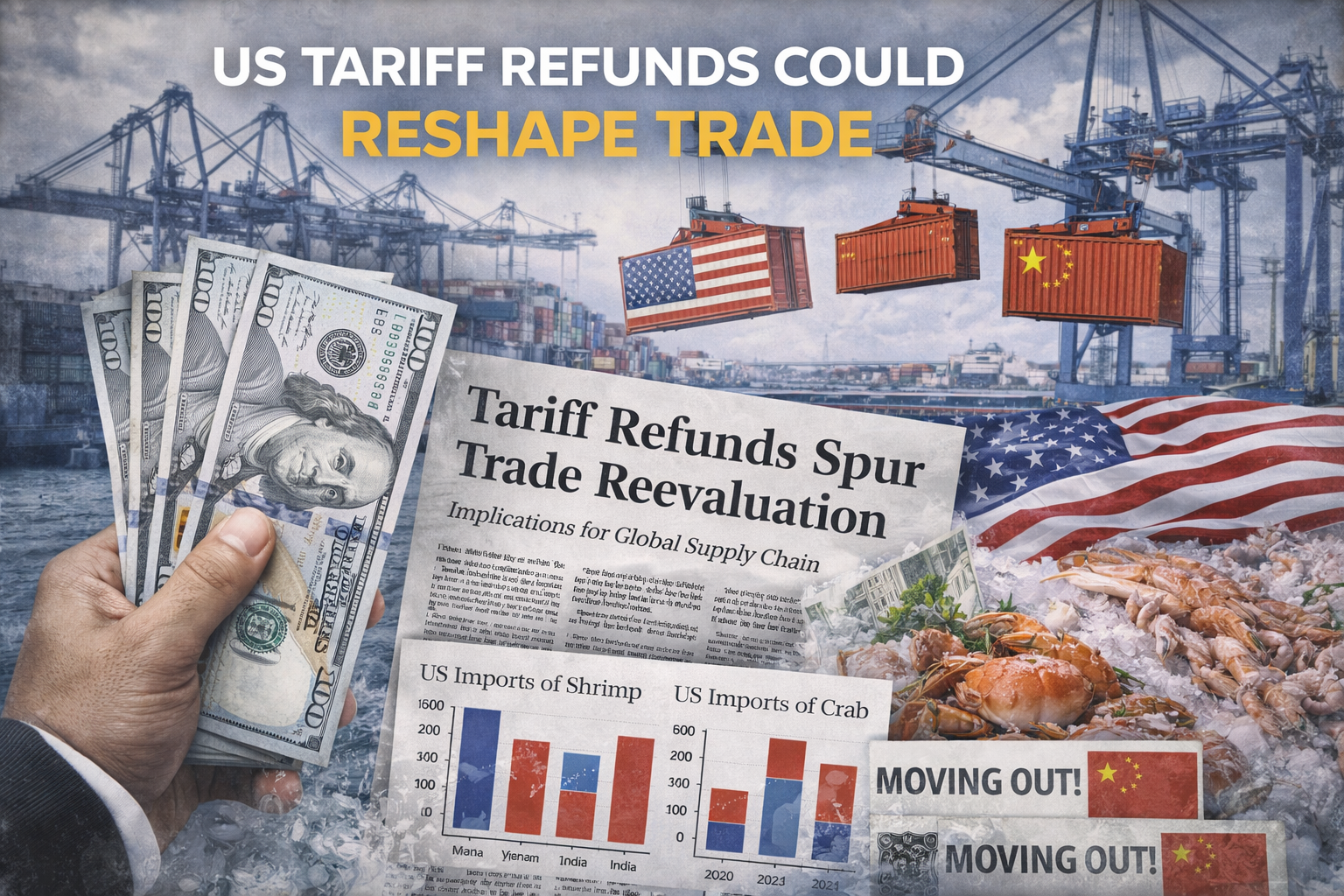
US Tariff Refunds Could Reshape Seafood Trade
-
Middle East Conflict Hits China Seafood Trade
-
Hormuz Closure Raises Cold-Chain Risk
-

Deméter Enters China with a Stress-Focused Pitch
-

The domestic butadiene rubber market shows a slight weakening
-
Strong Supply and Weak Demand Continues, PP Fluctuates and Falls in November
-

In November, China's propylene oxide market first rose then fell
-

Styrene-butadiene rubber market conditions remain weak
-
November epoxy chloropropane market first fell then stabilized