What is Fluorite Used for in the Industries
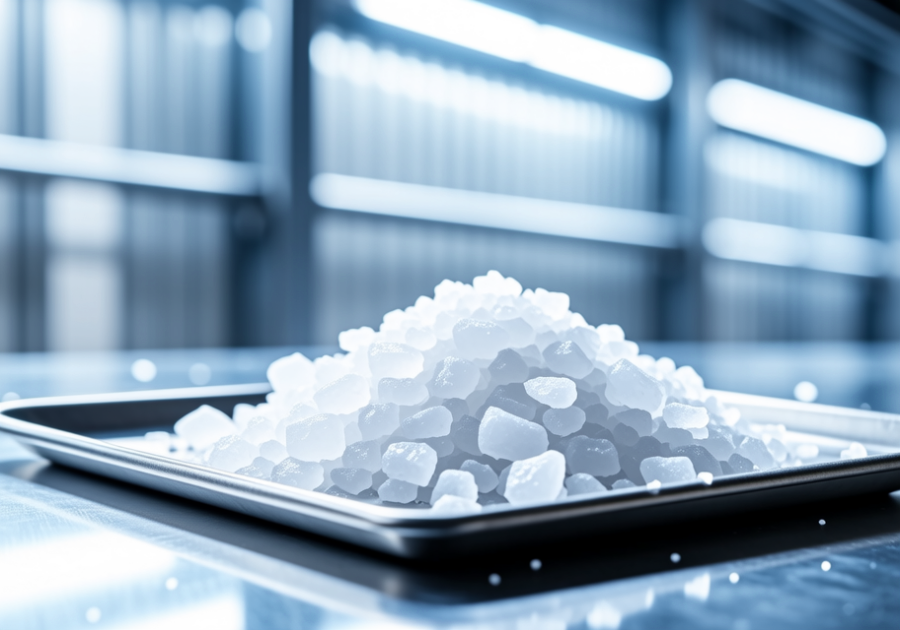
What is fluorite used for? Fluorite is used for many different purposes. The most popular ones are decorative and ornamental, but an increasing number of people are also using fluorite to get the health benefits of this stone.
What is Fluorite Used For?
Fluorite (also known as fluorspar) has a variety of uses because it possesses several unique properties. These make it especially well-suited for several different applications in industries and making home appliances.
Fluorite has a highly vitreous luster and can be transparent to opaque. The color ranges from clear translucent to yellow, green, blue, purple, pink, or white. It has a Mohs hardness of 4 to 6 and a specific gravity of 3.2 to 4.1.
Fluorite is a halide mineral, but not all fluorites have the exact composition of ions because it occurs in many different geological environments. As a result, there are many different kinds of fluorite with unique chemical properties. This means that fluorite is found in a large number of applications.
Different varieties of fluorite are used in different ways, but most applications can be categorized into four main areas. These uses include ornamental and decorative purposes, analytical instruments, electronic components, and health supplements.
Ornamental and Decorative Elements
Fluorite is mainly known for its unique color combinations and patterns. This makes it useful for ornamental and decorative purposes such as gemstones, carvings, and other objects created to add some visual appeal to a room.
Fluorite was used in jewelry before the 19th century because of its color combinations, giving it a unique appearance that artisans valued. It isn't a costly stone, but the patterns and color combinations mean that sizable fluorite can cost more than a much larger piece of other stones.
The ornamental usage of fluorite is increasing in popularity because people have started to discover the health benefits of this stone.
Analyzing in Laboratories
Fluorite was first used as a glue and as an insecticide before it was discovered to be used as a mineral analyzer. The process of using a mineral analyzer is called qualitative analysis. It is primarily used in analytical laboratories to identify the components of a sample by using different kinds of testing equipment depending on what needs to be analyzed.
Can be Used in Health Sector
Fluorite use in health care is also becoming increasingly popular because it can help purify water, provide relief to people who suffer from pain associated with arthritis and improve bone strength. It has important properties that make it very useful in health care and could be used to prevent different kinds of diseases in the future.
Make Lens for Microscopes and Telescopes
Fluorite is used to make lenses for microscopes and telescopes because of its special optical properties. Fluorite can help reduce the weight and size of a lens without losing any important components that help it focus light. The reflective bands inside this mineral allow light from an object to be focused at several different points, increasing the clarity of the image.
Making Cooking Utensils, Pots and Vases
Fluorite is also used to make cooking utensils, pots and vases because of its resistance to high temperatures. This stone doesn't melt or break down when exposed to hot temperatures which makes it a good material for cooking equipment that will be exposed to direct heat from a stove or open flame. The lead in lead glass can cause poisoning, which makes fluorite a safer choice than most other stones that are commonly used for this purpose.
Non-Destructive Analysis of Diamonds
Fluorite is often used to analyze diamonds because it has special fluorescent properties. When exposed to ultraviolet light, the fluorescence in fluorite causes some parts of a diamond to glow a certain color. This allows geologists and scientists to easily see where imperfections are located in a diamond so they can be cut out before the stone is sold.
Conclusion
What is fluorite used for? Fluorite has been used for ornamental purposes since the 19th century because its color combinations and various patterns make it a unique stone with an attractive appearance. However, studies show that it also has many applications in other industries, such as mineralogy, where fluorite is analyzed to help engineers choose the best materials.
Looking for chemical products? Let suppliers reach out to you!
You May Interested In


2026-09-26
Trade Alert
Delivering the latest product trends and industry news straight to your inbox.
(We'll never share your email address with a third-party.)

Related News
-
In November, the market price of anhydrous hydrogen fluoride in China showed a downward trend
-
What is cleavage and Does fluorite have cleavage
-
How is fluorite mined and processed upto its uses
-
What are the important uses of important uses of fluorite?
-
An Outlook Into What Mineral Fluorite Used For
-
Analysis on Import and Export of Fluorine Chemical Raw Materials
-
Fluorite's Future Potential Material, The Supply Has Declined, And The Price Continues to Be High
-
What Color Should a Zinc-Copper Couple Be?
-
Zoledronic Acid: Uses, Mechanism, and Side Effects
-
Anastrozole Side Effects: What You Need to Know
Recommend Reading
-
![Why You Should Never Mix Bleach and Vinegar]()
Why You Should Never Mix Bleach and Vinegar
-
![Benzoylecgonine: Detection and Testing Methods]()
Benzoylecgonine: Detection and Testing Methods
-
![Acesulfame Potassium: Safety, Side Effects, and Food Uses]()
Acesulfame Potassium: Safety, Side Effects, and Food Uses
-
![Understanding the Arsenate Symbol and Its Uses]()
Understanding the Arsenate Symbol and Its Uses
-
Polysorbate 80: Food Additive, Medical Use, and Safety
-
![Business Society’s Phenol Trend Analysis for September 15, 2026: Slight Decline]()
Business Society’s Phenol Trend Analysis for September 15, 2026: Slight Decline
-
![April China MIBK Market Maintains High Stability]()
April China MIBK Market Maintains High Stability
-
![Business Society’s September 11, 2026 Caustic Soda Trend Analysis: Narrow-Range Fluctuations]()
Business Society’s September 11, 2026 Caustic Soda Trend Analysis: Narrow-Range Fluctuations
-
![Business Society’s Trend Analysis for Heavy-Weight Pure Soda Ash on September 15, 2026: Volatile]()
Business Society’s Trend Analysis for Heavy-Weight Pure Soda Ash on September 15, 2026: Volatile
-
![Petroleum Coke Market for Local Refineries Drops Sharply in Late April]()
Petroleum Coke Market for Local Refineries Drops Sharply in Late April