What is Raw Material For Caustic Soda
To talk about raw material for caustic soda, it is important to know what we are talking about when naming the compound caustic soda, what are its main characteristics, how it is formed, and its main uses.
What is Caustic Soda?
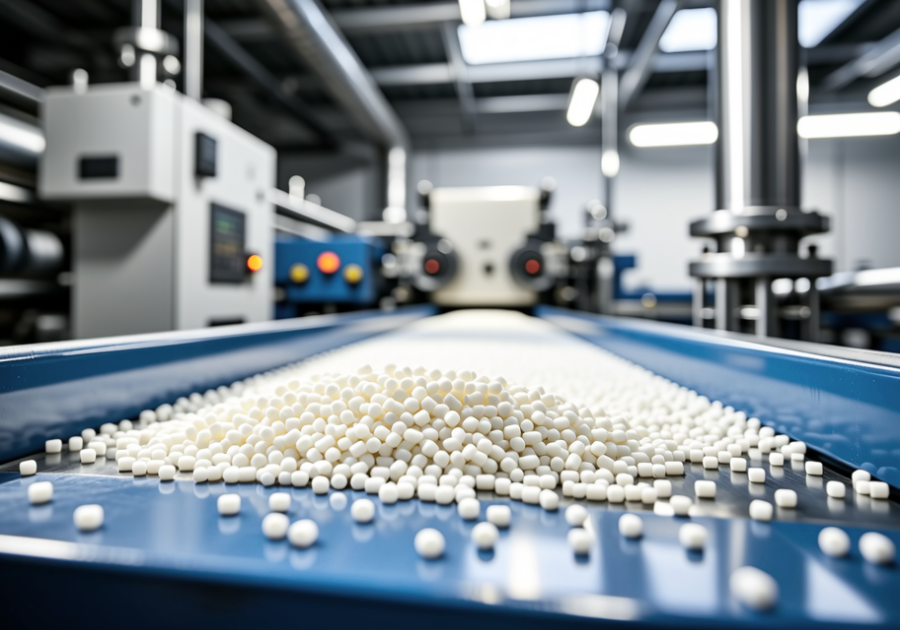
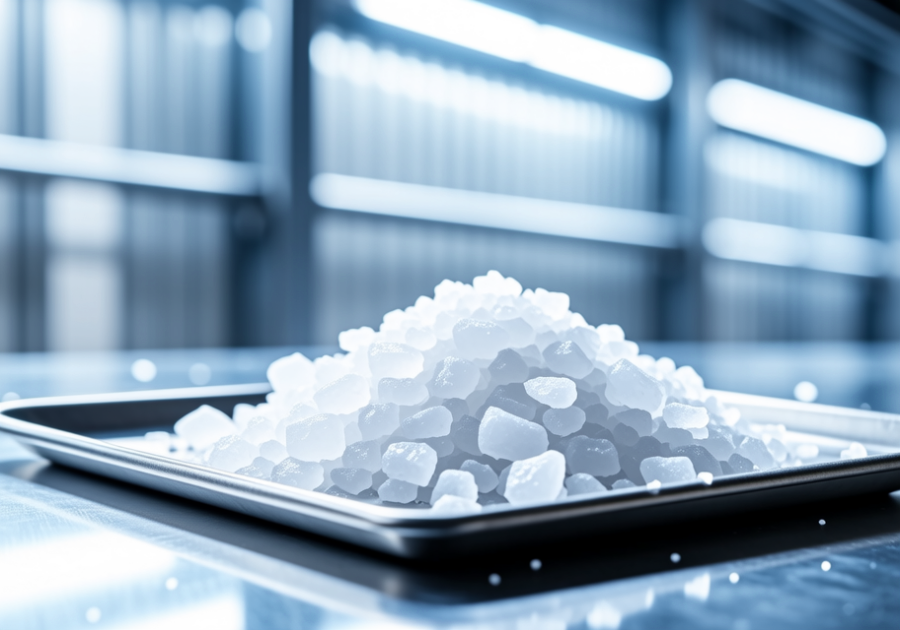
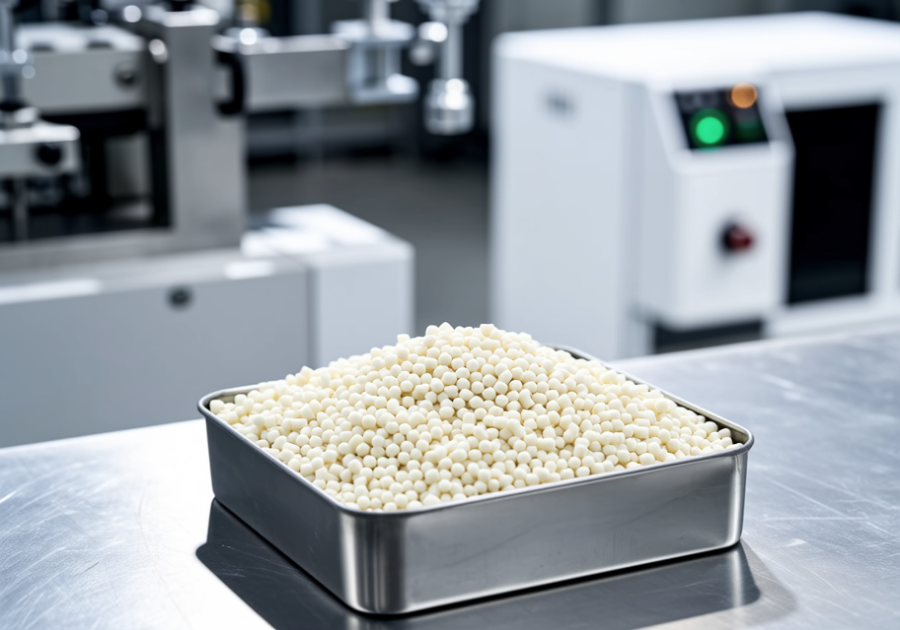
It is a chemical substance that has very high levels of alkalinity, which is presented in various forms, such as solid, liquid, also in the form of flakes, and as a crystalline chemical compound, found at room temperatures, and is very corrosive.
Characteristics of caustic soda
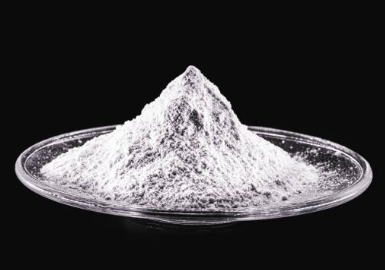
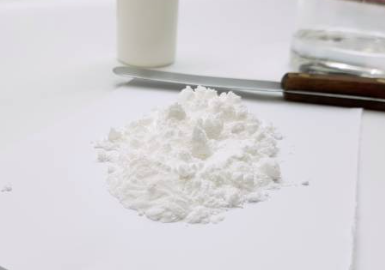
It is a white chemical compound, which has no odor, and has the peculiarity of being an absorber of moisture that is present in the air, its chemical formula is NaOH, which means that each molecule of caustic soda is composed of 1 atom of sodium Na, 1 atom of oxygen O, and one atom of hydrogen H.
Caustic soda has a boiling point of 1390 degrees Celsius, with a melting point of 318 degrees Celsius, and a density of 2.13 grams per milliliter, when at temperatures of 25 degrees Celsius.
It is a substance that presents very good solubility in water, with high reactivity against several metals, such as Aluminum, Tin, and Zinc.
What is the raw material for caustic soda?
In the origins of caustic soda the obtaining of this substance was done through the calcination of some plants, such as beech wood, some herbs with high potential in sodium salts, being characteristic those that grow in soils that are frequented by cattle, and have substrates with constant removal, another way to obtain it was through processes of filtration of water that was stored in barrels, which were filled with ashes of plants grown in soils rich in nitrates.
Some time later the raw material for caustic soda began to have problems with wood ash, due to the high demand of these in other industries such as paper, textile, glass, porcelain and others, obtaining the ashes involved very high costs, so King Louis XVI implemented a kind of contest where he would reward who would invent more effective procedures for obtaining the caustic soda, which led to explore other ways of obtaining as through materials such as common salt, made a scientist by the name of Nicholas Leblanc conducted research through the financing of the Duke of Orleans, setting up a laboratory, where he achieved the production of soda crystals through carbon sulfates and limestone, using a process that consisted of three phases.
The raw material for caustic soda was achieved by reacting common salt with sulfuric acid at a high temperature of 800 degrees Celsius, obtaining hydrochloric acid and sodium sulfate, this sulfate was crushed in limestone and charcoal, heating this mixture, and producing an ash with considerable amounts of soda, which was subjected to a crystallization process.
As a result of these procedures, raw material for caustic soda was obtained, being sea salt and sulfuric acid the fundamental raw materials, other more novel procedures for obtaining this raw material is the so-called Solvay method, which improves production with respect to the method of the scientist Leblanc, not to produce waste that pollute as sulfhydric gas, the Solvay method uses as raw material ammonia and carbon dioxide, to obtain sodium carbonate, without hazardous waste, with this method came to generate 95 percent of the production of caustic soda globally.
Today, the raw material used to produce caustic soda is salt water, which is subjected to electrolysis processes.
Uses of caustic soda
This substance is known by other names, such as sodium hydroxide, stone soap, soda lye, and sodium hydrate, and is used in various applications, so the company Echemi has available products such as:
Soda ash 99-100.5%.
https://www.echemi.com/searchGoods.html?keywords=soda%2520caustica
Caustic soda, at the chemical level, is used in a variety of functions, being bauxite alumina one of the ways in which it is applied, it is used in pH control, in catalysis and caustic extraction, and to wash waste gases.
In the medical field it is used to manufacture some medicines, in the field of cleaning products it is used to manufacture many types of cleaning products, and for the manufacture of disinfectants.
In everyday use, caustic soda is used in many ways, to unclog drains, to manufacture soaps, with low concentrations it avoids its danger, but this does not imply that precautions in its handling are suppressed.
The use of caustic soda also covers the food industry, where it is used as a curative agent for the preparation of olives, in the refining of oils, and in the brewing processes, among other uses of this substance we can mention the treatment of water, the elimination of varnishes, and all types of enamels and paints, and in the manufacture of textiles.
Looking for chemical products? Let suppliers reach out to you!
You May Interested In


Glow70/KLOW80 99% China Peptides Warehouse Direct Delivery Lyophilized Powder in Stock
$169/UNIT FOB


2026-10-13
Trade Alert
Delivering the latest product trends and industry news straight to your inbox.
(We'll never share your email address with a third-party.)

Related News
-
Potassium Hydroxide (KOH): Soap Making, Batteries, and Safety
-
Silver Nitrate: Medical Uses, Photography History, and Staining Properties
-
Phosphoric Acid: Uses in Cola, Rust Removal, and Fertilizers Explained
-
Calcium Sulfate: Properties, Uses, and Applications
-
Applications of Aluminium Orthophosphate
-
A New Weapon Against Spider Mites: Canada Moves to Approve Novel Miticide for Greenhouse Growers
-
Reactions and Uses of Ammonium Dichromate
-
What is Trametenolic Acid? (Structure, Sources & Research)
-
Sulfuric Acid (H2SO4): Properties, Battery Uses, and Extreme Safety Hazards
-
Isopropyl Alcohol (IPA) vs Ethanol: Which Solvent or Disinfectant is Better?
Recommend Reading
-
![Sodium Hypochlorite: Uses, Concentration Guide, and Critical Safety Hazards]()
Sodium Hypochlorite: Uses, Concentration Guide, and Critical Safety Hazards
-
![Uses and Benefits of Sodium Selenite]()
Uses and Benefits of Sodium Selenite
-
![Applications and Safety of Sodium Dichromate]()
Applications and Safety of Sodium Dichromate
-
![Calcium Acetate: Medical and Industrial Applications]()
Calcium Acetate: Medical and Industrial Applications
-
![Carbon Tetrachloride: Uses, Hazards, and Industrial Applications]()
Carbon Tetrachloride: Uses, Hazards, and Industrial Applications
-
![Business Society’s Market Outlook for Fuel Oil 180CST on September 7, 2026: Volatile]()
Business Society’s Market Outlook for Fuel Oil 180CST on September 7, 2026: Volatile
-
![Cost Reversal & Weak Supply and Demand: Polypropylene Prices Consolidate at High Levels]()
Cost Reversal & Weak Supply and Demand: Polypropylene Prices Consolidate at High Levels
-
![Business Society’s Market Outlook for Caustic Soda on August 21, 2026: Resistance to Decline and Support]()
Business Society’s Market Outlook for Caustic Soda on August 21, 2026: Resistance to Decline and Support
-
![Business Society, September 24, 2026: ABS Market Outlook – Volatile and Bearish]()
Business Society, September 24, 2026: ABS Market Outlook – Volatile and Bearish
-
![Business Society’s PVC Market Outlook on August 21, 2026: Relatively Strong Fluctuations]()
Business Society’s PVC Market Outlook on August 21, 2026: Relatively Strong Fluctuations