How Is Butane Made and What Are Its Common Uses?
Butane is a hydrocarbon gas widely used in everyday applications, from fuel to refrigeration. Understanding how butane is produced and its key uses helps consumers and professionals make informed decisions. This article provides a clear, practical overview based on industry knowledge and safety standards.
How Is Butane Produced?
1. Extraction from Natural Gas
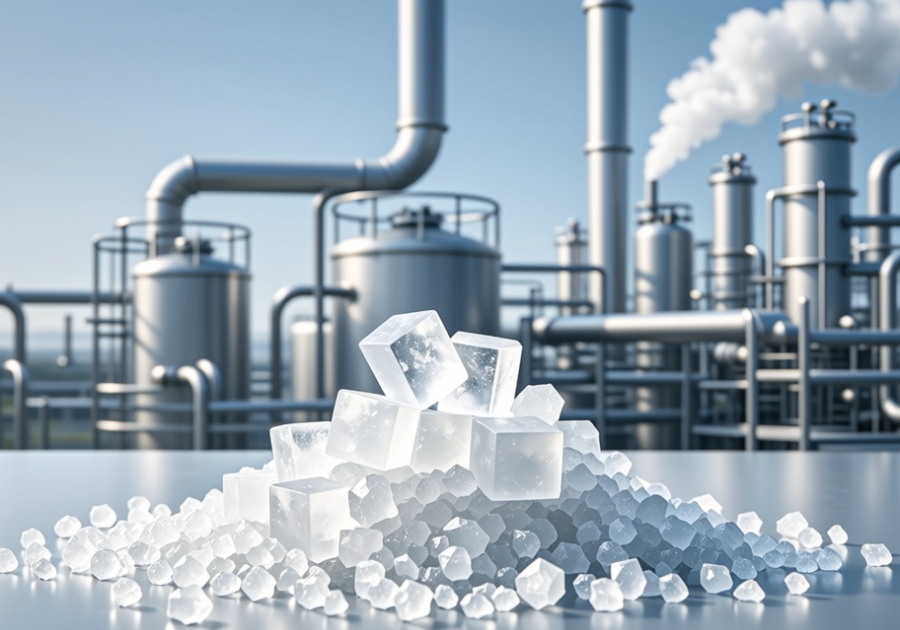
Butane naturally occurs in natural gas along with methane, propane, and other hydrocarbons. During processing, natural gas is cooled, causing butane to liquefy. This liquid butane is then separated and stored for commercial use. This method is the primary source of butane worldwide.
2. Refining from Propane and Isobutane
Butane can also be produced by refining propane and isobutane, hydrocarbons derived from natural gas or petroleum. These processes often involve catalytic reactions and careful temperature control to isolate and purify butane for different industrial purposes.
3. Isobutane Production
Isobutane, a structural isomer of butane, is formed through similar refining processes. Its unique molecular structure gives it properties that make it valuable as a refrigerant and fuel additive.
Common Uses of Butane
- Fuel: Butane is used in lighters, portable stoves, and as a component in vehicle fuels, offering clean combustion and high energy output.
- Refrigerants: Isobutane is a preferred refrigerant in air conditioning and refrigeration systems due to its efficiency and low environmental impact.
- Energy Production: It is burned to generate heat or electricity in industrial and domestic settings.
- Chemical Manufacturing: Butane serves as a feedstock in producing chemicals such as synthetic rubber, pharmaceuticals, and other organic compounds.
Safety Considerations
Butane is highly flammable and must be handled with caution. Production at home is dangerous and strongly discouraged due to risks including fire, explosion, and toxic fumes. Always use commercially produced butane and follow safety guidelines.
Summary Table
| Aspect |
Details |
| Primary Source |
Natural gas processing |
| Production Methods |
Cooling and liquefaction, catalytic refining |
| Main Applications |
Fuel, refrigerant, energy, chemical feedstock |
| State at Room Temperature |
Gas (liquefied under pressure) |
| Safety Note |
Flammable, handle with care; not recommended for home production |
Conclusion
Butane is a versatile hydrocarbon critical to modern energy and manufacturing industries. Its production involves refining natural gas and propane, yielding a product widely used as fuel, refrigerant, and chemical feedstock. Proper handling and respect for safety measures are essential when working with butane.
Looking for chemical products? Let suppliers reach out to you!
You May Interested In


Glow70/KLOW80 99% China Peptides Warehouse Direct Delivery Lyophilized Powder in Stock
$169/UNIT FOB


2026-10-24
Trade Alert
Delivering the latest product trends and industry news straight to your inbox.
(We'll never share your email address with a third-party.)

Related News
Recommend Reading
-
![What are Acetoglycerides? (Definition & Food Industry Uses)]()
What are Acetoglycerides? (Definition & Food Industry Uses)
-
![This week, the caustic soda price remains stable (10.20-10.24)]()
This week, the caustic soda price remains stable (10.20-10.24)
-
![May China Ammonium Sulfate Market Declines from High Levels]()
May China Ammonium Sulfate Market Declines from High Levels
-
![This Week's Slight Increase in the Styrene Market in China (10.20-10.24)]()
This Week's Slight Increase in the Styrene Market in China (10.20-10.24)
-
![Supply and Demand Both Weigh Down, China's Phenol Prices Continue to Fall in May]()
Supply and Demand Both Weigh Down, China's Phenol Prices Continue to Fall in May