How to make sodium carbonate solution and its uses
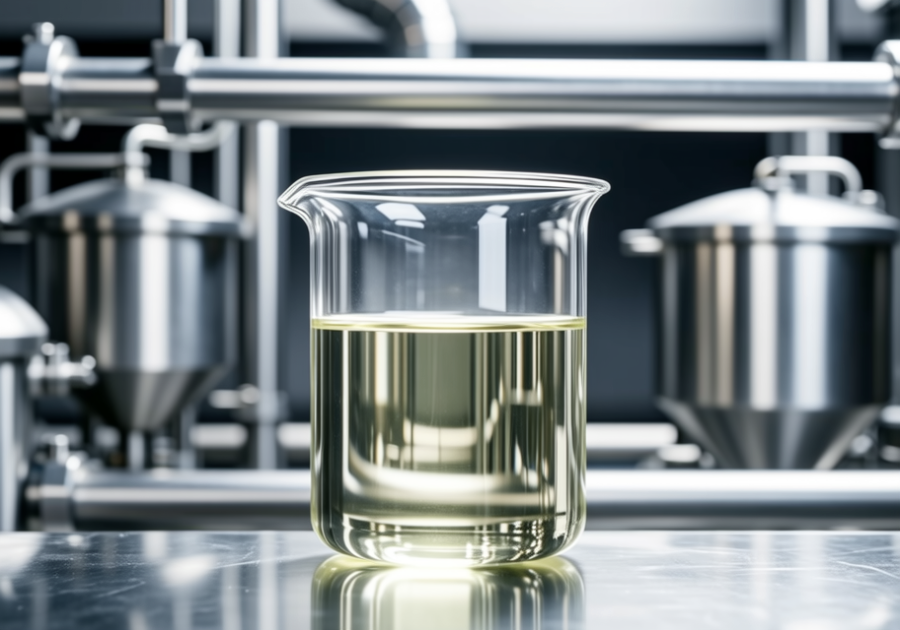
How to make sodium carbonate solution is a question that many people who have to deal with sodium carbonate in the laboratory may ask themselves. To make a sodium carbonate solution, you need to heat up some water and dissolve powdered sodium carbonate in it. The pH of this solution will end up being between 8-9, which is quite basic. Sodium carbonate solution is also called washing soda, or soda. This compound is also known as a water softener, because it found in detergents and water softeners, which are used to soften the water. By using sodium carbonate to soften the water, many minerals like iron and calcium are removed from the water.
How to make sodium carbonate solution
To make sodium carbonate solution, you need to heat up some water and dissolve powdered sodium carbonate in it.
First, you will need to add sodium carbonate in the mixture. Sodium carbonate is a white powder that is often soluble with water, which is why it is used in soap to make a soft foam. It can also be used as a bleaching agent for laundry. The sodium carbonate that we use here is not the same kind, but ordinary sodium carbonate rather than the kind used in soap making. We will use approximately a tablespoon of the powdered sodium carbonate per 2 liters of water. The ratio of the powder to water should be between 1 gram per liter, to 2 grams per liter. The more sodium carbonate you add, the more basic the solution will become. To dissolve it, simply mix the solution until there are no white powder particles visible.
After the sodium carbonate has been dissolved, add hot water and mix it well to distribute everything evenly. Make sure that there are no lumps left in the mixture. Continue stirring until everything is completely dissolved and let it cool down for a minute or two. Once it has cooled down, the sodium carbonate solution is ready to be used.
Once you have made a sodium carbonate solution, you can use it for different things. The most common use is in washing clothes or hands. If you want to use it to wash your hands, make a small amount of the solution and soak your hands in it for around 10 minutes. This will give them the same effect as putting on lotion or hand cream would, but without being greasy afterwards (thanks to the cleaning power of the sodium carbonate). You can also use this solution to remove stains from clothes. Wet the stained area of your clothes with some fresh water and rub them with a small amount of this sodium carbonate solution.
Other uses of sodium carbonate solution
1.To remove iron deposits from fabrics
If you want to clean your iron, or ironing board, you can scrub the iron with a small amount of sodium carbonate solution. It should work as good as using a steel wool pad. You can also use it to remove stains from fabrics. Just place a small amount of sodium carbonate solution directly on the stain and leave it for several hours. It will serve both as an eraser and a disinfectant at the same time, which is why food-based stains are easily removed. You can also use this method to remove rust from metal jewellery or other metal objects that are used outdoors like sunglasses and chairs.
2.Insect repellent
Sodium carbonate solution can be used to make your own insect repellent. All you have to do is mix 1 part sodium carbonate with 9 parts water. It should turn white and become quite shiny when it is ready, and it will smell like vinegar. You can spray this solution directly on clothes or on the skin, but make sure that there are no people or other living creatures near by. This solution also works great to remove dead insects from carpets and upholstery as well. It will evaporate as soon as you spray it, so unless you have a lot of leftover bug repellent at hand, this method may not work for everyone.
3.To make a mild bleach
If you want to use sodium carbonate to clean your bathtub and other bathroom accessories, mix some of the sodium carbonate solution with vinegar and pour it on stain. You can also use this solution to whiten cloths or your bath tub by soaking them in it. Just make sure that you don't add more than the stated amount of sodium carbonate per liter of water, or else they will become too weak. In some cases, chlorine bleach is more effective in cleaning bathtubs and showers, but using sodium carbonate as a substitute will still work if you prefer not to use any chemical-based cleaners at all.
In conclusion, sodium carbonate solution is a very useful chemical that can be used in many different ways. It is a very effective cleaning agent, and it can be used on its own or with vinegar to disinfect surfaces and remove stains. There are many things that you can use this softener to do around the home, but you should have a basic knowledge of how to use it properly before handling it. This explains how to make sodium carbonate solution.
Looking for chemical products? Let suppliers reach out to you!
You May Interested In


Glow70/KLOW80 99% China Peptides Warehouse Direct Delivery Lyophilized Powder in Stock
$169/UNIT FOB


2026-10-25
Trade Alert
Delivering the latest product trends and industry news straight to your inbox.
(We'll never share your email address with a third-party.)

Related News
-
The Calcium Connection: Calcium Chloride And Sodium Carbonat
-
Get to know the process of making sodium carbonate solution
-
Understanding the Arsenate Symbol and Its Uses
-
Benzoylecgonine: Detection and Testing Methods
-
Why You Should Never Mix Bleach and Vinegar
-
What Color Should a Zinc-Copper Couple Be?
Recommend Reading
-
![January Phosphate Market Steady with an Uplift in China]()
January Phosphate Market Steady with an Uplift in China
-
![Sodium Nitrate: Fertilizer, Food Preservative, and Chemical Properties]()
Sodium Nitrate: Fertilizer, Food Preservative, and Chemical Properties
-
![What is Sodium Hipoklorit? (Definition, Uses & Safety)]()
What is Sodium Hipoklorit? (Definition, Uses & Safety)
-
![The End of Hype: Europe’s Bio-stimulant Industry Faces a Science-First Reckoning by 2030]()
The End of Hype: Europe’s Bio-stimulant Industry Faces a Science-First Reckoning by 2030
-
![Japan Tightens the Rules—Then Loosens Them: A Surprising Shift in Food Additive Policy]()
Japan Tightens the Rules—Then Loosens Them: A Surprising Shift in Food Additive Policy