What are the elements present in washing_soda? Let us know!
Are you wondering what are the elements present in washing soda? Washing soda is used as a solo cleaning solution or even as a component in certain household cleaners. It may be produced by placing baking soda inside your microwave or oven. In addition to being frequently utilized in homemade washing solutions, it could also be served as a filtration system or washing stimulant. Another property of washing soda is its alkaline content, which you could use for washing as well as basic home cleanup. Although it does an excellent job cleaning garment, cleaning solutions will always be encouraged for the best possible outcomes.
To find everything about washing soda, along with the elements present in washing soda and its purpose and benefits, continue reading.
What is a Washing Soda?
A chemical compound perfect for cleaning laundry dirt, removing grimes, and other materials
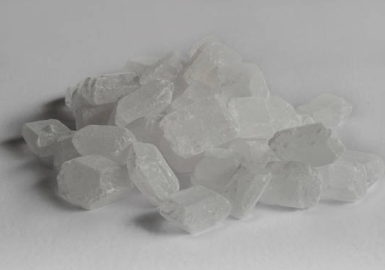
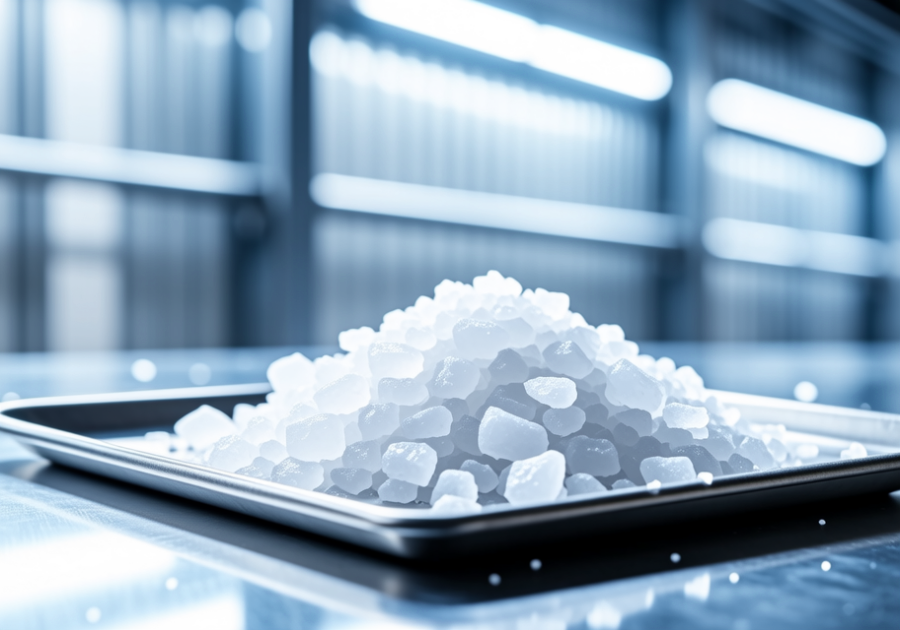
The scientific term for the product washing soda is basically "sodium carbonates" it is a white color, with unscented granules. Because of the beneficial elements in washing soda, they can be used in a wide range of settings, from the kitchen to the workplace. Since Washing soda's elements include an alkaline chemical, it's effective at removing grime from clothing throughout cleaning. Water-absorbing washing sodas are available in the form of washing soda.
The compound sodium carbonate "soothes" waters by assisting other cleaning solutions to pull dirt off the cloth and retain every soil in the water. This washing soda binds towards the elements within hard water, making it easier for some detergent to penetrate the materials and thoroughly rinse and clean the garments.
What are the elements present in washing soda?
Two sodium ions and another carbonate ion have been the only components included in washing soda, which would be ionic compounds.
Chemically speaking, a washing soda product is a salt containing carbonic acids with the composition Na2CO3, customarily termed "sodium carbonate." Many people use washing soda to produce their own wash or laundry detergents, to wipe with more success under hard water, and even as a clothing ingredient to soften the wash water. Hard water is defined as having a high concentration of calcium and some magnesium elements. Although hard water might reduce the cleaning strength of any laundry detergents, washing soda could bond to the mineral elements in the water, enhancing the ability of your homemade cleaners to penetrate garment fibers and begin the rinse cycle. Even though they are structurally quite similar, you must not mistake washing and baking soda.
What are some of the uses of washing soda?
Can eliminate laundry stains.
Washing soda's elements include alkaline compounds, so you may use washing soda to dissolve laundry stains.
Can Unclogs pipes and Drains
You may unclog drains by washing soda with water that has been boiled to a simmer.
Can eliminate filthy buildup from cookware.
You may use it to eliminate dirt and grime inside the kitchen and bathroom floors and difficult smudges from cookware.
Maintains outdoor furnishings
Roses are protected against pests, mosquitoes, and black spots. Sprinkle it on plants after mixing it along with water. This helps reduce outdoor parasites.
It makes your washing machine cleaner.
Your washing machine may be thoroughly deep-cleaned when washing soda is placed inside the barrel, and then the washing machine is used on its high-temperature settings with more wash water.
Are washing soda and baking soda the same?
They do not share a similar chemical substance; therefore, they are not the same. Moreover, baking soda turns into a washing soda once placed inside the stove due to chemical reactions with the hot temperature. Thus, they are connected.
Washing soda is also referred to as soda ashes since it is frequently manufactured from burnt trees or plant embers. Some other method of making a washing soda is merely baking soda inside your microwave. Baking soda is changed chemically when heated inside the stove or oven, turning it from its original state into washing soda. Experts don't advise attempting to produce your homemade washing soda since it may be risky to perform any DIY chemical compounds in a household. Especially the components included in washing soda could be harmful once mixed with other chemicals.
Conclusion
Washing soda is widely available in today's marketplaces, usually alongside other cleaning supplies. Anyone may buy washing soda on their own, and even some businesses provide blended detergents containing washing soda specially made for hard waters. Remember to store washing sodas out of access to your kids and animals and adequately label their bottles to emphasize that they are harmful because sodium carbonate may be in significant amounts. When consumed in excessive dosages, this could result in severe nausea and vomiting along with damage to your eyes and respiratory if breathed.
Looking for chemical products? Let suppliers reach out to you!
You May Interested In


Glow70/KLOW80 99% China Peptides Warehouse Direct Delivery Lyophilized Powder in Stock
$169/UNIT FOB


2026-10-25
Trade Alert
Delivering the latest product trends and industry news straight to your inbox.
(We'll never share your email address with a third-party.)

Related News
-
What is Washing Soda's Compound Name?
-
What Is The Difference Between Washing Soda And Soda Ash
-
The Uses of Sodium Carbonate (Soda Ash) in Everyday Life
-
Understanding Titanium Oxide: Properties and Uses
-
Barium Sulfide: Properties, Uses, and Safety
-
Nature’s Blueprint, Science’s Edge: Corteva Unveils Twin Breakthroughs to Tackle the $70 Billion Insect Threat
-
Permanganate: Properties, Uses, and Safety
-
Uses of Sodium Acetate Trihydrate
-
Key Reactions and Uses of Allene
-
Applications of Copper Sulfate Pentahydrate
Recommend Reading
-
![Iohexol: Properties, Uses, and Safety]()
Iohexol: Properties, Uses, and Safety
-
![Reactions and Uses of Ammonium Dichromate]()
Reactions and Uses of Ammonium Dichromate
-
![Isobutyl: Properties, Uses, and Industrial Applications]()
Isobutyl: Properties, Uses, and Industrial Applications
-
![Applications of Aluminium Orthophosphate]()
Applications of Aluminium Orthophosphate
-
![Phosphoric Acid: Uses in Cola, Rust Removal, and Fertilizers Explained]()
Phosphoric Acid: Uses in Cola, Rust Removal, and Fertilizers Explained
-
![Business Society October 21, 2026 Caustic Soda Trend Analysis: Weakness and Volatility]()
Business Society October 21, 2026 Caustic Soda Trend Analysis: Weakness and Volatility
-
![Business Society October 20, 2026 Caustic Soda Trend Analysis: Volatile Trading]()
Business Society October 20, 2026 Caustic Soda Trend Analysis: Volatile Trading
-
![Weak Balance Under Cost Support—Melamine Market Struggles to Stay Firm]()
Weak Balance Under Cost Support—Melamine Market Struggles to Stay Firm
-
![Business Society October 20, 2026 Hydrogen Peroxide Trend Analysis: Clear Uptrend]()
Business Society October 20, 2026 Hydrogen Peroxide Trend Analysis: Clear Uptrend
-
![China's Acetone Market Reverses Decline and Rises]()
China's Acetone Market Reverses Decline and Rises