Pharmaceutical Health Care Raw Material Chloramphenicol CAS 56-75-7
GMP HALAL KOSHER ISO FDA 7 Inquiries
56-75-7
Pharmaceutical Grade
99.9%
Foil Bag, Box, Drum
2022-12-31

Herb Extracts,Cosmetic raw materails,API
-
Product Description
-
Seller Information
-
Inquiry History
-
Description


Product name: Chloramphenicol Powder
CAS No.: 56-75-7
MF: C11H12Cl2N2O5
MW: 323.13
EINECS: 200-287-4
Melting point: 148-150 °C(lit.)
storage temp.: 2-8°C
Appearance: white powder
Usage: antibacterial, antirickettsial, inhibits protein synthesis
Product name Chloramphenicol CAS register number 56-75-7 Molecular formula C11H12Cl2N2O5 Molecular weight 323.13 Einecs No: 200-287-4 Assay 99% Appearance white or yellohreen crystal or powder Package 25kg/ drum or as required Usage can be used as pharmaceutical material Minimum order quantity 25kg Shipping By express courier Shipping leading time Within 12 hours after receiving the payment Payment options Western Union, MoneyGram, T/T Price Negotiate
Chloramphenico l is an antibiotic useful for the treatment of a number of bacterial infections. This includes meningitis, plague, cholera, and typhoid fever. Its use is only recommended when safer antibiotics cannot be used. Monitoring both blood levels of the medication and blood cell levels every two days is recommended during treatment. It is available intravenously, by mouth, and as an eye ointment.
Common side effects include bone marrow suppression, nausea, and diarrhea. The bone marrow suppression may result in death. To reduce the risk of side effects treatment duration should be as short as possible. People with liver or kidney problems may need lower doses. In young children a condition known as gray baby syndrome may occur which results in a swollen stomach and low blood pressure. Its use near the end of pregnancy and during breastfeeding is typically not recommended. Chloramphenicol is a broad-spectrum antibiotic that typically stops bacterial growth by stopping the production of proteins.
Chloramphenicol is unusual nitroaromatic metabolite produced by Streptomyces venezuelae, first published in 1947. Chloramphenicol is a broad spectrum antibiotic with good activity against Gram negative and anaerobic bacteria. Although restricted to ocular use, antibiotic resistance to other classes has refocused attention on this class. Chloramphenicol acts by binding to the 23S sub-unit of the 50S ribosome, inhibiting protein synthesis. Chloramphenicol has been extensively studied with over 35,000 literature citations
 Chloramphenicol is a broad-spectrum antibiotic.Target: AntibacterialChloramphenicol is a bacteriostatic drug that stops bacterial growth by inhibiting protein synthesis. Chloramphenicol prevents protein chain elongation by inhibiting the peptidyl transferase activity of the bacterial ribosome. It specifically binds to A2451 and A2452 residues in the 23S rRNA of the 50S ribosomal subunit, preventing peptide bond formation. While chloramphenicol and the macrolide class of antibiotics bothCertificatesBasic Info
-
Product Name:
(-)-Chloramphenicol
Other Name:Acetamide,2,2-dichloro-N-[(1R,2R)-2-hydroxy-1-(hydroxymethyl)-2-(4-nitrophenyl)ethyl]-;Acetamide,2,2-dichloro-N-[β-hydroxy-α-(hydroxymethyl)-p-nitrophenethyl]-,D-threo-(-)-;Levomycetin;Acetamide,2,2-dichloro-N-[2-hydroxy-1-(hydroxymethyl)-2-(4-nitrophenyl)ethyl]-,[R-(R*,R*)]-;2,2-Dichloro-N-[(1R,2R)-2-hydroxy-1-(hydroxymethyl)-2-(4-nitrophenyl)ethyl]acetamide;Alficetyn;Amseclor;CAF (pharmaceutical);CAM;CAP;Chemicetina;Chlomycol;Chloramphenicol;Chlorocid;Chloromycetin;Chloronitrin;Cloramicol;Clorocyn;Cloromisan;D-(-)-threo-2-Dichloroacetamido-1-p-nitrophenyl-1,3-propanediol;D-threo-N-Dichloroacetyl-1-p-nitrophenyl-2-amino-1,3-propanediol;Enteromycetin;Farmicetina;Globenicol;Ismicetina;Kemicetine;Klorita;Leukomyan;Levomicetina;Micloretin;Microcetina;D-(-)-threo-1-p-Nitrophenyl-2-dichloracetamido-1,3-propanediol;Novomycetin;Paraxin;Quemicetina;Sintomicetina;Sintomicetine R;Stanomycetin;Tifomycine;Treomicetina;Unimycetin;Detreomycin;I 337A;D-threo-Chloramphenicol;Chlorocidin C;CPh;Chlorocide;D-(-)-threo-Chloramphenicol;Klorocid S;D-Chloramphenicol;Chlorocidin C tetran;D-(-)-threo-1-(4-Nitrophenyl)-2-dichloroacetamido-1,3-propanediol;Chemicetin;Catilan;D-threo-(1R,2R)-1-p-Nitrophenyl-2-dichloroacetamido-1,3-propanediol;D-(-)-Chloramphenicol;D-(-)-threo-1-p-Nitrophenyl-2-dichloroacetylamino-1,3-propanediol;Amphicol;Austracol;Chloramsaar;Chlorocaps;Ciplamycetin;Cloramficin;Cylphenicol;137731-90-9;15313-32-3;55172-72-0;59112-59-3;85666-84-8
CAS No.:56-75-7
Molecular Formula:C11H12Cl2N2O5
InChIKeys:InChIKey=WIIZWVCIJKGZOK-RKDXNWHRSA-N
Molecular Weight:323.13
Exact Mass:323.13
BRN:2225532
EC Number:200-287-4
HScode:29414000
Categories:
Characteristics-
PSA:
115
XLogP3:0.7
Appearance:white powder
Density:1.6±0.1 g/cm3
Melting Point:150.5-151.5 °C
Boiling Point:Sublimes in high vacuum
Flash Point:14 °C
Refractive Index:1.623
Water Solubility:H2O: 2.5 g/L (25 º C);absolute ethanol: soluble 5-20mg/mL (as a stock solution)
Storage Conditions:2-8°C
Vapor Pressure:1.73x10⁻¹² mmHg (est)
Toxicity:Oral-Rat LD50: 2500 mg/kg; Oral-Mouse LD50: 1500 mg/kg
Flammability characteristics:Combustion produces toxic nitrogen oxides and chloride gases
Specific rotation:19.5 º (c=6, EtOH)
Taste:Bitter to taste
PH:Neutral to litmus
Hazard IdentificationClassification of the substance or mixture
Serious eye damage, Category 1
Carcinogenicity, Category 2
Reproductive toxicity, Category 2
GHS label elements, including precautionary statements
Pictogram(s) 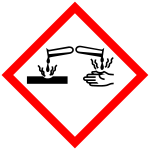

Signal word Danger
Hazard statement(s) H318 Causes serious eye damage
H351 Suspected of causing cancer
H361 Suspected of damaging fertility or the unborn child
Precautionary statement(s) Prevention P280 Wear protective gloves/protective clothing/eye protection/face protection/hearing protection/...
P203 Obtain, read and follow all safety instructions before use.
Response P305+P354+P338 IF IN EYES: Immediately rinse with water for several minutes. Remove contact lenses, if present and easy to do. Continue rinsing.
P317 Get medical help.
P318 IF exposed or concerned, get medical advice.
Storage P405 Store locked up.
Disposal P501 Dispose of contents/container to an appropriate treatment and disposal facility in accordance with applicable laws and regulations, and product characteristics at time of disposal.
Other hazards which do not result in classification
no data available
Handling and StoragePrecautions for safe handling
Handling in a well ventilated place. Wear suitable protective clothing. Avoid contact with skin and eyes. Avoid formation of dust and aerosols. Use non-sparking tools. Prevent fire caused by electrostatic discharge steam.
Conditions for safe storage, including any incompatibilities
PRECAUTIONS FOR "CARCINOGENS": Storage site should be as close as practical to lab in which carcinogens are to be used, so that only small quantities required for ... expt need to be carried. Carcinogens should be kept in only one section of cupboard, an explosion-proof refrigerator or freezer (depending on chemicophysical properties ...) that bears appropriate label. An inventory ... should be kept, showing quantity of carcinogen & date it was acquired ... Facilities for dispensing ... should be contiguous to storage area. Chemical Carcinogens
-
-
Seller Information
-
Business Type:
Manufactory
-
Main Products:
Herb Extracts,Cosmetic raw materails,API
-
Location:
1403,Jinye B Block
-
Payment Terms:
TT against copy of documents
-
Average lead Time:
8
-
Total Annual Revenue:
$2.5 million-$5 million
-
Total Employees:
11-50
-
Year of Establishment:
2015
-
-
Inquiry History7 Inquiries
Country Product Purchase Quantity Date Posted  Bangladesh
Pharmaceutical Health Care Raw Material Chloramphenicol CAS 56-75-7
150 KG Nov 20, 2023  Pakistan
CHLORAMPHENICOL
50 KG Jul 16, 2025
Bangladesh
Chloramphenicol BP
150 KG Nov 27, 2023  Sweden
Chloramphenicol 99% high quality see COA KANBEI
1 MT Nov 21, 2024  India
India
Chloramphenicol
25 KG Dec 25, 2023
Bangladesh
Chloramphenicol BP0
500 MT Dec 2, 2023
Bangladesh
Chloramphenicol BP
150 KG Nov 28, 2023 Post an enquiry for this product