Product
Supplier
Encyclopedia
Inquiry
Home > Natural Products > Phenols > Phytic acid for Sale > Phytate CAS 83-86-3
Phytate CAS 83-86-3 buy - large image1
Phytate CAS 83-86-3 buy - image1
Phytate CAS 83-86-3 buy - image2
Phytate CAS 83-86-3 buy - image3
Phytate CAS 83-86-3 buy - image4
Phytate CAS 83-86-3 buy - image5

Phytate CAS 83-86-3

TDS 4 Inquiries

Unit Price: Get Latest Price
CAS No.:

83-86-3

Grade:

Food Grade

Content:

50%

Port:

Shanghai

Brand:

Entrepreneur

Packaging:

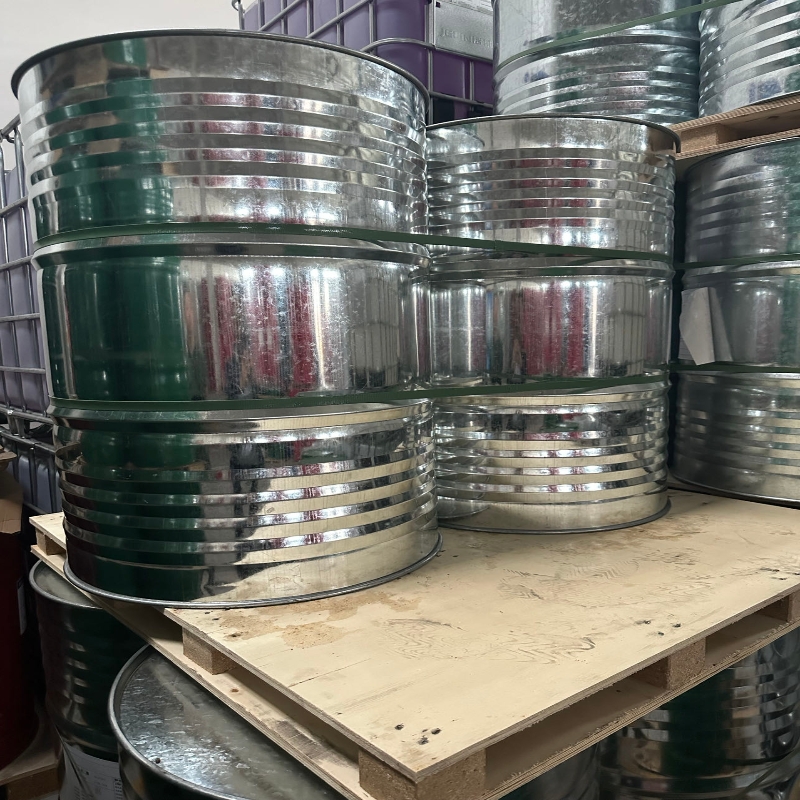
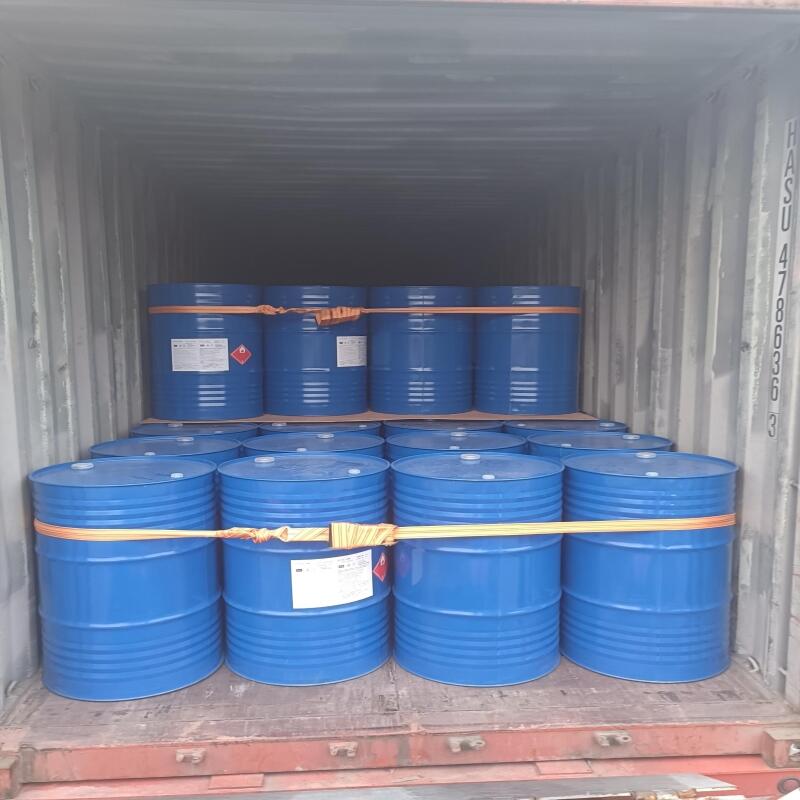
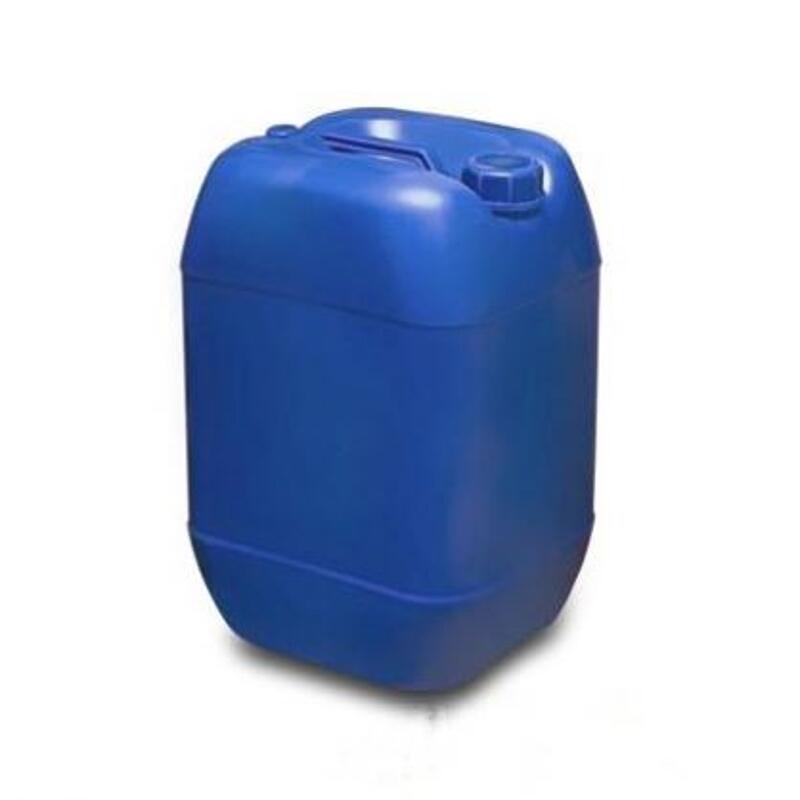
200kg/drum or as per your particular request

Price valid (until):

2024-03-31

Company Type:
Trader
Location:
China
Qualification:
Main Products:

Flavor & Fragrance Ingredients,Plasticizer,API,Pharmaceutical Intermediates,Thermal Powder,Plant Extract

  • Product Description

  • Seller Information

  • Inquiry History

  • Description


      Description  


    Phytic acid, also known as inositol hexaphosphate (IP6), is a naturally occurring compound found in many plant seeds, grains, and legumes. It is a storage form of phosphorus in plants and serves as an energy source during seed germination. Phytic acid is notable for its unique chemical structure, which consists of six phosphate groups attached to an inositol ring.

    Phytic acid has both beneficial and inhibitory properties. On one hand, it acts as an antioxidant and chelating agent, which means it can bind to and reduce the activity of certain minerals like iron, zinc, and calcium. This property makes it useful in food preservation and as a natural antioxidant in various products.

    On the other hand, the presence of phytic acid in certain foods can inhibit the bioavailability of minerals, meaning it reduces their absorption and utilization by the human body. This is because phytic acid forms complexes with minerals, forming insoluble compounds that are less easily absorbed in the digestive system. However, it is important to note that the inhibitory effects of phytic acid can be reduced through food processing methods such as soaking, fermenting, or cooking.

    Phytic acid has also been studied for its potential health benefits. Some research suggests that it may have anticancer, antioxidant, and anti-inflammatory properties. Additionally, it may play a role in reducing the risk of certain chronic diseases and promoting gut health.

    Overall, phytic acid is a naturally occurring compound found in plant-based foods, serving various roles in plants and potentially impacting mineral bioavailability in humans. Its effects on nutrition and health are complex and can be influenced by factors such as food preparation methods and overall dietary composition.


      Features  


    ❶ Chelating properties: Phytic acid has the ability to form complexes with various metal ions, such as iron, zinc, calcium, and magnesium. This chelating property allows it to bind to these minerals, reducing their bioavailability and affecting their absorption and utilization in the body.

    ❷ Antioxidant activity: Phytic acid acts as an antioxidant, helping to neutralize harmful free radicals in the body. It can scavenge reactive oxygen species and protect cells from oxidative damage.

    ❸ Acidic nature: Phytic acid is an acidic compound, which means it can lower the pH of solutions. This property can have implications in food processing and formulation, as well as in various industrial applications.

    ❹ Natural occurrence: Phytic acid is naturally present in many plant-based foods, particularly in seeds, grains, and legumes. It serves as a storage form of phosphorus in plants and plays a role in energy metabolism during seed germination.
    ❺ Potential health benefits: Phytic acid has been studied for its potential health benefits, including its role in reducing the risk of certain cancers, cardiovascular diseases, and other chronic conditions. It may also have anti-inflammatory effects and contribute to gut health.
    ❻ Nutrient interactions: The chelating properties of phytic acid can have both positive and negative effects on nutrient bioavailability. While it can hinder the absorption of certain minerals, it may also have protective effects by reducing the bioavailability of heavy metals and preventing their toxicity.

    ❼ Processing considerations: Phytic acid can be influenced by food processing methods such as soaking, fermenting, and cooking. These processes can help reduce the inhibitory effects of phytic acid on mineral absorption by breaking down its complexes with minerals.


      Applications  


    1. Food and Beverages: Phytic acid is used as a food additive in the food industry. It is utilized as a natural antioxidant, sequestrant, and preservative to extend the shelf life of products. It can help prevent oxidation and maintain the quality of food and beverages.
    2. Pharmaceutical and Nutraceuticals: Phytic acid has been investigated for its potential therapeutic applications. It is used in the formulation of dietary supplements, functional foods, and pharmaceutical products due to its antioxidant and chelating properties. It may be included in products aimed at promoting health and preventing certain diseases.
    3. Cosmetics and Personal Care Products: Phytic acid is incorporated into cosmetics and personal care products for its skin-softening and exfoliating properties. It is used in skincare formulations, such as creams, lotions, and cleansers, to promote skin health and improve texture.
    4. Animal Feed: Phytic acid is included in animal feed formulations as a source of phosphorus. It serves as a nutritional supplement and aids in the digestion and absorption of minerals by animals.
    5. Industrial Applications: Phytic acid is utilized in various industrial processes, such as metal surface treatment, cleaning agents, and detergents. It can act as a chelating agent, helping to remove metal ions and improve the performance of these products.
    6. Environmental Remediation: Phytic acid has been studied for its potential use in environmental remediation, particularly in soil and water treatment. It may aid in the removal of heavy metals and other contaminants from the environment.
    7. Agricultural Applications: Phytic acid is sometimes used as a foliar spray or soil amendment in agriculture. It can enhance nutrient uptake by plants and improve soil quality.


      Specifications  


    Product namePhytic acid Inositol hexaphosphoric acid
    Cas No.83-86-3
    Molecular FormulaC6H18O24P6
    Molecular Weight660.04
    TypeAgrochemicals
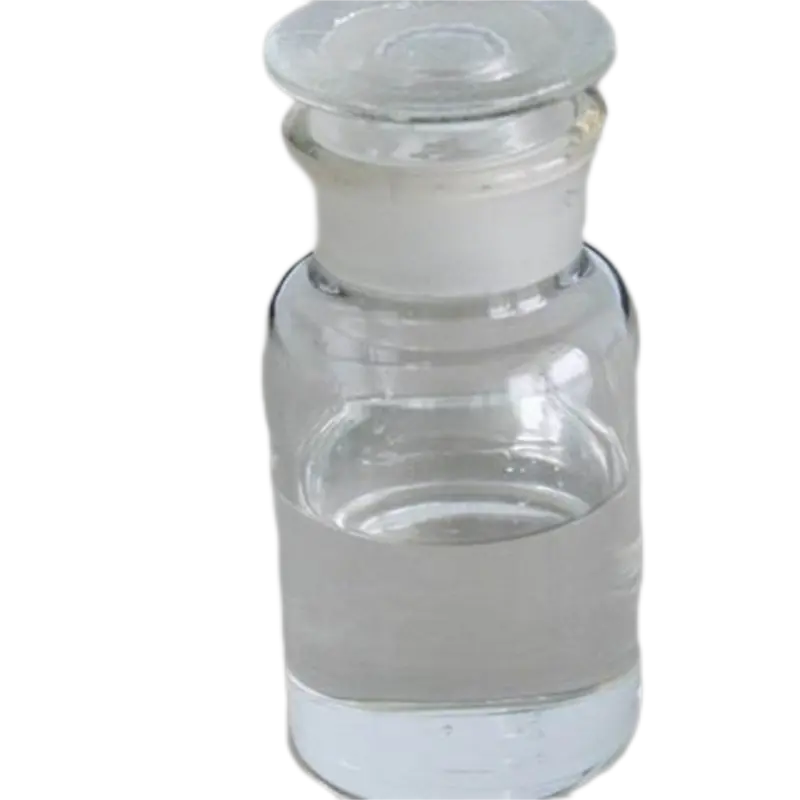
    AppearanceColorless to light yellow liquid
    Purity50% Min


      About Packaging  


    Storage

    Store in a cool, dry, ventilated place.


    Package

    200kg/drum or as per your particular request.

    Certificates

    Basic Info
    Product Name:

    Phytic acid

    Other Name:

    myo-Inositol,1,2,3,4,5,6-hexakis(dihydrogen phosphate);Inositol,hexakis(dihydrogen phosphate),myo-;myo-Inositol,hexakis(dihydrogen phosphate);Fytic acid;Phytic acid;myo-Inositol hexaphosphate;Inositol hexakis(phosphate);Inositol hexaphosphate;Alkalovert;myo-Inositol hexakis(phosphate);IP6;meso-Inositol hexaphosphate;Inositol 1,2,3,4,5,6-hexakisphosphate;Phyliance;InsP6;Exfoderm Forte;Exfoderm;WHL;WHL (depressant);RP 3000;RP 3000 (rust inhibitor);Dermofeel PA 3;IP 6J;50762-79-3;78039-41-5;894854-44-5;1206549-44-1;1242436-18-5

    CAS No.:

    83-86-3

    Molecular Formula:

    C6H18O24P6

    InChIKeys:

    InChIKey=IMQLKJBTEOYOSI-GPIVLXJGNA-N

    Molecular Weight:

    660.03500

    Exact Mass:

    660.04

    EC Number:

    201-506-6

    UNII:

    7IGF0S7R8I

    NSC Number:

    269896

    HScode:

    2919900090

    Categories:

    Phenols

    Characteristics
    PSA:

    459.42000

    XLogP3:

    -10.3

    Appearance:

    colourless to pale yellow liquid

    Density:

    1.285

    Melting Point:

    <25 °C

    Boiling Point:

    1190.666ºC at 760 mmHg

    Flash Point:

    673.9±37.1 °C

    Refractive Index:

    1.391

    Water Solubility:

    Micible with water.

    Storage Conditions:

    Refrigerator

    Toxicity:

    LD50 intravenous in mouse: 500mg/kg

    Collision Cross Section:

    193.29 Ų [M-H]- [CCS Type: DT, Method: single field calibrated with Agilent tune mix (Agilent)]|215.8 Ų [M+H]+ [CCS Type: DT, Method: single field calibrated with ESI Low Concentration Tuning Mix (Agilent)]|195.4 Ų [M-H]- [CCS Type: DT, Method: single field calibrated with ESI Low Concentration Tuning Mix (Agilent)]|201.3 Ų [M+Na-2H]- [CCS Type: DT, Method: single field calibrated with ESI Low Concentration Tuning Mix (Agilent)]

    Hazard Identification

    Classification of the substance or mixture

    Corrosive to metals, Category 1

    Acute toxicity - Category 4, Oral

    Skin corrosion, Category 1

    Serious eye damage, Category 1

    GHS label elements, including precautionary statements

    Pictogram(s)

    Signal word

    Danger

    Hazard statement(s)

    H290 May be corrosive to metals

    H302 Harmful if swallowed

    H314 Causes severe skin burns and eye damage

    H318 Causes serious eye damage

    Precautionary statement(s)
    Prevention

    P234 Keep only in original packaging.

    P264 Wash ... thoroughly after handling.

    P270 Do not eat, drink or smoke when using this product.

    P260 Do not breathe dust/fume/gas/mist/vapours/spray.

    P280 Wear protective gloves/protective clothing/eye protection/face protection/hearing protection/...

    Response

    P390 Absorb spillage to prevent material damage.

    P301+P317 IF SWALLOWED: Get medical help.

    P330 Rinse mouth.

    P301+P330+P331 IF SWALLOWED: Rinse mouth. Do NOT induce vomiting.

    P363 Wash contaminated clothing before reuse.

    P304+P340 IF INHALED: Remove person to fresh air and keep comfortable for breathing.

    P316 Get emergency medical help immediately.

    P321 Specific treatment (see ... on this label).

    P305+P351+P338 IF IN EYES: Rinse cautiously with water for several minutes. Remove contact lenses, if present and easy to do. Continue rinsing.

    P305+P354+P338 IF IN EYES: Immediately rinse with water for several minutes. Remove contact lenses, if present and easy to do. Continue rinsing.

    P317 Get medical help.

    Storage

    P406 Store in a corrosion resistant/...container with a resistant inner liner.

    P405 Store locked up.

    Disposal

    P501 Dispose of contents/container to an appropriate treatment and disposal facility in accordance with applicable laws and regulations, and product characteristics at time of disposal.

    Other hazards which do not result in classification

    no data available

    Handling and Storage

    Precautions for safe handling

    Handling in a well ventilated place. Wear suitable protective clothing. Avoid contact with skin and eyes. Avoid formation of dust and aerosols. Use non-sparking tools. Prevent fire caused by electrostatic discharge steam.

    Conditions for safe storage, including any incompatibilities

    Store the container tightly closed in a dry, cool and well-ventilated place. Store apart from foodstuff containers or incompatible materials.

  • Seller Information
    Business Type:

    Trader

    Main Products:

    Flavor & Fragrance Ingredients,Plasticizer,API,Pharmaceutical Intermediates,Thermal Powder,Plant Extract

    Location:

    Room 902, 917, Hua Teng Bei Tang Business Plaza, No.37 Nan Mo Fang Road, Chao Yang District, Bei Jing, China

    Payment Terms:

    L/C,100% TT in advance

    Average lead Time:

    5

    Total Annual Revenue:

    $5 million-$10 million

    Total Employees:

    11-50

    Year of Establishment:

    2001

    Beijing Entrepreneur Science & Trading Co., Ltd. was established in the year 2001. We are focused on import and export business of high quality specialty chemicals. Since its establishment, relying on diligent efforts, spirit of enterprising and professional services, the company has established extensive cooperation with world-famous chemical manufacturers and gained a good reputation in China chemical industry.

    We have stable distribution cooperation with world leading suppliers from America, Europe, Japan and Taiwan. We are distributors of Ames Advantage Material, Novamet, Lanxess, Momentive, Potters, Rhodia, Roquette, Oerlikon Metco, Inovyn, KJ Chemical, Tokuyama, Mitsubishi Chemical, Chang Chun Group, etc.

    Our products selling in China include Conductive Powder, Thermal Conductive Powder, Microwave Absorbing Powder, Acrylamide Functional Monomer and Special UV Monomer, Special Epoxy Resin, Mercaptan Curing Agent, Silane, Fumed Silica and Precipitated Silica, PVC Paste Resin, PVA, Carbon Black, Modified Starch, Photocatalyst, Formaldehyde Capture agent, Root Blocking Agent, Platinum Catalyst, Vinyl Silicone Oil, Surfactant, etc

    In 2014, the company entered the chemical export business. Based on our understanding of China chemical market, we select most qualified suppliers. We are able to source raw materials directly from factories. Most of our partners are the largest factory in China with over 20 years history. They have huge annual outputs, and hold ISO9001, ISO14001, GMP, KOSHER, HALAL, FDA, GSP, etc. certificates.

    Our export products include Conductive Powder, Thermal Conductive Powder, Plant Extract, Inorganic Powder, Plasticizer, PVC Paste Resin, Silane, Flavors and Fragrances, Salen Catalysts and Ligands, Organic Intermediates, Pharmaceutical Intermediates.

    We continue to add new product lines and chemical distribution centers to service a wider range of industries.

    We hope to become a bridge between China chemical manufacturers and world-wide customers, continue to provide professional products and solutions for customers overseas. We look forward to considerable development in export business of specialty chemicals.

    ">
  • Inquiry History
    4 Inquiries
    Country Product Purchase Quantity Date Posted
    Argentina

    Phytic Acid

    10000 KG Nov 1, 2024
    Mexico

    Photic Acid

    1 KG Feb 3, 2026
    Argentina

    Phytic Acid

    1 20' Fcl Dec 6, 2024
    United Arab Emirates

    Phytic acid

    1 KG Nov 29, 2023
    Post an enquiry for this product
pic ×

Scan the QR Code to Share

All products displayed on this website are only for non-medical purposes such as industrial applications or scientific research, and cannot be used for clinical diagnosis or treatment of humans or animals. They are not medicinal or edible.

According to relevant laws and regulations and the regulations of this website, units or individuals who purchase hazardous materials should obtain valid qualifications and qualification conditions.

The information shown above is provided by the enterprise itself, and the authenticity, accuracy and legitimacy of the content are the responsibility of the publishing company. ECHEMI does not bear any guarantee responsibility for this. Please be aware that risks in internet transactions objectively exist.

Feedback & Suggestions
Send Message

Thank you for your feedback. If you require further assistance, please contact us by email at info@echemi.com or call us at +86-532-55729510.