






High quality Triphenyltin Acetate CAS NO.900-95-8
900-95-8
Pharmaceutical Grade
99%
shanghai
Lonwin
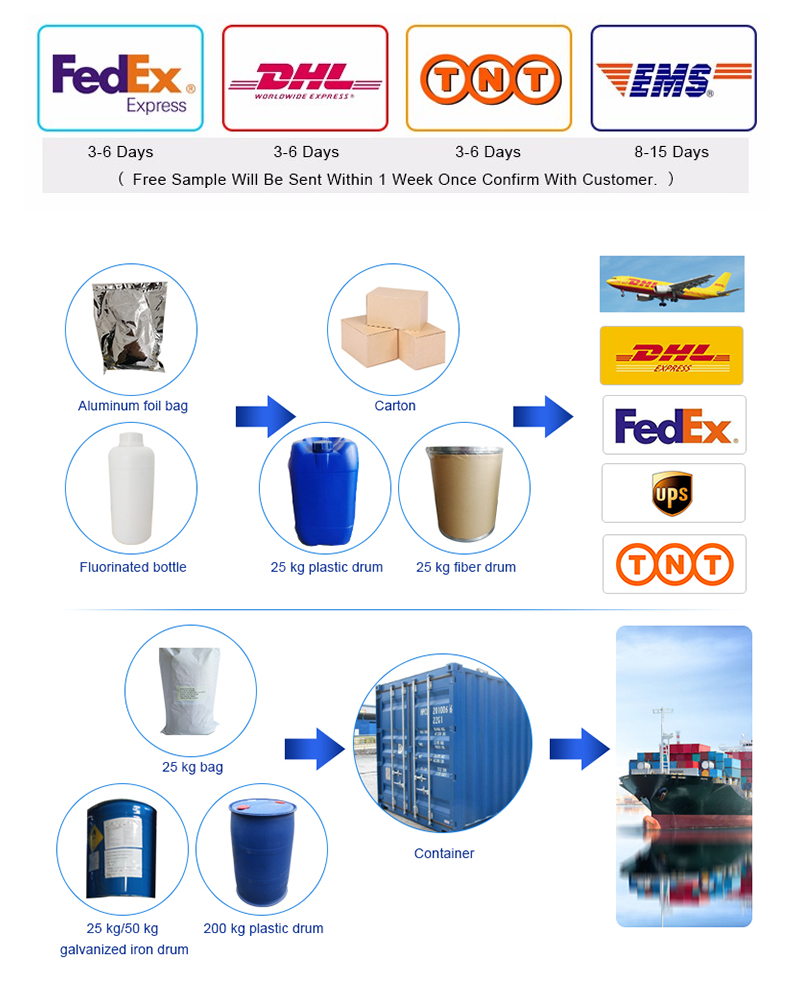
1kg/bag,25kg/drum,25kg/bag
Yes
2024-01-28

CHEMICALS,REAGENTS
-
Product Details
-
Seller Information
-
DescriptionECHEMI Editorial ReferenceChEBI: An organotin compound that is the O-acetyl derivative of triphenyltin hydroxide. A fungicide used to control blights on potatoes, leaf spot diseases on sugar beet and anthracnose on beans.
Stannane, acetoxytriphenyl- appears as a white crystalline solid. Melting point 123-131°C (253-268°F). Used as a fungicide, algaecide and molluscicide. Controls early and late blight on potatoes.|Solid
Stannane, acetoxytriphenyl- appears as a white crystalline solid. Melting point 123-131°C (253-268°F). Used as a fungicide, algaecide and molluscicide. Controls early and late blight on potatoes.|Fentin acetate is an organotin compound that is the O-acetyl derivative of triphenyltin hydroxide. A fungicide used to control blights on potatoes, leaf spot diseases on sugar beet and anthracnose on beans. It has a role as an antifungal agrochemical. It is an organotin compound and an acetate ester. It derives from a fentin hydroxide.
Fentin acetate is an obsolete organotin fungicide. It has a low aqueous solubility and low volatility. Evidence suggests it is quite persistent in soil systems but less so in aquatic systems. Based on its physico-chemical properties it is not expected to leach to groundwater. Ecotoxicological data is limited but acute oral ecotoxicity tends to be high. It is moderately toxic to mammals via the oral route.
Pure product is white crystal, odorless. m.p.118~122℃, vapor pressure 0.177×10⁻³Pa (30℃), relative density 1.55, slightly soluble in most organic solvents, solubility in water is 28mg/L. It is stable in dry place, but it is easy to decompose when exposed to the air and the sunlight, and finally it forms water-soluble tin compounds. The purity of industrial products is 90%~95%.Basic Info-
Product Name:
Triphenyltin acetate
Other Name:FENTIN ACETATE;BATASAN(R);BRESTAN;BRESTAN(R);ACETOXY-TRIPHENYLSTANNANE;(Acetyloxy)(triphenyl)stannane;(acetyloxy)triphenyl-stannan;(acetyloxy)triphenylstannane
CAS No.:900-95-8
Molecular Formula:C20H18O2Sn
InChIKeys:InChIKey=WDQNIWFZKXZFAY-UHFFFAOYSA-M
Molecular Weight:409.07
Exact Mass:409.07
EC Number:212-984-0
NSC Number:76068
UN Number:3146|3020
TSCA:TSCA listed
DSSTox ID:DTXSID6021408
Color/Form:white
Categories:
Characteristics-
PSA:
26.30000
XLogP3:2.21660
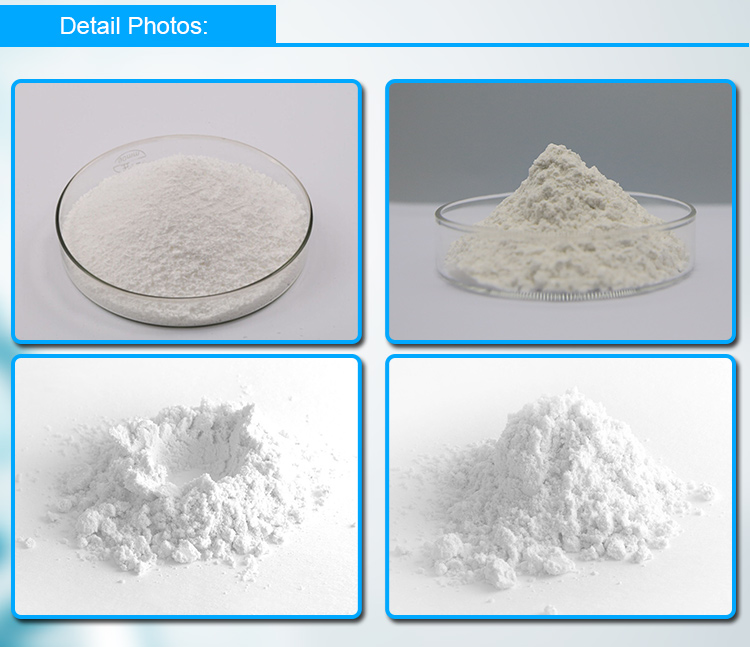
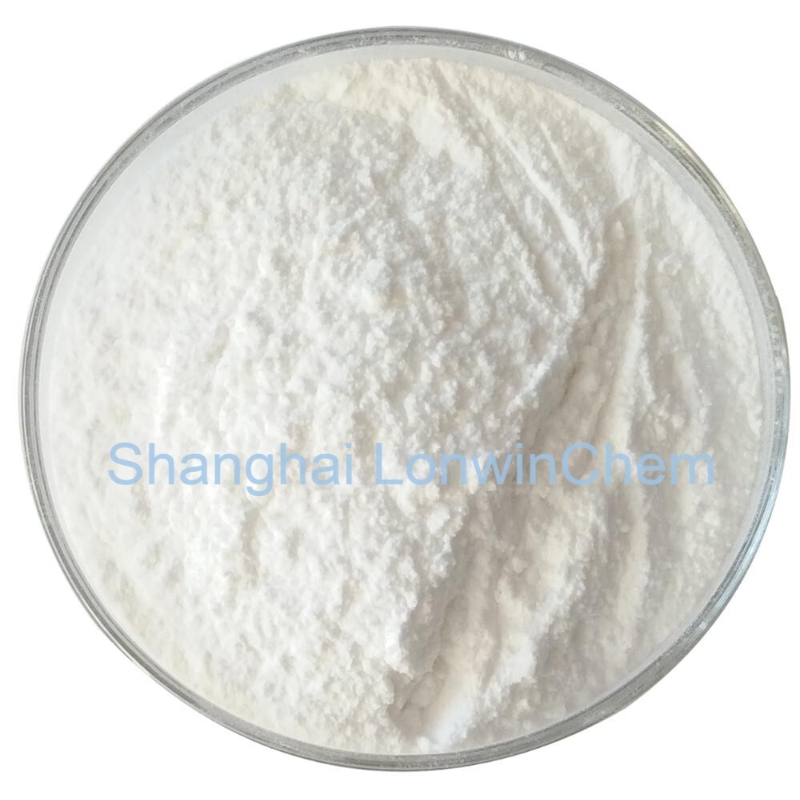
Appearance:white Powder
Density:1.55
Melting Point:118-122°C
Boiling Point:60 °C
Water Solubility:28 mg/L (20 ºC)
Storage Conditions:APPROX 4°C
Vapor Pressure:1.9 x 10⁻³Pa (60 °C)
Toxicity:LD50 oral in rabbit: 30mg/kg
Flammability characteristics:Thermal decomposition of toxic tin-containing gas
Henrys Law Constant:2.0×10³mol/(m3Pa) at 25℃, Ebert et al. (2023)
Experimental Properties:Converted to fentin hydroxide (triphenyltin hydroxide) in presence of water. Unstable in acids and alkalis at 22 °C. Decomposed by sunlight and atmospheric oxygen.
Air and Water Reactions:Slowly oxidized, hydrolyzed when exposed to air and moisture.
Reactive Group:Organometallics
Reactivity Profile:ACETOXYTRIPHENYLSTANNANE is subject to decomposition when exposed to air, light and moisture [EPA, 1998].
Autoignition Temperature:IT IS NEITHER FLAMMABLE NOR AUTOIGNITIBLE.
Critical Temperature & Pressure:APPROX 4°C
Hazard IdentificationClassification of the substance or mixture
Acute toxicity - Category 3, Oral
Acute toxicity - Category 3, Dermal
Skin irritation, Category 2
Serious eye damage, Category 1
Acute toxicity - Category 2, Inhalation
Specific target organ toxicity â single exposure, Category 3
Carcinogenicity, Category 2
Specific target organ toxicity â repeated exposure, Category 1
Hazardous to the aquatic environment, short-term (Acute) - Category Acute 1
Hazardous to the aquatic environment, long-term (Chronic) - Category Chronic 1
Reproductive toxicity, Category 2
GHS label elements, including precautionary statements
Pictogram(s) 



Signal word Danger
Hazard statement(s) H301 Toxic if swallowed
H311 Toxic in contact with skin
H315 Causes skin irritation
H318 Causes serious eye damage
H330 Fatal if inhaled
H335 May cause respiratory irritation
H351 Suspected of causing cancer
H372 Causes damage to organs through prolonged or repeated exposure
H410 Very toxic to aquatic life with long lasting effects
Precautionary statement(s) Prevention P264 Wash ... thoroughly after handling.
P270 Do not eat, drink or smoke when using this product.
P280 Wear protective gloves/protective clothing/eye protection/face protection/hearing protection/...
P260 Do not breathe dust/fume/gas/mist/vapours/spray.
P271 Use only outdoors or in a well-ventilated area.
P284 [In case of inadequate ventilation] wear respiratory protection.
P261 Avoid breathing dust/fume/gas/mist/vapours/spray.
P203 Obtain, read and follow all safety instructions before use.
P273 Avoid release to the environment.
Response P301+P316 IF SWALLOWED: Get emergency medical help immediately.
P321 Specific treatment (see ... on this label).
P330 Rinse mouth.
P302+P352 IF ON SKIN: Wash with plenty of water/...
P316 Get emergency medical help immediately.
P361+P364 Take off immediately all contaminated clothing and wash it before reuse.
P332+P317 If skin irritation occurs: Get medical help.
P362+P364 Take off contaminated clothing and wash it before reuse.
P305+P354+P338 IF IN EYES: Immediately rinse with water for several minutes. Remove contact lenses, if present and easy to do. Continue rinsing.
P317 Get medical help.
P304+P340 IF INHALED: Remove person to fresh air and keep comfortable for breathing.
P320 Specific treatment is urgent (see ... on this label).
P319 Get medical help if you feel unwell.
P318 IF exposed or concerned, get medical advice.
P391 Collect spillage.
Storage P405 Store locked up.
P403+P233 Store in a well-ventilated place. Keep container tightly closed.
Disposal P501 Dispose of contents/container to an appropriate treatment and disposal facility in accordance with applicable laws and regulations, and product characteristics at time of disposal.
Other hazards which do not result in classification
no data available
Handling and StoragePrecautions for safe handling
Handling in a well ventilated place. Wear suitable protective clothing. Avoid contact with skin and eyes. Avoid formation of dust and aerosols. Use non-sparking tools. Prevent fire caused by electrostatic discharge steam.
Conditions for safe storage, including any incompatibilities
Store under dark & dry condition.
-
-
Seller Information
-
Business Type:
Trader
-
Main Products:
CHEMICALS,REAGENTS
-
Location:
No 966 Huaxu Road, Qingpu District, Shanghai, 201702, P.R. China
-
Payment Terms:
TT against copy of documents,L/C,TT against B/L draft before shipment,100% TT in advance
-
Average lead Time:
10 days
-
Total Annual Revenue:
$10 million-$25 million
-
Total Employees:
11-50
-
Year of Establishment:
2011
-
-
Country Product Purchase Quantity Date Posted Post an enquiry for this product







More from this Seller
-
-

-
High quality C12-15 PARETH-2 CAS NO.68131-39-5
Pharmaceutical Grade / 99%
-
-
-

-
High quality Lithium carbonate CAS NO.554-13-2
Pharmaceutical Grade / 99%
-
-
-

-
High-quality UV Stabilizer 770 CAS NO.52829-07-9
Pharmaceutical Grade / 99%
-
-
-

-
High quality tert-Butyl bromoacetate CAS NO.5292-43-3
Pharmaceutical Grade / 99%
-
-
-

-
High purity Cyanamide CAS NO.420-04-2
Pharmaceutical Grade / 99%
-
-
-

-
High Quality Aluminum sulfat CAS NO.16828-11-8
Pharmaceutical Grade / 99%
-

Hot Related Products
-
 Sodium Hydroxide 50% Colorless
-
 Caustic Soda pearls Industrial Grade top quality
-
 CSF Caustic Soda Flakes
-
 Caustic Soda pearls in aluminum foil bag or as customized
-
 Caustic Soda Flakes - Sodium Hydroxide 99% White Micro Flakes Balsa
-
 Caustic Soda pearls Industrial Grade hot sale
-
 Caustic Soda 99% white
-
 High Quality Caustic Soda pearls Industrial Grade
-
 Sodium hydroxide 1310-73-2
-
 Caustic Soda Liquid or Sodium Hydroxide Solution
$0.4-0.5/KG FOB


