Product
Supplier
Encyclopedia
Inquiry
Mono Ethylene Glycol  99% buy - large image1
Mono Ethylene Glycol  99% buy - image1
Mono Ethylene Glycol  99% buy - image2
Mono Ethylene Glycol  99% buy - image3

Mono Ethylene Glycol 99%

TDS 151 Inquiries

Unit Price: Get Latest Price
CAS No.:

107-21-1

Grade:

Industrial Grade

Content:

99%

Port:

QINGDAO

Brand:

EAST CHEMSOURCES

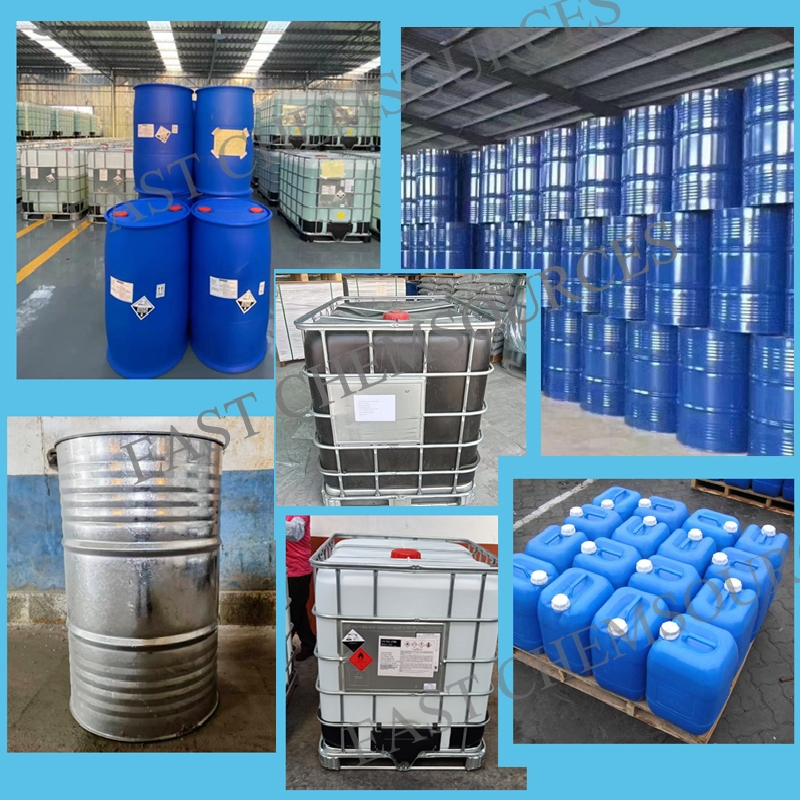
Packaging:

200KG DRUM OR 1100KG IBCS

Price valid (until):

2024-02-25

Company Type:
Trader
Location:
China
Qualification:
Main Products:

Food additives,Pharmaceutical raw materials,Chemicals,Comestic raw materials

  • Product Description

  • Seller Information

  • Inquiry History

  • Description

    Shop Mono Ethylene Glycol  99%-Detailed Image 1

    1.IDENTIFICATION OF THE SUBSTANCE/PREPARATION AND OF THE

    COMPANY/UNDERTAKING

    Product Name : Mono Ethylene Glycol

    Company :EAST CHEMSOURCES LIMITED

    Add: NO. 666 HAIBIN 12 TH  ROAD,HUANGDAO,QINGDAO,CHINA

    Telephone : 81906761

    Fax : 81906761

    Emergency Phone # : 81906761

    E -mail address :SALES@EASTCHEM-CN.COM

    2 .COMPOSITION,INFORMATION ON INGREDIENTS


    CAS#

    Chemical Name

    Formula

    Molecular

    Weight

    EINECS #

    H. S. CODE

    107-21-1

    Mono Ethylene

    Glycol

    C2H6O2

    62.07g/mol

    203-473-3

    2905310000


    Compositon of Mono Ethylene Glycol

    Ingerdients

    Percentage

    CAS No.

    Mono Ethylene Glycol

    99.8%

    107-21-1

    Acetic Acid

    0.001%

    64-19-7

    Water

    0.01%

    7732-18-5

    Iron

    0.00001%

    7439-89-6

    Ash

    0.001%

    68131-74-8

    Formaldehyde

    0.0.0008%

    50-00-0


    3. HAZARDS   IDENTIFICATION

    Emergency Overview OSHA Hazards

    Target Organ Effect, Harmful by ingestion., Irritant, Teratogen

    Target Organs

    Liver, Cardiovascular system., Eyes, Kidney, Central nervous system

    Shop Mono Ethylene Glycol  99%-Detailed Image 2 GHS Label elements, including precautionary statements


    Pictogram

    Signal word Warning Hazard statement(s)


    H302 Harmful if swallowed.

    H319 Causes serious eye irritation. Precautionary statement(s)

    P264 Wash skin thoroughly after handling.

    P270 Do not eat, drink or smoke when using this product. P280 Wear protective gloves/eye protection/face protection.

    P301 + P312 IF SWALLOWED: Call a POISON CENTER or doctor/physician if you feel unwell.

    P305  +  P351  +  P338 IF IN EYES: Rinse cautiously with water for several minutes. Remove contact lenses, if present and easy to do. Continue rinsing.

    P330 Rinse mouth.

    P337 + P313 If eye irritation persists: Get medical advice/attention.

    P501 Dispose of contents/container to an approved waste disposal plant.

    HMIS Classification Health   hazard: 2

    Chronic   Health   Hazard: *

    Flammability: 1

    Physical   hazards: 1

    NFPA Rating

    Health hazard: 2

    Fire: 1

    Reactivity Hazard: 1

    Potential Health   Effects

    Inhalation May be harmful if inhaled. Causes respiratory tract irritation.

    Skin May be harmful if absorbed through skin. Causes skin irritation.

    Eyes Causes eye irritation.

    Ingestion Harmful if swallowed.

    4. FIRST AID   MEASURES General   advice

    Consult a physician. Show this safety data sheet to the doctor in attendance.Move out of dangerous area.

    If inhaled

    If breathed in, move person into fresh air. If not breathing give artificial respiration Consult a physician.

    In case of skin contact

    Wash off with soap and plenty of water. Consult a physician.

    In case of eye contact

    Rinse thoroughly with plenty of water for at least 15 minutes and consult a physician.

    If swallowed

    Never give anything by mouth to an unconscious person. Rinse mouth with water. Consult a physician.

    5. FIRE FIGHTING MEASURES Suitable extinguishing   media


    Use water spray, alcohol-resistant foam, dry chemical or carbon dioxide.

    Special protective equipment for fire-fighters

    Wear self contained breathing apparatus for fire fighting if necessary.

    6. ACCIDENTAL RELEASE MEASURES Personal precautions

    Use personal protective equipment. Avoid breathing vapors, mist or gas. Ensure adequate ventilation.

    Environmental precautions

    Do not let product enter drains.

    Methods and materials for containment and cleaning up

    Soak up with inert absorbent material and dispose of as hazardous waste. Keep in suitable, closed containers for disposal.

    1. HANDING AND STORAGE Precautions for safe handling Avoid inhalation of vapour or mist.

    Normal measures for preventive fire protection.

    Conditions for safe storage

    Keep container tightly closed in a dry and well-ventilated place.

    8. EXPOSURE CONTROLS/PERSONAL PROTECTION Components   with   workplace   control   parameters

    Components

    CAS-No

    Value

    Control

    parameters

    Update

    Basis

    Mono Ethylene

    Glycol

    107-21-1

    C

    50ppm 125mg/33

    1989-01-19

    USA. OSHA - TABLE Z-1

    Limits for Air Contaminants - 1910.1000


    C

    100mg/m3

    2007-01-01

    USA. ACGIH Threshold

    Limit Values (TLV)

    Remarks

    Eye & Upper Respiratory Tract irritation Not classifiable as a human carcinogen: Agents which cause concern that they could be carcinogenic for humans but which cannot be assessed conclusively because of a lack of data. In vitro or animal studies do not provide indications of carcinogenicity which

    are sufficient to classify the agent into one of the other categories.


    Personal protective   equipment Respiratory   protection

    Where risk assessment shows air-purifying respirators are appropriate use a full-face respirator with multi-purpose combination (US) or type ABEK (EN 14387) respirator cartridges as a backup to engineering controls. If the respirator is the sole means of protection, use a full- face supplied air respirator. Use respirators and components tested and approved under appropriate government standards such as NIOSH (US) or CEN (EU).

    Hand protection Handle with gloves. Eye protection


    Face shield and safety glasses

    Skin and body protection

    Choose body protection according to the amount and concentration of the dangerous substance at the work place.

    Hygiene measures

    Handle in accordance with good industrial hygiene and safety practice. Wash hands before breaks and at the end of workday.

    9. PHYSICAL AND CHEMICAL   PROPERTIES Appearance

    Form liquid Colour colourless Safety   data

    pH no data available Melting point -13 °C (9 °F)

    Boiling point 196 - 198 °C (385 - 388 °F) Flash point 111 °C (232 °F) - closed cup Ignition temperature 400 °C (752 °F) Lower explosion limit 3.2 %(V)

    Upper explosion limit 15.3 %(V)

    Vapour pressure 0.11 hPa (0.08 mmHg) at 20 °C (68 °F)

    0.13 hPa (0.10 mmHg) at 20 °C (68 °F)

    Density 1.113 g/mL at 25 °C (77 °F)

    Water solubility completely miscible soluble Partition coefficient: log Pow: -1.36

    n-octanol/water

    10. STABILITY AND REACTIVITY DATA Chemical stability

    Stable under recommended storage conditions.

    Conditions to avoid no data available Materials to avoid

    Strong acids, Strong oxidizing agents, Strong bases, Aldehydes, Aluminum

    Hazardous decomposition products

    Hazardous decomposition products formed under fire conditions. - Carbon oxides

    1. TOXICOLOGICAL INFORMATION INFORMATION Acute toxicity LD50 Oral - rat - 4,700 mg/kg

    LD50 Dermal - rabbit - 10,626 mg/kg

    Skin corrosion/irritation

    Serious eye damage/eye irritation Eyes - rabbit - Mild eye irritation - 24 h Respiratory or skin sensitization

    no data available

    Germ cell mutagenicity


    no data available

    Carcinogenicity

    This product is or contains a component that is probably not carcinogenic based on its IARC, ACGIH, NTP, or EPA classification.


    IARC: No component of this product present at levels greater than or equal to 0.1% is identified as probable, possible or confirmed human carcinogen by IARC. NTP: No component of this product present at levels greater than or equal to

    0.1% is identified as a known or anticipated carcinogen by NTP.

    OSHA: No component of this product present at levels greater than or equal to 0.1% is identified as a carcinogen or potential carcinogen by OSHA.

    Reproductive toxicity

    Laboratory experiments have shown teratogenic effects.

    Overexposure may cause reproductive disorder(s) based on tests with laboratory animals.

    Specific target organ toxicity - single exposure (GHS)

    no data available

    Specific target organ toxicity - repeated exposure (GHS)

    no data available Aspiration hazard no data available

    Potential health effects

    Inhalation May be harmful if inhaled. Causes respiratory tract irritation.

    Ingestion Harmful if swallowed.

    Skin May be harmful if absorbed through skin. Causes skin irritation.

    Eyes Causes eye irritation.

    Signs and Symptoms of   Exposure

    When ingested early symptoms mimic alcohol inebriation and are followed by nausea, vomiting, abdominal pain, weakness, muscle tenderness, respiratory failure, convulsions, cardiovascular collapse, pulmonary edema, hypocalcemic tetany, and severe metabolic acidosis. Without treatment, death may occur in 8 to 24 hours. Victims who survive the initial toxicity period usually develop renal failure along with brain and liver damage., Exposure to and/or consumption of alcohol may increase toxic effects.

    Additional Information

    RTECS: KW2975000

    12. ECOLOGICAL INFORMATION Toxicity

    Toxicity to fish LC50 - Oncorhynchus mykiss (rainbow trout) - 18,500 mg/l - 96 h LC50 - Leuciscus idus (Golden orfe) - > 10,000 mg/l - 48 h

    NOEC - Pimephales promelas (fathead minnow) - 32,000 mg/l - 7 d NOEC - Pimephales promelas (fathead minnow) - 39,140 mg/l - 96 h

    Toxicity to daphnia EC50 - Daphnia magna (Water flea) - 74,000 mg/l - 24 h and other aquatic invertebrates.


    NOEC - Daphnia - 24,000 mg/l - 48 h

    LC50 - Daphnia magna (Water flea) - 41,000 mg/l - 48 h

    Persistence and degradability no data available Bioaccumulative potential Does not bioaccumulate.

    Bioaccumulation other fish - 61 d Bioconcentration factor (BCF): 0.60 Mobility in   soil

    no data available

    PBT and vPvB assessment

    no data available Other adverse effects no data available

    13. DISPOSAL   CONSIDERATIONS Product

    Observe all federal, state, and local environmental regulations. Contact a licensed professional waste disposal service to dispose of this material. Dissolve or mix the material with a combustible solvent and burn in a chemical incinerator equipped with an afterburner and scrubber.

    Contaminated packaging

    Dispose of as unused product.

    14. TRANSPORT   INFORMATION

      1. 1 UN-Number

    ADR,RID,ADN, IMDG, IATA Not applicable.

      1. 2 UN proper shipping name

    ADR,RID,ADN, IMDG, IATA Not applicable.

      1. 3 Transport hazard class(es) ADR,RID,ADN, IMDG, IATA

    Class Not applicable.

      1. 4 Packing group

    ADR,RID,ADN, IMDG, IATA Not applicable.

      1. 5 Environmental hazards Not applicable.
      2. 6 Special precautions for user Not applicable.
      3. 7 Transport in bulk according to Annex II of Marpol and the IBC Code Not applicable.
      4. 8  Transport/Additional information: Not dangerous according to the above specifications.

    UN "Model Regulation":

      1. 9 IMO/IMDG Not regulated.

    15 REGULATORY INFORMATION

    OSHA Hazards

    Target Organ Effect, Harmful by ingestion, Irritant, Teratogen

    DSL Status


    All compnets of this product are on the Canadian DSL list.

    SARA 302 Compents

    SARA 302: No chemicals in this materials are subject to the reporting requirements of SARA Title iii, Section 302.

    SARA 313 Components

    CAS NO. Revision Date Mono Ethylene Glycol 107-21-1 2007-07-01

    SARA 311/312 Hazards

    Acute Health Hzard, Chronic Health Hazard

    Massachusetts Right tTo Know Components

    CAS NO. Revision Date Mono Ethylene Glycol 107-21-1 2007-07-01

    Pennsylvania Right To Know Components

    CAS NO. Revision Date Mono Ethylene Glycol 107-21-1 2007-07-01

    New Jersey Right tTo Know Components

    CAS NO. Revision Date Mono Ethylene Glycol 107-21-1 2007-07-01

    California Prop3 65 Compents

    This product does not contain any chemicals knowns to State of California to cause cancer, birth defects, or any other reproductive harm.

    16 OTHER INFORMATION

    The above information pertains to this product as currently formulated, and is based on the information avaliable at this time. Additional of reducers or other additives to this product may substantially alter the compositon and hazards of the product. Since conditions of use are outside our control, we make no warranties, express or implied and assume no liability in connection with any use of this information.

    Items Specifications


    Certificates

    Basic Info
    Product Name:

    Ethylene glycol

    Other Name:

    1,2-Ethanediol;Glycol;Ethylene glycol;Ethylene alcohol;Ethylene dihydrate;Glycol alcohol;Macrogol 400 BPC;Monoethylene glycol;Tescol;1,2-Dihydroxyethane;Ramp;2-Hydroxyethanol;Fridex;Ucar 17;Dowtherm SR 1;Norkool;Zerex;1,2-Ethylene glycol;146AR;Union Carbide XL 54 Type I De-icing Fluid;MEG 100;NSC 93876;Glysil GS;E 600;E 600 (glycol);SR 01;E 0105;37221-95-7;71767-64-1;1371582-33-0;2088100-90-5

    CAS No.:

    107-21-1

    Molecular Formula:

    C2H6O2

    InChIKeys:

    InChIKey=LYCAIKOWRPUZTN-UHFFFAOYSA-N

    Molecular Weight:

    62.06780

    Exact Mass:

    62.07

    EC Number:

    919-715-2

    HScode:

    2905310000

    Characteristics
    PSA:

    40.46000

    XLogP3:

    -1.02900

    Appearance:

    Ethylene glycol is a clear, colorless syrupy liquid. The primary hazard is the threat to the environment. Immediate steps should be taken to limit its spread to the environment. Since it is a liquid it can easily penetrate the soil and contaminate groundwater and nearby streams.

    Density:

    1.1135 g/cm3 @ Temp: 20 °C

    Melting Point:

    -13 °C

    Boiling Point:

    197.3 °C

    Flash Point:

    116ºC

    Refractive Index:

    1.43-1.433

    Water Solubility:

    Micible with water.

    Storage Conditions:

    2-8ºC

    Vapor Pressure:

    0.08 mm Hg ( 20 °C)

    Vapor Density:

    2.1 (vs air)

    Explosive limit:

    Explosive limits , vol% in air: 3.2-15.3

    Odor:

    Odorless

    Taste:

    Sweet taste

    Hazard Identification

    Classification of the substance or mixture

    Acute toxicity - Category 4, Oral

    GHS label elements, including precautionary statements

    Pictogram(s)

    Signal word

    Warning

    Hazard statement(s)

    H302 Harmful if swallowed

    Precautionary statement(s)
    Prevention

    P264 Wash ... thoroughly after handling.

    P270 Do not eat, drink or smoke when using this product.

    Response

    P301+P317 IF SWALLOWED: Get medical help.

    P330 Rinse mouth.

    Storage

    none

    Disposal

    P501 Dispose of contents/container to an appropriate treatment and disposal facility in accordance with applicable laws and regulations, and product characteristics at time of disposal.

    Other hazards which do not result in classification

    no data available

    Handling and Storage

    Precautions for safe handling

    NO open flames. Handling in a well ventilated place. Wear suitable protective clothing. Avoid contact with skin and eyes. Avoid formation of dust and aerosols. Use non-sparking tools. Prevent fire caused by electrostatic discharge steam.

    Conditions for safe storage, including any incompatibilities

    Separated from strong oxidants and strong bases. Dry. Ventilation along the floor.Polyethylene glycols should be stored in well-closed containers in a cool, dry place. Stainless steel, aluminum, glass, or lined steel containers are preferred for the storage of liquid grades.

  • Seller Information
    Business Type:

    Trader

    Main Products:

    Food additives,Pharmaceutical raw materials,Chemicals,Comestic raw materials

    Location:

    Room 501, Unit 6, No. 40, hushan road,Licang,Qingdao

    Payment Terms:

    TT against copy of documents,TT against B/L draft before shipment,100% TT in advance

    Average lead Time:

    10

    Total Annual Revenue:

    $1 million-$2.5 million

    Total Employees:

    11-50

    Year of Establishment:

    2017

    QINGDAO EASTCHEMSORCES TRADE LIMITED is a leading Manufactory supplier of Sorbitol, Citric acid, Sodium hypochlorite based in Qingdao, Shandong, China. With a commitment to quality and customer satisfaction, QINGDAO EASTCHEMSORCES TRADE LIMITED has become a trusted name in the industry. Our product line includes a range of high-quality Sorbitol, Citric acid, Sodium hypochlorite, which are available at competitive prices. QINGDAO EASTCHEMSORCES TRADE LIMITED has established itself as a reliable supplier of chemical products on the echemi.com.

  • Inquiry History
    151 Inquiries
    Country Product Purchase Quantity Date Posted
    India

    Wholesale High Purity Meg 107-21-1 Mono Ethylene Glycol with Best Price

    100 MT Oct 23, 2023
    Kazakstan

    Ethylene Glycol

    4 20' Fcl Nov 20, 2024
    India

    ethylene glycol

    1.00 20' Fcl Mar 1, 2024
    Germany

    Ethylene Glycol

    550 TON Jun 11, 2024
    Pakistan

    ethylene glycol

    1.00 MT Aug 22, 2024
    Poland

    ethylne glycol

    100 MT Nov 6, 2024
    South Africa

    Ethylene Glycol

    25.00 KG Jun 12, 2025
    Poland

    ethylne glycol

    100 MT Sep 24, 2024
    India

    ethylene glycol

    1.00 20' Fcl Feb 19, 2024
    Norway

    Ethylene Glycol

    30.00 KG Jun 6, 2025
    Norway

    Ethylene Glycol

    100.00 KG Jun 8, 2025
    Qatar

    Monoethylene Glycol (MEG)

    40.00 TON May 23, 2024
    Turkey

    MONO ETHYLENE GLYCOL

    100.00 KG Feb 8, 2024
    Brazil

    Ethylene glycol

    450 MT Apr 28, 2024
    Egypt

    Mono Ethylene Glycol 99.9% MEG Transparent liquid, free of mechanical impurities

    Oct 15, 2023
    India

    mono ethylene glycol

    22 MT Jul 4, 2026
    Pakistan

    Mono Ethylene Glycol 99.8 %

    24 L Jun 23, 2026
    India

    MONOETHLYLEN GLYCON (TECHNICAL GRADE)

    700.00 KG Jun 16, 2026
    India

    Mono Ethylene Glycol

    1.00 MT Apr 21, 2026
    Brazil

    Monoethylene Glycol

    1 20' Fcl Apr 16, 2026
    Post an enquiry for this product
pic ×

Scan the QR Code to Share

All products displayed on this website are only for non-medical purposes such as industrial applications or scientific research, and cannot be used for clinical diagnosis or treatment of humans or animals. They are not medicinal or edible.

According to relevant laws and regulations and the regulations of this website, units or individuals who purchase hazardous materials should obtain valid qualifications and qualification conditions.

The information shown above is provided by the enterprise itself, and the authenticity, accuracy and legitimacy of the content are the responsibility of the publishing company. ECHEMI does not bear any guarantee responsibility for this. Please be aware that risks in internet transactions objectively exist.

Feedback & Suggestions
Send Message

Thank you for your feedback. If you require further assistance, please contact us by email at info@echemi.com or call us at +86-532-55729510.