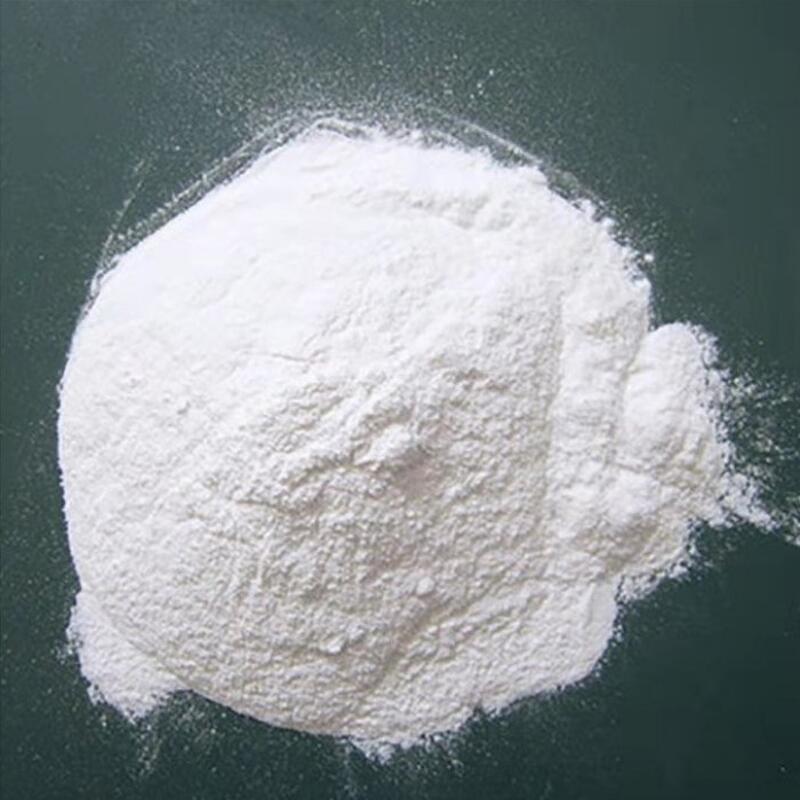
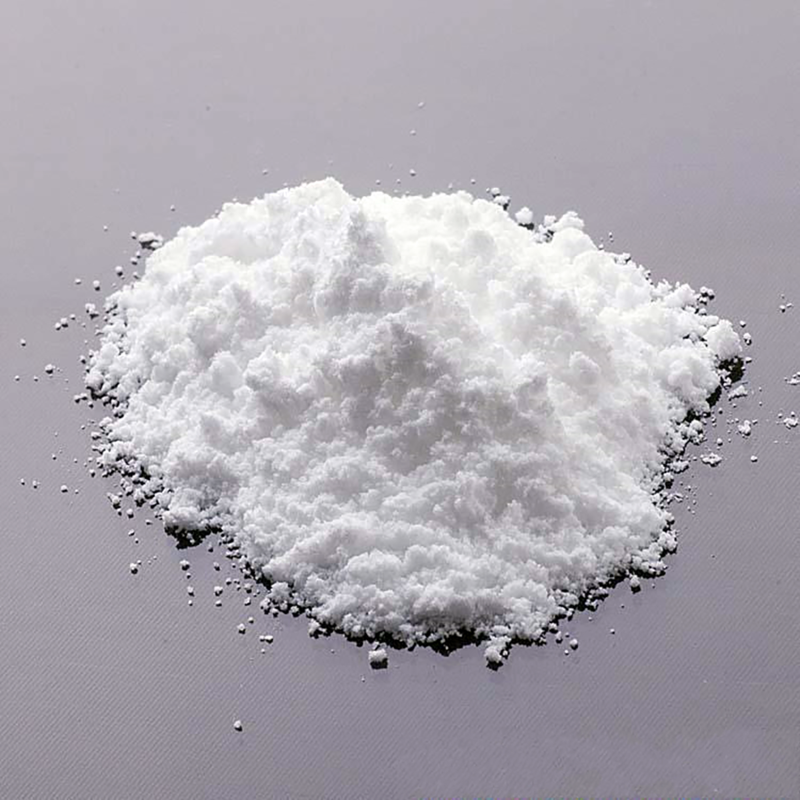
Sodium hexametaphosphate
Section 1: Chemical Product and Company Identification
Product Name: Sodium hexametaphosphate
Catalog Codes: SLS2209
CAS#: 10124-56-8 or 68915-31-1
RTECS: OY3675000
TSCA: TSCA 8(b) inventory: Sodium hexametaphosphate
CI#: Not available.
Synonym: Calgon, HMP, Medi-Calgon, SHMP; Sodium
Polyphosphates; Glassy; Sodium Polymetaphosphate;
Sodium phosphate glass; Polyphosphoric Acids, sodium
salts
Chemical Name: Metaphosphoric Acid, hexasodium salt
Chemical Formula: (NaPO3)n or (NaPO3)*6 or O18-
P6.6Na
Section 2: Hazards Identification
2.1 classification of the substance or mixture
Not a hazardous substance or mixture according to Regulation (EC) No.1272/2008.
2.2 Label elements
Not a hazardous substance or mixture according to Regulation (EC) No.1272/2008.
2.3 Other hazards-none
Section 3: Composition and Information on Ingredients
Composition:
Name CAS # % by Weight
Sodium hexametaphosphate 10124-56-8 or 100
68915-31-1
Toxicological Data on Ingredients: Sodium hexametaphosphate: ORAL (LD50): Acute: 6200 mg/kg [Rat]. 4320 mg/kg
[Mouse]. 3053 mg/kg [Rat].
Section 4: First Aid Measures
Eye Contact:
Check for and remove any contact lenses. In case of contact, immediately flush eyes with plenty of water for at least 15
minutes. Cold water may be used. Get medical attention.
Skin Contact:
Wash with soap and water. Cover the irritated skin with an emollient. Get medical attention if irritation develops. Cold water
may be used.
Serious Skin Contact: Not available.
Inhalation:
If inhaled, remove to fresh air. If not breathing, give artificial respiration. If breathing is difficult, give oxygen. Get medical
attention.
Serious Inhalation: Not available.
Ingestion:
Do NOT induce vomiting unless directed to do so by medical personnel. Never give anything by mouth to an unconscious
person. Loosen tight clothing such as a collar, tie, belt or waistband. Get medical attention if symptoms appear.
Serious Ingestion: Not available.
Section 5: Fire and Explosion Data
Flammability of the Product: Non-flammable.
Auto-Ignition Temperature: Not applicable.
Flash Points: Not applicable.
Flammable Limits: Not applicable.
Products of Combustion: Not available.
Fire Hazards in Presence of Various Substances: Not applicable.
Explosion Hazards in Presence of Various Substances:
Risks of explosion of the product in presence of mechanical impact: Not available. Risks of explosion of the product in
presence of static discharge: Not available.
Fire Fighting Media and Instructions: Not applicable.
Special Remarks on Fire Hazards:
When heated to decomposition it emits highly toxic fumes of ohosphoxides and Na2O. Behavior in a fire: It may melt with loss
of steam.
Special Remarks on Explosion Hazards: Not available.
Section 6: Accidental Release Measures
Small Spill:
Use appropriate tools to put the spilled solid in a convenient waste disposal container. Finish cleaning by spreading water on
the contaminated surface and dispose of according to local and regional authority requirements.
Large Spill:
Use a shovel to put the material into a convenient waste disposal container. Finish cleaning by spreading water on the
contaminated surface and allow to evacuate through the sanitary system.
Section 7: Handling and Storage
Precautions:
Do not ingest. Do not breathe dust. Avoid contact with eyes. Wear suitable protective clothing. If ingested, seek medical advice
immediately and show the container or the label. Keep away from incompatibles such as oxidizing agents, acids.
Storage: Keep container tightly closed. Keep container in a cool, well-ventilated area.
Section 8: Exposure Controls/Personal Protection
Engineering Controls:
Use process enclosures, local exhaust ventilation, or other engineering controls to keep airborne levels below recommended
exposure limits. If user operations generate dust, fume or mist, use ventilation to keep exposure to airborne contaminants
below the exposure limit.
Personal Protection:
Splash goggles. Lab coat. Dust respirator. Be sure to use an approved/certified respirator or equivalent. Gloves.
Personal Protection in Case of a Large Spill:
Splash goggles. Full suit. Dust respirator. Boots. Gloves. A self contained breathing apparatus should be used to avoid
inhalation of the product. Suggested protective clothing might not be sufficient; consult a specialist BEFORE handling this
product.
Exposure Limits: Not available.
Section 9: Physical and Chemical Properties
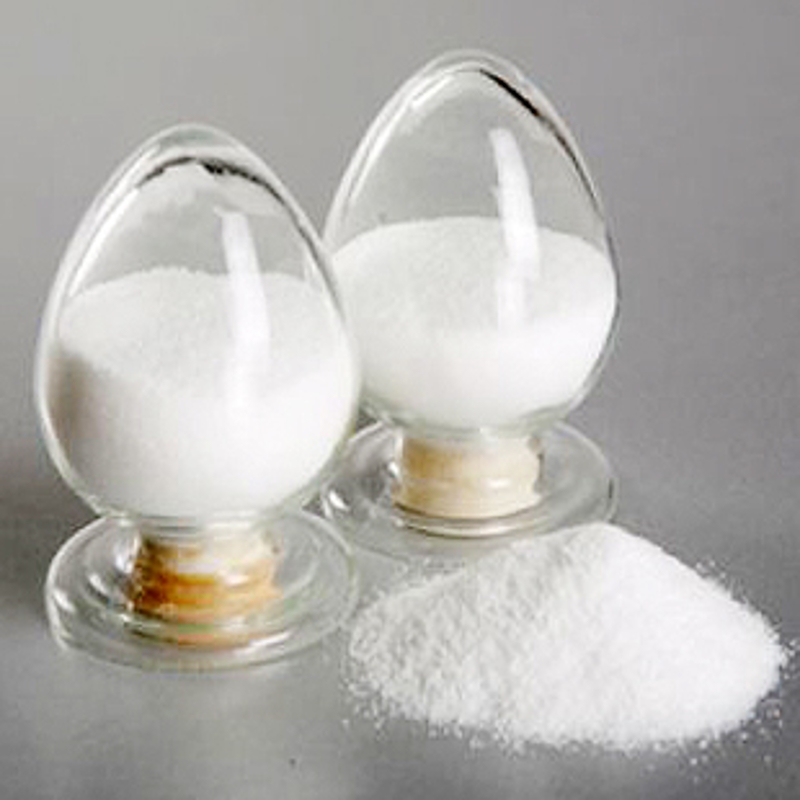
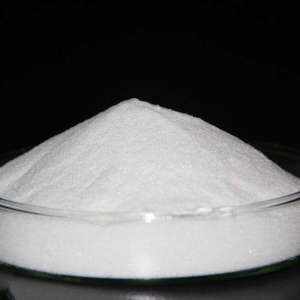
Physical state and appearance: Solid. (Crystals solid.)
Odor: Odorless.
Taste: Not available.
Molecular Weight: (101.96)*6 or 611.52 g/mole
Color: White.
pH (1% soln/water): 7 [Neutral.]
Boiling Point: 1500°C (2732°F)
Melting Point: 550°C (1022°F)
Critical Temperature: Not available.
Specific Gravity: Density: 1.25 (Water = 1)
Vapor Pressure: Not applicable.
Vapor Density: Not available.
Volatility: Not available.
Odor Threshold: Not available.
Water/Oil Dist. Coeff.: Not available.
Ionicity (in Water): Not available.
Dispersion Properties: See solubility in water.
Solubility:
Easily soluble in cold water, hot water. Soluble in water, but it dissolves slowly. Depolymerizes in aqueous solutions to form
sodium trimetaphosphate and sodium orthophosphates. Insoluble in organic solvents.
Section 10: Stability and Reactivity Data
Stability: The product is stable.
Instability Temperature: Not available.
Conditions of Instability: Incompatible materials
Incompatibility with various substances: Reactive with oxidizing agents.
Corrosivity: Slightly corrosive in presence of steel.
Special Remarks on Reactivity: Hygroscopic; keep container tightly closed.
Special Remarks on Corrosivity: Not available.
Polymerization: Will not occur.
Section 11: Toxicological Information
Routes of Entry: Inhalation. Ingestion.
Toxicity to Animals: Acute oral toxicity (LD50): 3053 mg/kg [Rat].
Chronic Effects on Humans: Not available.
Other Toxic Effects on Humans:
Hazardous in case of ingestion. Slightly hazardous in case of skin contact (irritant, sensitizer), of inhalation.
Special Remarks on Toxicity to Animals: Not available.
Special Remarks on Chronic Effects on Humans: Not available.
Special Remarks on other Toxic Effects on Humans:
Potential Health Effects: Skin: May cause skin irritation. Eyes: Causes eye irritation. Inhalation: May cause respiratory tract
irritation. Symptoms may include coughing and shortness of breath. Ingestion: Phosphates are slowly and incompletely
absorbed when ingested, and seldom result in systemic effects. However, such effects have occurred. May cause
gastrointestinal tract irritation with nausea, vomiting, and diarrhea. May affect behavior/central nervous system/peripherial
nervous system (somnolence, convulsions, lethargy, flaccid paralysis), urinary system (kidneys- renal failure, acute tubular
necrosis). It may also cause heart disturbances (fall in blood pressure, slow pulse) and blood chemistry effects (reduction
of serum level of calcium). The toxicity of phosphates is because of their ability to sequester calcium. Systemic metabolic
acidosis may result as this material is believed to be hydrolyzed to ortho phosphates when ingested (before absorption).
Tetany may also occur as a result of reduction in serum level of ionic calcium.
Section 12: Ecological Information
Ecotoxicity: Not available.
BOD5 and COD: Not available.
Products of Biodegradation:
Possibly hazardous short term degradation products are not likely. However, long term degradation products may arise.
Toxicity of the Products of Biodegradation: The product itself and its products of degradation are not toxic.
Special Remarks on the Products of Biodegradation: Not available.
Section 13: Disposal Considerations
Waste Disposal:
Waste must be disposed of in accordance with federal, state and local environmental control regulations.
Section 14: Transport Information
DOT Classification:DOT controlled material (United States).
Identification:applicable.
Special Provisions for Transport:applicable.
Section 15: Other Regulatory Information
Federal and State Regulations:
Pennsylvania RTK: Sodium hexametaphosphate Massachusetts RTK: Sodium hexametaphosphate New Jersey: Sodium
hexametaphosphate TSCA 8(b) inventory: Sodium hexametaphosphate
Other Regulations: EINECS: This product is on the European Inventory of Existing Commercial Chemical Substances.
Other Classifications:
WHMIS (Canada): Not controlled under WHMIS (Canada).
DSCL (EEC):
R36- Irritating to eyes. S24/25- Avoid contact with skin and eyes. S36/37/39- Wear suitable protective clothing, gloves and
eye/face protection. S45- In case of accident or if you feel unwell, seek medical advice immediately (show the label where
possible).
HMIS (U.S.A.):
Health Hazard: 2
Fire Hazard: 0
Reactivity: 0
Personal Protection: E
National Fire Protection Association (U.S.A.):
Health: 2
Flammability: 0
Reactivity: 0
Specific hazard:
Protective Equipment:
Gloves. Lab coat. Dust respirator. Be sure to use an approved/certified respirator or equivalent. Splash goggles.
Section 16: Other Information
References: -Hawley, G.G.. The Condensed Chemical Dictionary, 11e ed., New York N.Y., Van Nostrand Reinold, 1987.
Other Special Considerations: Not available.
Created: 10/09/2005 06:32 PM
Last Updated: 11/01/2018 12:00 PM
The information above is believed to be accurate and represents the best information currently available to us. However, we
make no warranty of merchantability or any other warranty, express or implied, with respect to such information, and we assume
no liability resulting from its use. Users should make their own investigations to determine the suitability of the information for
their particular purposes. In no event shall ScienceLab.com be liable for any claims, losses, or damages of any third party or for
lost profits or any special, indirect, incidental, consequential or exemplary damages, howsoever arising, even if ScienceLab.com
has been advised of the possibility of such damages.