Section 2 Hazards Identification |
2.1 Classification of the substance or mixture:
2.1.1 Classification:
The mixture is classified as following according to REGULATION (EC) No 1272/2008:
REGULATION (EC) No 1272/2008 |
Hazard classes/Hazard categories | Hazard statement |
Eye dam.1 | H318 |
For full text of H- phrases: see section 2.2.
2.2 label elements:
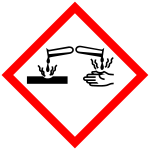
Hazard Pictograms:
Signal Word(S):
Hazard Statement:
Precautionary statement:
2.3 Other hazards:
Not applicable.
![Shop APG 0810H70N-Detailed Image 2]()
Danger
H318: Causes serious eye damage.
P280: Wear protective gloves/protective clothing/eye protection/face protection. P305 + P351 + P338 IF IN EYES: Rinse cautiously with water for several
minutes. Remove contact lenses, if present and easy to do. Continue rinsing. P310: Immediately call a POISON CENTER or doctor/physician.
Section 3 Composition/information on ingredients |
Substance/Mixture:
Ingredient(s):
Mixture
Chemical Name | Registration No. | CAS No. | EC No. | Concentration | Classification |
D-Glucopyranose, oligomers, decyl octyl glycosides | 01-21194885 30-36-XXXX | 68515-73-1 | 500-220-1 | 68.0-72.0% | Eye Damage 1; H318 |
Water | N/A | 7732-18-5 | 231-791-2 | 28.0-32.0% | Not classified |
Section 4 First aid measures |
4.1 Description of first aid measures:
In all cases of doubt, or when symptoms persist, seek medical attention.
4.1.1 In case of inhalation:
Not relevant.
4.1.2 In case of skin contact:
Rinse with running water, get medical aid.
4.1.3 In case of eyes contact:
Rinse immediately with plenty of running water (for 10 minutes), seek medical advice from a specialist.
4.1.4 In case of ingestion:
Rinse the mouth. Drink 1-2 glasses of water, get medical aid.
4.2 Most important symptoms and effects, both acute and delayed:
Causes serious eye damage.
4.3 Indication of any immediate medical attention and special treatment needed:
If skin irritation or rash occurs, get medical advice/attention.
Section 5 Firefighting measures |
5.1 Extinguishing media:
Suitable extinguishing media:
Unsuitable extinguishing media:
5.2 Special hazards arising from the
Water spray, carbon dioxide, dry chemical powder or appropriate foam. Not available.
Combustion Produce: Carbon monoxide, carbon dioxide.
substance or mixture
5.3 Advice for firefighters:
Wear self-contained breathing apparatus (positive pressure, if available) and full protective clothing.
Section 6 Accidental release measures |
6.1 Personal precautions, protective equipment and emergency procedures:
6.1.1 For non-emergency personnel: | Use personal protective equipment. Keep people away from and upwind of spill/leak. Entry to non-involved personnel should be controlled around the leakage area by roping off, etc. |
6.1.2 For emergency responders: | Wear an appropriate NIOSH/MSHA approved respirator if mist, vapor or dust is generated. |
6.2 Environmental Precautions: | Do not allow material to be released to the environment without proper |
governmental permits
6.3 Methods and material for Containment Absorb on sand or vermiculite and place in closed containers for disposal.
and Cleaning up: Ventilate area and wash spill site after material pickup is complete.
6.4 Reference to other sections: See Section 7 for information on safe handling.
See Section 8 for information on personal protection equipment.
See Section 13 for information on disposal.
Section 7 Handling and storage |
7.1 Precautions for safe handling:
7.1.1 Protective measures:
7.1.2 Advice on general occupational hygiene:
7.2 Conditions for safe storage, including any incompatibilities:
7.3 Specific end use(s):
Wash thoroughly after handling. Remove contaminated clothing and wash before reuse. Use with adequate ventilation. Avoid contact with eyes, skin, and clothing. Avoid ingestion and inhalation.
Do not eat, drink and smoke in work areas. Wash hands after use. Remove contaminated clothing and protective equipment before entering eating areas.
Keep container tightly closed. Store in a cool and dry place.
Not applicable.
Section 8 Exposure Controls/Personal Protection |
8.1 Control parameters:
8.1.1 Occupational exposure limits: Not available.
8.1.2 Additional exposure limits under the | Not available. |
conditions of use: |
|
8.1.3 DNEL/DMEL and PNEC-Values: | Not available. |
8.2 Exposure controls:
8.2.1Appropriate engineering controls: Facilities storing or utilizing this material should be equipped with an eyewash
facility and a safety shower. Use adequate ventilation to keep airborne concentrations low.
8.2.2 Individual protection measures, such as personal protective equipment:
Eye/face protection: Protective goggles.
Hand protection: Suitable are protective gloves with the following specification. The
recommendation is valid for laboratory conditions, specific workplace conditions must be taken into consideration separately. Nitrile / 0,1 mm / Level 3 > 60 min.
Body protection: Wear suitable protective clothing to prevent skin exposure.
Respiratory protection: Wear suitable respiratory equipment.
Thermal hazards: Wear suitable protective clothing to prevent heat.
8.2.3 Environmental exposure controls: Avoid discharge into the environment.
According to local regulations, Federal and official regulations.
Section 9 Physical and chemical properties |
9.1 Information on basic physical and chemical properties:
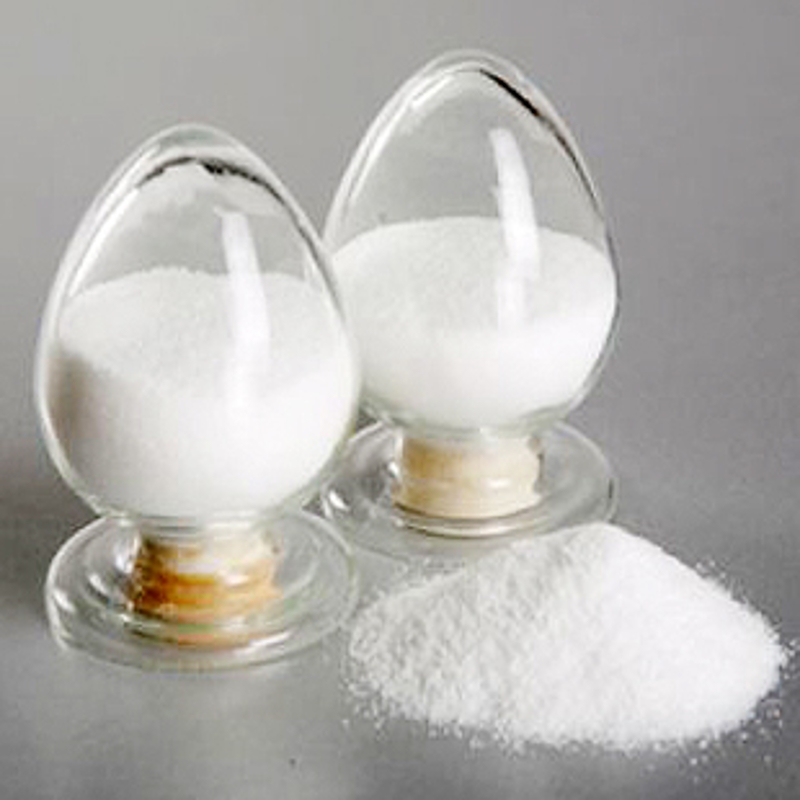
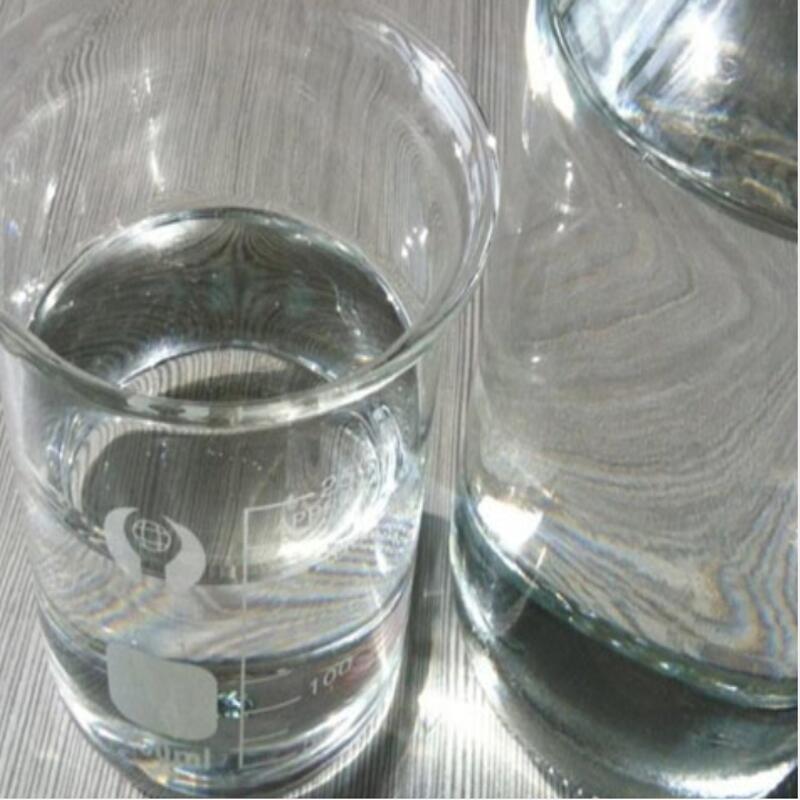
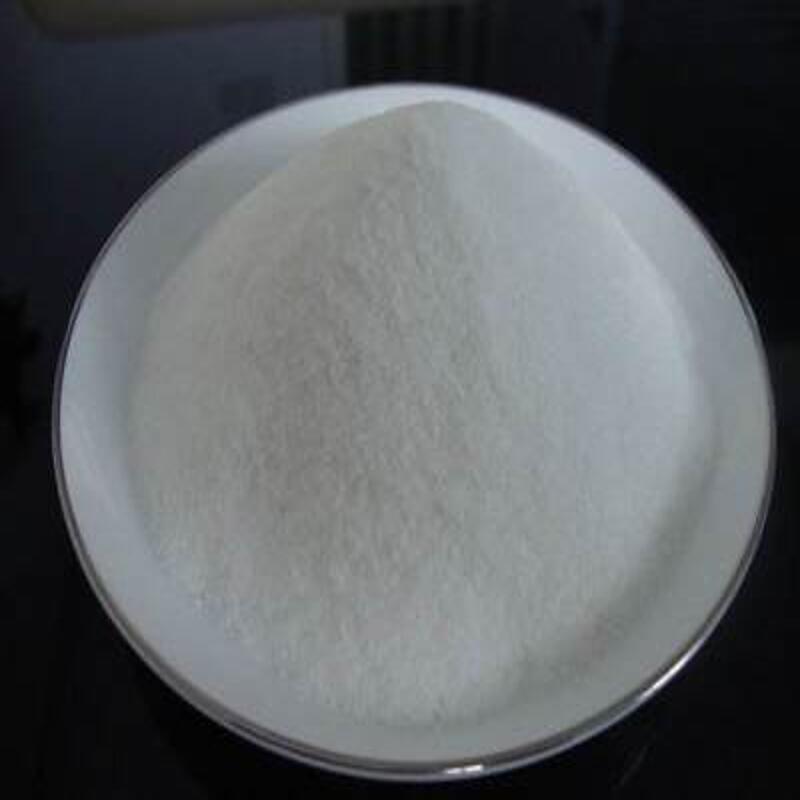
Appearance: Viscous liquid
Colour: Pale yellow
Odour: Weak odor
Odour threshold: Not available
pH: 11.5-12.5
Melting point/range (°C): Not available
Boiling point/range (°C): Not available
Flash point (°C): >70。C (closed up)
Evaporation rate: Not available
Flammability limit - lower (%): Not available
Flammability (solid, gas): Not applicable.
Ignition temperature (°C): Not available
Upper/lower explosive limits: Not available
Vapour pressure (20°C): Not available
Vapour density: Not available
Relative Density: Not available
Bulk density (kg/m3): Not available
Water solubility (g/l): Not available
n-Octanol/Water (log Po/w): Not available
Auto-ignition temperature: Not available
Decomposition temperature: Not available
Viscosity, dynamic (mPa.s, 20℃): 3500-7000
Explosive properties: Non explosive
Oxidising properties: Not oxidising
9.2. Other information:
Fat solubility(solvent-oil to be specified) | Not available |
etc: |
|
Surface tension: | Not available |
Dissociation constant in water( pKa): | Not available |
Oxidation-reduction Potential: | Not available |
Section 10 Stability and reactivity |
10.1 Reactivity: | The substance is stable under normal storage and handling conditions. |
10.2 Chemical stability: | Stable at room temperature in closed containers under normal storage and handling conditions. |
10.3 Possibility of hazardous reactions: | No dangerous reactions known. |
10.4 Conditions to avoid: | Incompatible materials. Protect from moisture. |
10.5 Incompatible materials: | Oxidants. |
10.6 Hazardous decomposition products: | Carbon monoxide, carbon dioxide. |
Section 11 Toxicological information |
11.1 Information on toxicological effects:
Acute toxicity:
ATEmix(oral):
ATEmix(inhalation):
Not available
Not available
ATEmix(Dermal):
Not available
D-Glucopyranose, oligomers, decyl octyl glycosides (CAS: 68515-73-1)
LD50(Oral, Rat):
LC50(Inhalation, Rat):
LD50(Dermal, Rabbit):
Skin corrosion/Irritation:
Serious eye damage/irritation:
Respiratory or skin sensitization:
Germ cell mutagenicity:
Carcinogenicity:
Reproductive toxicity:
STOT- single exposure:
STOT-repeated exposure:
Aspiration hazard:
> 2 000 mg/kg bw
> 2000 mg/kg bw
Not available
Not classified
Causes serious eye damage.
Not classified
Not classified
Not classified
Not classified
Not classified
Not classified
Not classified
Section 12 Ecological information |
12.1 Toxicity:
D-Glucopyranose, oligomers, decyl octyl glycosides (CAS: 68515-73-1)
Acute (short-term) toxicity:
LC50(96h, Fish): | 126 mg/L |
LC50(48h, Crustacea): | > 100 mg/L |
EC50(72h, Algae/aquatic plants): | 27.22 mg/L |
Chronic (long-term) toxicity:
NOEC(Fish): 1.8 mg/L
NOEC(Crustacea): 2 mg/L
EC50(Algae/aquatic plants): | Not available |
12.2 Persistence and degradability: | Readily biodegradable. (D-Glucopyranose, oligomers, decyl octyl glycosides. |
(CAS:68515-73-1)
12.3 Bioaccumulative potential: | Not available. |
12.4 Mobility in soil: | Not available. |
12.5 Results of PBT and vPvB assessment: | Not applicable |
12.6 Other adverse effects: | Do not empty into drains. |
Section 13 Disposal considerations |
13.1 Waste treatment methods:
Chemical waste generators must determine whether a discarded chemical is classified as a hazardous waste. Additionally, waste generators must consult state and local hazardous waste regulations to ensure complete and accurate classification.
![Shop APG 0810H70N-Detailed Image 3]()
Section 14 Transport information |
| Land transport (ADR/RID) | Inland waterways (ADN) | Sea transport (IMDG) | Air transport (ICAO/IATA) |
UN number | Not regulated | Not regulated | Not regulated | Not regulated |
UN Proper shipping name | Not regulated | Not regulated | Not regulated | Not regulated |
Transport hazard Class(es) | Not regulated | Not regulated | Not regulated | Not regulated |
Packing group | Not regulated | Not regulated | Not regulated | Not regulated |
Environmental hazards | Not regulated | Not regulated | Not regulated | Not regulated |
Special precautions for user | See section 2.2 | See section 2.2 | See section 2.2 | See section 2.2 |
Transport in bulk according to Annex II of Marpol and the IBC Code |
Not regulated |
Not regulated |
Not regulated |
Not regulated |
Section 15 Regulatory information |
15.1 Safety, health and environmental regulations/legislation specific for the substance or mixture: Relevant information regarding authorization: Not applicable.
Relevant information regarding restriction: Not applicable.
Other EU regulations: Employment restrictions concerning young person must be observed.
For use only by technically qualified individuals.
Other National regulations: Not applicable
![Shop APG 0810H70N-Detailed Image 4]() 15.2 Chemical safety assessment YES NO
15.2 Chemical safety assessment YES NO
Section 16 Other information |
16.1 Indication of changes:
Version 1.0 Amended by (EU) 2015/830
16.2 Abbreviations and acronyms:
ADR: European Agreement concerning the International Carriage of Dangerous Goods by Road
RID: Regulation for rail International transportation of Dangerous goods
ADN: European Agreement concerning the International Carriage of Dangerous Goods by Inland Waterways
IMDG: Code international maritime dangerous goods code
ICAO: International Civil Aviation Organization
IATA: International Air Transport Association
LC50: median lethal concentration
EC50: The effective concentration of substance that causes 50% of the maximum response.
NOEC: No Observed Effect Concentration
DNEL:derived no-effect level
PNEC: predicted no-effect concentration
16.3 Key literature references and sources for data
ECHA Registered substances data
16.4 Classification and procedure used to derive the classification for mixtures according to Regulation (EC) 1272/2008 [CLP]
Classification according to Regulation (EC) No. 1272/2008 | Classification procedure |
Eye dam.1 | H318 | Calculation method |
16.5 Relevant H-statements (number and full text):
H318: Causes serious eye damage
16.6 Training instructions:
Not applicable.
16.7 Further information:
This information is based upon the present state of our knowledge. This SDS has been compiled and is solely intended for this product.
16.8 Notice to reader:
Employers should use this information only as a supplement to other information gathered by them, and should make
independent judgment of suitability of this information to ensure proper use and protect the health and safety of employees. This information is furnished without warranty, and any use of the product not in conformance with this Safety Data Sheet, or in
combination with any other product or process, is the responsibility of the user.







 Hongkong, China
 Russia
 Malaysia
 South Korea
 United Kingdom
 Kampuchea (Cambodia )
 United Arab Emirates
 Canada
 India
India
 United States